






What's Happening?
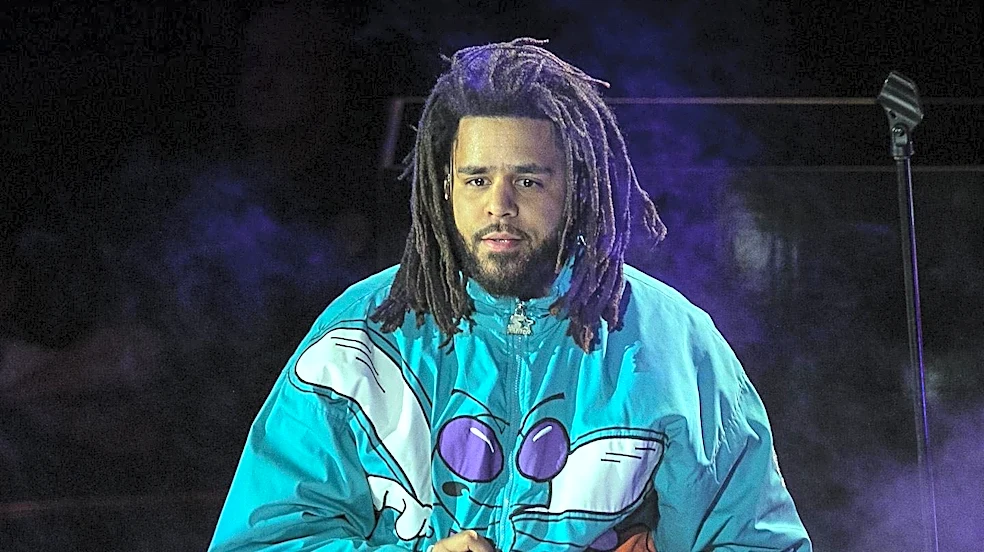
Rapper 50 Cent has publicly stated his belief that J. Cole suffered the most significant loss by withdrawing from the lyrical conflict between Kendrick Lamar and Drake in 2024. Speaking on 'The Crew Has It' podcast, 50 Cent argued that competition is a fundamental
aspect of hip-hop culture, and opting out constitutes a mistake. J. Cole initially released '7 Minute Drill,' a diss track aimed at Kendrick Lamar, on his project 'Might Delete Later.' However, days later, Cole publicly apologized for the track at his Dreamville Festival, calling it 'the lamest shit' he had ever done, and subsequently removed it from streaming services. Cole later explained in an Apple Music interview that his decision to apologize was deeply personal, causing his wife to cry due to the emotional toll it took on him, and affirmed his 'genuine love' for both Lamar and Drake.
Why It's Important?
This commentary from 50 Cent highlights differing perspectives within the hip-hop community regarding the role of competition and conflict. While some artists and fans view lyrical battles as essential to the genre's vitality and a measure of an artist's prowess, J. Cole's decision to withdraw and apologize represents a more introspective and perhaps unconventional approach. His actions challenge the traditional 'battle rap' ethos, suggesting a prioritization of personal integrity and respect over competitive aggression. This event sparks a broader conversation about the evolution of hip-hop culture, the pressures artists face to engage in feuds, and the potential for artists to define their own terms of engagement, even if it means going against established norms. It also underscores the personal toll that public feuds can take on artists and their relationships.
What's Next?
The debate over J. Cole's decision is likely to continue within hip-hop circles, with fans and other artists weighing in on whether his move was a sign of weakness or strength. While Cole has expressed his genuine affection for both Lamar and Drake, his withdrawal from the feud may influence how future lyrical conflicts unfold, potentially encouraging other artists to consider the personal and professional implications of engaging in such battles. This situation could also lead to further discussions about the role of 'beef' in hip-hop, whether it remains a necessary component for artistic growth and relevance, or if the culture is evolving towards different forms of competition and expression. J. Cole's career trajectory will be observed to see if 50 Cent's assessment of a 'loss' holds long-term validity.
Beyond the Headlines
J. Cole's withdrawal from the Kendrick Lamar-Drake feud and subsequent apology delves into the complex interplay between artistic expression, public persona, and personal values. His decision to retract a diss track, a rare move in hip-hop, could be interpreted as a powerful statement against the often-performative nature of rap beefs, prioritizing authenticity and emotional well-being over maintaining a 'tough' image. This act might inspire a re-evaluation of what constitutes 'winning' or 'losing' in hip-hop conflicts, shifting the focus from purely lyrical dominance to broader considerations of artistic integrity and mental health. It also highlights the significant influence of personal relationships and internal struggles on an artist's public actions, revealing the human element behind the competitive facade of the music industry.