




What's Happening?
Hyundai Motor America has announced upcoming changes to its new vehicle lineup for the 2027 model year. Concurrently, Hyundai Motor Group is partnering with U.S. software provider WeaveGrid to integrate smart charging and future vehicle-to-grid (V2G)
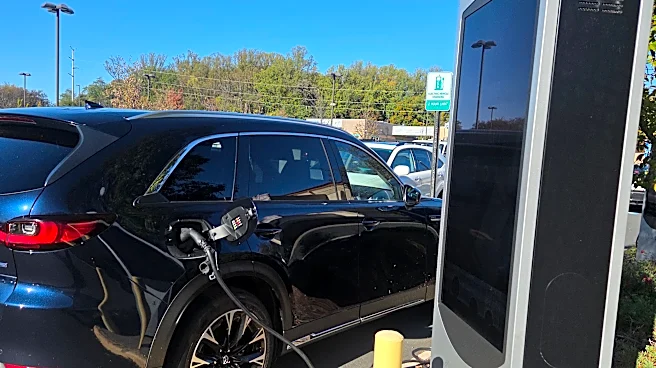
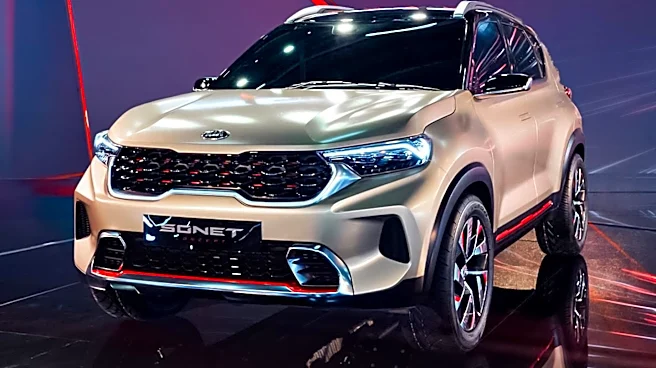
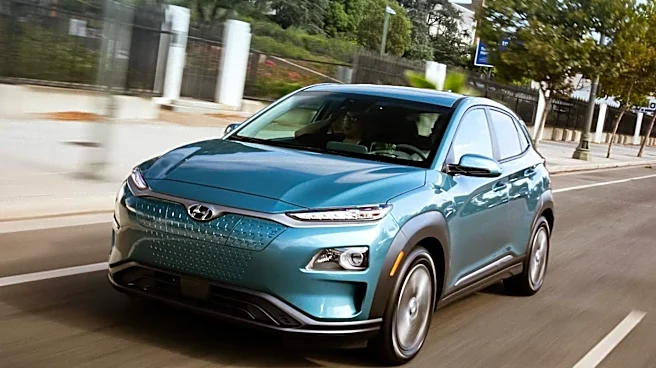
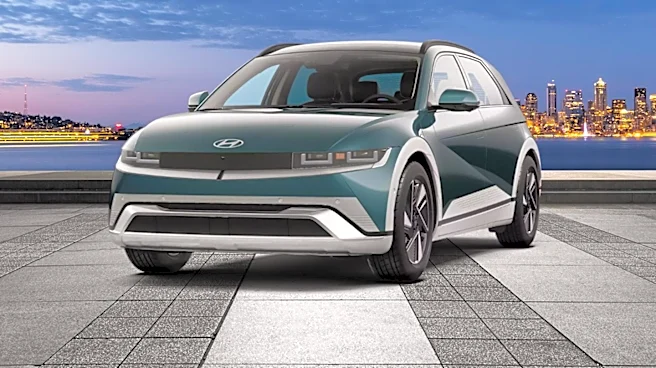
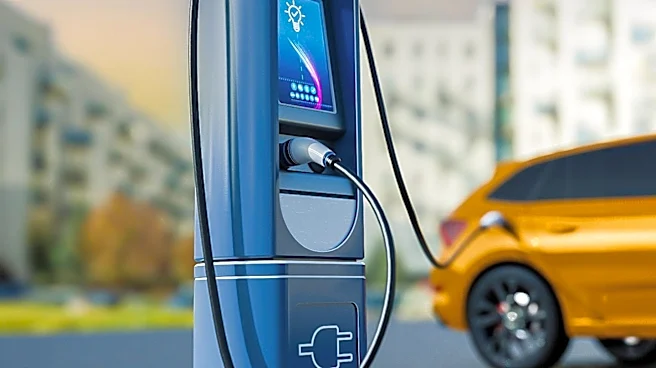
capabilities into its electric vehicles in North America. This collaboration will allow Hyundai and Kia drivers to manage EV charging times through the myHyundai and Kia Access smartphone apps, optimizing for lower electricity rates and reduced local grid load. The initial phase focuses on smart charging management, with plans to expand to full V2G services once the necessary bidirectional hardware, grid connection rules, and utility tariffs are established. Most of Hyundai and Kia’s North American EVs, built on the Electric-Global Modular Platform (E-GMP), already support two-way power transfer, enabling features like vehicle-to-load (V2L) and home backup power in models such as the Hyundai Ioniq 5 and Kia EV9.
Why It's Important?
This partnership is significant for the U.S. electric vehicle market and energy infrastructure. By enabling smart charging, Hyundai and WeaveGrid aim to make EV ownership more cost-effective for consumers by shifting charging to off-peak hours. This also benefits utility companies by helping to manage the increasing load on power grids due to EV adoption, ensuring grid reliability and affordability. The future integration of V2G technology could revolutionize how EVs interact with the energy ecosystem, allowing vehicle owners to earn compensation by discharging electricity back into the grid and providing utilities with crucial battery capacity to prevent overloads. This initiative positions Hyundai Motor Group as a leader in bidirectional charging technology, offering a streamlined experience for drivers and a clear path toward a more integrated and resilient energy system.
What's Next?
The collaboration will proceed in phases, starting with the implementation of smart charging management within the myHyundai and Kia Access apps. This will allow drivers to enroll in regional smart charging programs offered by their local electricity providers. The subsequent phase involves expanding the platform to include full V2G services. This expansion is contingent on the development and deployment of bidirectional hardware, the establishment of clear grid connection rules, and the introduction of appropriate utility tariffs. As these elements fall into place, Hyundai and Kia EV owners will gain the ability to discharge power from their vehicle batteries back into the public grid, potentially receiving financial compensation and contributing to grid stability. WeaveGrid has already expanded its U.S. market reach, now serving utilities that cover over 50% of the country's EVs, indicating a growing infrastructure for these services.
Beyond the Headlines
This initiative represents a deeper shift towards viewing electric vehicles not just as transportation but as integral components of a broader energy ecosystem. The move towards V2G capabilities highlights the potential for EVs to become distributed energy resources, offering flexibility and resilience to the power grid. This could lead to new business models for EV owners and utilities, fostering a more dynamic and interactive energy market. Furthermore, the standardization of battery and charging data across different vehicle models, while maintaining data privacy and vehicle security, is crucial for the widespread adoption and effective management of these advanced energy services. This partnership could also influence regulatory frameworks and policy discussions around grid integration, energy storage, and the role of consumer-owned assets in national energy security.