
What's Happening?
Marvel Studios has departed from its long-standing formula by using a television series, 'VisionQuest,' to directly set up its upcoming major film, 'Avengers: Doomsday.' This marks the first time in Marvel's history, spanning back to 1986 with 'Howard
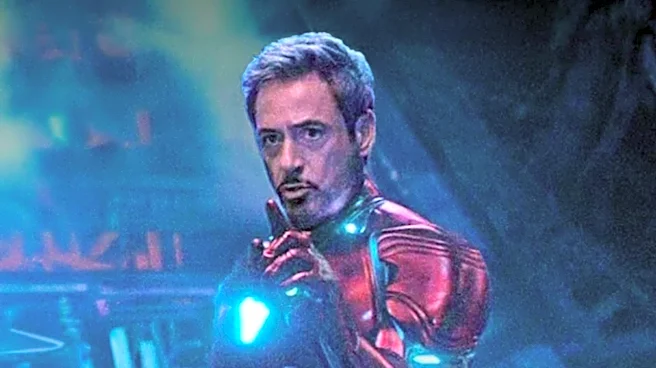
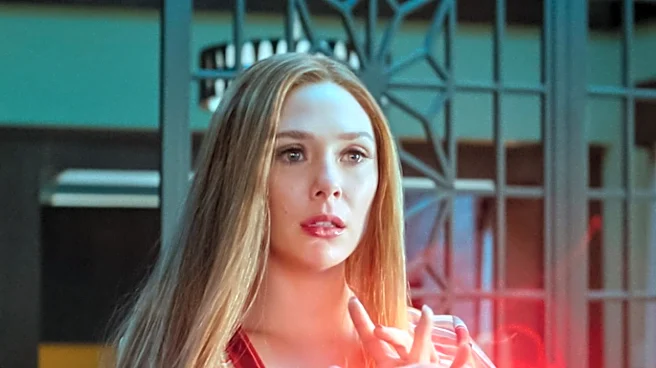
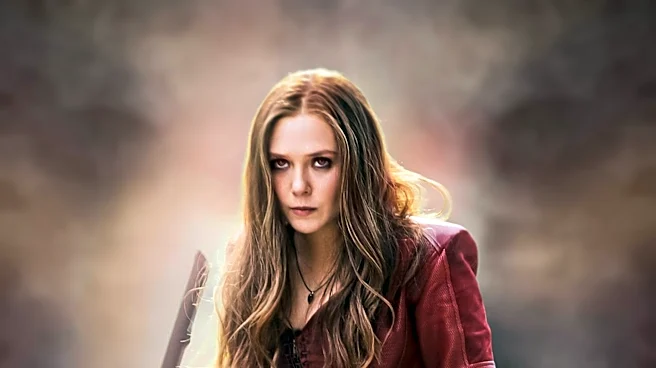
the Duck,' that a movie's groundwork has been laid by a TV series. The post-credits scene of 'VisionQuest' featured cameos from Robert Downey Jr. and Elizabeth Olsen, with Doctor Doom capturing Wanda Maximoff (Scarlet Witch) after her apparent demise in 'Doctor Strange in the Multiverse of Madness.' Doom explicitly states his intention to use her power. This move signifies a strategic shift for Marvel, which traditionally used post-credits scenes and minor teases within other films to build anticipation for future cinematic releases. The return of Scarlet Witch, a popular character, is expected to generate significant interest and drive ticket sales for 'Avengers: Doomsday.'
Why It's Important?
This strategic shift by Marvel Studios holds significant implications for the entertainment industry, particularly in how major cinematic universes are constructed and marketed. By leveraging a streaming series to advance a major film's plot, Marvel is blurring the lines between television and film narratives, potentially increasing the importance of its Disney+ content. This could lead to higher subscriber engagement for the streaming platform as viewers feel compelled to watch TV series to understand the broader cinematic narrative. The return of beloved characters like Scarlet Witch through this method is a calculated move to re-engage fans who might have disengaged after her perceived death, ensuring a larger audience for 'Avengers: Doomsday.' This approach could also influence other studios to integrate their streaming and film divisions more closely, creating a more interconnected and interdependent media landscape.
What's Next?
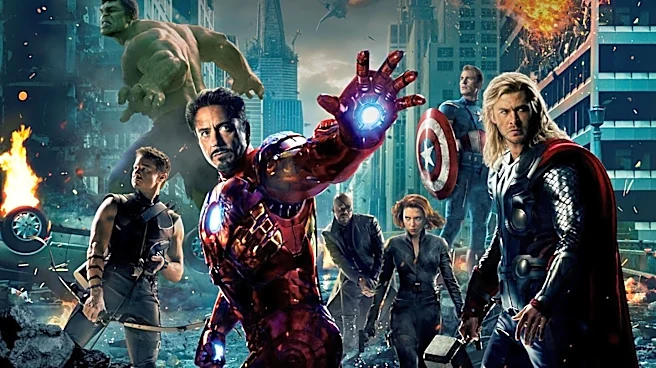
The immediate next step will be the release of 'Avengers: Doomsday,' where the implications of Scarlet Witch's capture by Doctor Doom will unfold. Fans will be eager to see her role, whether as an antagonist, a power source for Doom's plans to create Battleworld, or potentially a double agent for the heroes. This new narrative approach suggests that future Marvel Cinematic Universe (MCU) films may increasingly rely on preceding Disney+ series for crucial plot developments, making these shows essential viewing for understanding the overarching story. This could lead to a more integrated release schedule between films and series, with TV shows potentially serving as direct prequels or essential bridges to major cinematic events. The success of this strategy with 'Avengers: Doomsday' will likely dictate how Marvel and other studios approach cross-platform storytelling in the future.
Beyond the Headlines
This move by Marvel Studios could signal a deeper evolution in how serialized storytelling is consumed and produced in the digital age. By making a TV series integral to a major film's plot, Marvel is effectively creating a more demanding viewing experience, where casual viewers might miss critical narrative beats if they don't follow all content across platforms. This could lead to a more dedicated, but potentially smaller, core audience that consumes all MCU content. Ethically, it raises questions about accessibility for viewers who may not subscribe to Disney+ or have the time to watch all related series. Legally, it reinforces the value of intellectual property across different media formats, potentially influencing licensing and distribution strategies. Culturally, it further solidifies the trend of interconnected narratives, where a single story spans multiple forms of media, reflecting a broader shift in how audiences engage with complex fictional universes.