









What's Happening?
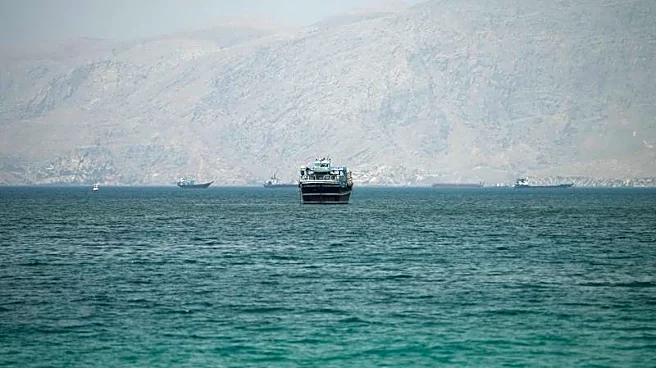
Phillips 66 CEO Mark Lashier has indicated that crude supply disruptions through the Strait of Hormuz may persist due to ongoing shipping uncertainties. Despite a limited resumption of traffic, significant volumes of crude remain trapped, and the process
of clearing these supplies is expected to be gradual. Lashier highlighted the efficient market response to the disruption, which prevented crude prices from soaring to extreme levels. Phillips 66 has managed to maintain high refinery operations by utilizing North American crude and leveraging Jones Act waivers to transport products domestically.
Why It's Important?
The Strait of Hormuz is a critical chokepoint for global oil supplies, and any prolonged disruption can have significant implications for global energy markets. The uncertainty surrounding shipping activities in the region underscores the vulnerability of global supply chains to geopolitical tensions. For U.S. refiners like Phillips 66, the ability to adapt to such disruptions is crucial for maintaining operations and managing costs. The situation also highlights the importance of strategic reserves and domestic energy production in mitigating the impact of international supply shocks.
What's Next?
As the situation in the Strait of Hormuz evolves, energy companies and governments will continue to monitor developments closely. The potential for further disruptions remains, and companies may need to explore alternative supply routes and sources to ensure continuity. Additionally, the geopolitical landscape in the Middle East will be a key factor in determining the stability of oil flows through the strait. The industry may also see increased investment in infrastructure and technology to enhance resilience against future disruptions.