





What's Happening?
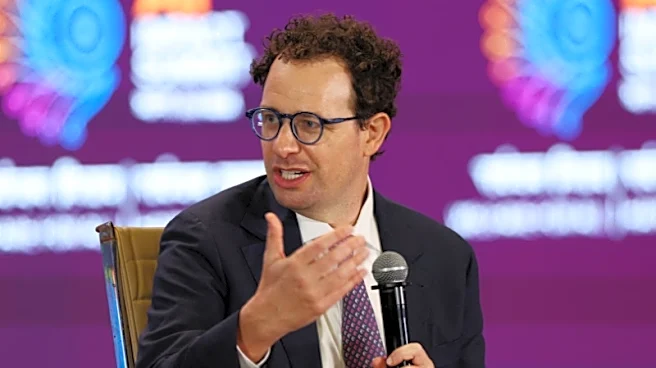
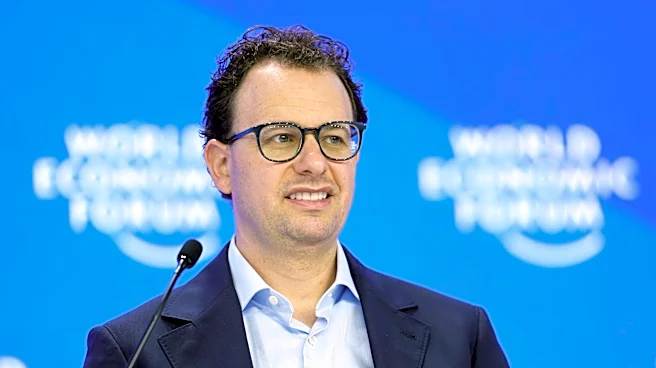
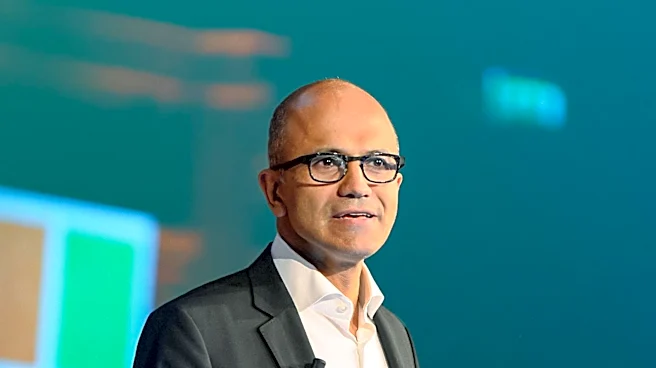
Mustafa Suleyman, CEO of Microsoft AI, recently discussed the critical importance of control and safety in the development of artificial intelligence. During an appearance on 'Squawk Box,' Suleyman addressed growing concerns about AI, stating that humanity
"should not create something that we can't control." His remarks covered Microsoft AI's code of conduct for AI models, the broader implications of AI safety, and the question of product liability for AI companies. Suleyman's comments highlight a proactive stance from Microsoft on ensuring that AI development is guided by principles that prioritize human oversight and the ability to manage the technology's evolution, reflecting a broader industry and societal dialogue around the responsible advancement of AI.
Why It's Important?
Mustafa Suleyman's statements are highly significant for the U.S. technology industry and public policy, as they come from the leader of a major AI division within one of the world's largest tech companies. His emphasis on not creating uncontrollable AI underscores a growing recognition within the industry of the potential risks associated with advanced artificial intelligence. This perspective could influence Microsoft's internal AI development practices, leading to more robust safety protocols, ethical guidelines, and transparency measures. Furthermore, such high-profile comments from an industry leader can shape the national conversation around AI regulation, potentially encouraging lawmakers to consider stricter oversight and liability frameworks for AI products. This focus on control and safety is crucial for building public trust in AI technologies, which is essential for their widespread adoption and integration into various sectors of the U.S. economy and society.
What's Next?
Following Mustafa Suleyman's remarks, it is anticipated that Microsoft AI will continue to prioritize and potentially enhance its internal code of conduct and safety measures for AI model development. This could involve further investment in research dedicated to AI alignment, interpretability, and robust control mechanisms. His comments may also contribute to ongoing discussions among U.S. policymakers, industry leaders, and academic experts regarding the establishment of comprehensive AI safety standards and regulatory frameworks. The issue of product liability for AI companies, which Suleyman touched upon, is likely to become a more prominent topic in legal and legislative debates, potentially leading to new legal precedents or guidelines for AI developers and deployers in the U.S. The broader tech community will likely observe Microsoft's actions as a benchmark for responsible AI development.
Beyond the Headlines
Suleyman's assertion that humanity should not create something it cannot control delves into the profound ethical and existential questions surrounding advanced AI. This perspective moves beyond mere technical challenges to address the fundamental societal implications of creating intelligent systems that could potentially operate autonomously. It highlights the long-term shift in how technology leaders view their responsibility, moving from purely innovation-driven goals to a more holistic consideration of societal impact and safety. This ethical stance could foster a culture of caution and foresight within the AI development community in the U.S., encouraging a more interdisciplinary approach that integrates ethics, philosophy, and social sciences into AI research and development. Ultimately, this could shape the very nature of future AI, ensuring it remains a tool for human betterment rather than a source of unforeseen risks.