



What's Happening?
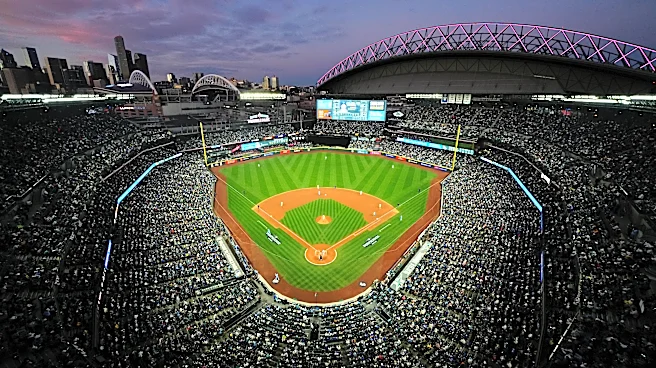
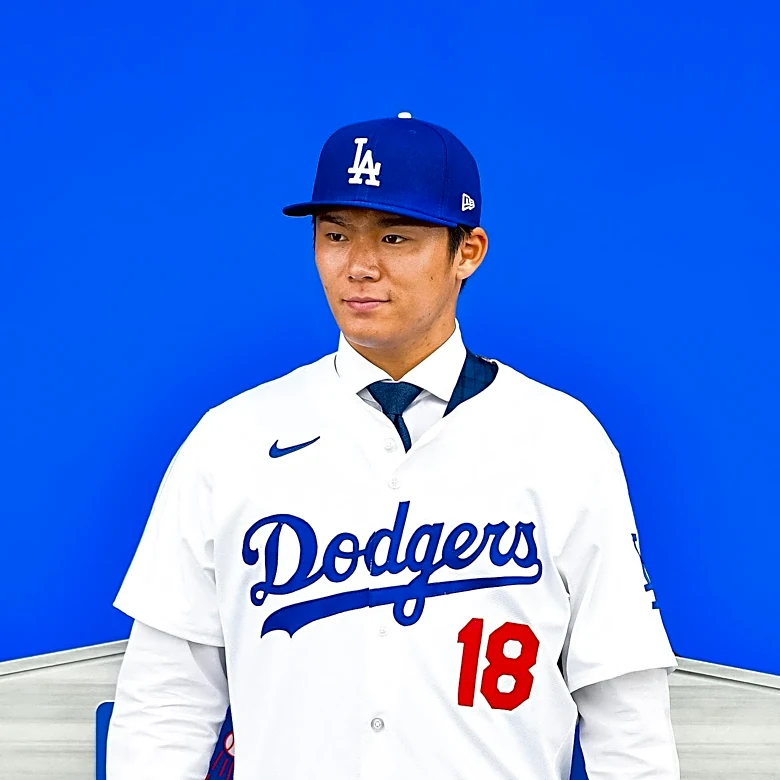
The 2026 MLB trade deadline saw a flurry of activity as teams made significant moves to bolster their rosters for the postseason. The Los Angeles Dodgers, already strong contenders, acquired Cy Young winner Tarik Skubal, further solidifying their position
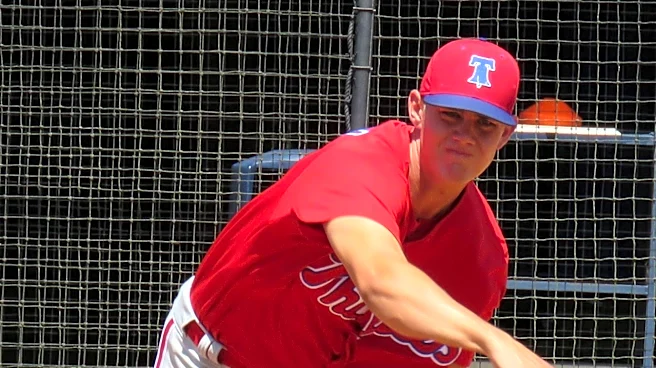
as favorites. The Philadelphia Phillies made a notable acquisition of three-time batting champion Luis Arraez, while the San Diego Padres added pitcher Robbie Ray. The Chicago Cubs were active, acquiring several players, including Clay Holmes and Braxton Garrett. The Milwaukee Brewers strengthened their bullpen with the addition of Dustin May and JoJo Romero from the St. Louis Cardinals.
Why It's Important?
These trades highlight the strategic maneuvers teams make to enhance their competitiveness as the postseason approaches. For teams like the Dodgers and Phillies, acquiring top talent is crucial for maintaining their edge and increasing their chances of success. The trade deadline also reflects broader trends in MLB, where teams balance immediate needs with long-term development. The movement of high-profile players can significantly impact team dynamics and league standings, influencing the competitive landscape. These trades also underscore the financial and strategic considerations teams must navigate to achieve their goals.
What's Next?
As the MLB season progresses, teams will focus on integrating new players and optimizing their lineups for the postseason. The effectiveness of these trades will be closely monitored, with fans and analysts assessing their impact on team performance. The Dodgers, Phillies, and other active teams will aim to capitalize on their acquisitions to secure playoff positions and potentially championship titles. The trade deadline's outcomes will also influence future strategies, as teams evaluate the success of their moves and plan for upcoming seasons. The dynamic nature of MLB trades will continue to shape the league's competitive environment.