





What's Happening?
Social media platforms, particularly Instagram, are experiencing a surge in short-form scripted sitcoms, marking a new era for comedy content. Shows like 'Brooklyn Coffee Shop' and 'The Ick' are gaining millions of views by reinventing traditional sitcom banter
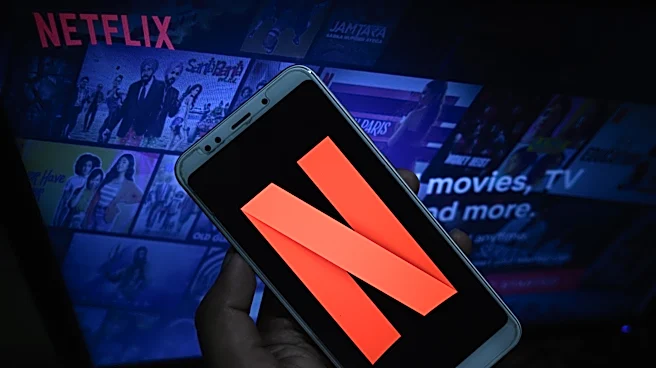
for vertical video formats. This trend is driven by creators trained by TikTok algorithms, who are producing content that resonates with audiences seeking lighthearted entertainment amidst a deluge of AI-generated content and ads. Producer Jon Stahl's analysis indicates that 34 scripted short-form shows on Instagram have collectively garnered over 1.4 billion views since 2023, with the number of episodes tripling from 44 in October 2025 to 136 in October 2026. This shift is part of a broader 'cable-ification' of social media, where creators are expanding into genres traditionally dominated by cable television, including late-night shows, talk shows, and reality TV. Streaming companies like Tubi and Netflix are actively engaging with this trend, partnering with TikTok creators and debuting new sitcoms that originated as web series, signaling a significant industry shift towards these new content pipelines.
Why It's Important?
This evolution of social media into a primary platform for scripted sitcoms holds significant implications for the entertainment industry, creators, and advertisers. For creators, it offers new avenues for showcasing talent and building an audience, potentially leading to 'Hollywood opportunities' as talent management firms like Underscore Talent assist in developing shows and securing deals with studios. The format also serves as a 'new pilot model' for comedy TV shows, allowing creators to prove audience demand for specific intellectual property and characters at a lower cost before seeking larger investments. For advertisers, this trend presents a fertile ground for brand partnerships, with deals ranging from $10,000 to six figures for larger shows and more extensive deliverables. Brands are also developing their own in-house branded shows, recognizing the potential to capture audience attention on these platforms. This shift challenges traditional television production models and distribution channels, forcing established media companies to adapt to the preferences of a new generation of viewers who consume content in short, digestible formats on their mobile devices.
What's Next?
The immediate future will likely see continued growth in the production and consumption of short-form scripted sitcoms across social media platforms. Streaming services are expected to deepen their collaborations with social media creators and platforms, potentially leading to more exclusive content deals and longer-form adaptations of successful short-form series. The monetization strategies for these shows will also evolve, as creators and platforms explore more robust revenue streams beyond current limited options like YouTube monetization, Patreon, Substack, and merchandise sales. Brand partnerships are anticipated to remain a crucial funding mechanism, with increasing sophistication in how brands integrate into narrative content. Furthermore, as these shows gain traction, there will be a greater push for creators to transition their successful social media series into traditional television or streaming formats, mirroring the trajectory of web series from the 2010s that were picked up by HBO and Comedy Central. The industry will also be watching to see how platforms like Instagram enhance their monetization capabilities to better support creators producing scripted content, ensuring the sustainability of this emerging entertainment model.
Beyond the Headlines
The rise of social media sitcoms reflects deeper shifts in audience consumption habits and the democratization of content creation. This trend highlights a move away from passive, scheduled viewing towards on-demand, algorithm-driven content tailored for mobile consumption. It also underscores the increasing influence of algorithms in shaping cultural trends and identifying talent, as creators 'trained by the TikTok algorithm' are now dictating new forms of storytelling. Ethically, this raises questions about the potential for algorithmic bias in content promotion and the pressure on creators to produce 'shareable' content that prioritizes virality over artistic depth. Legally, intellectual property rights for content originating on social media platforms may become more complex as shows transition to larger studios and streaming services. Culturally, these short-form sitcoms are shaping a new comedic language, characterized by rapid-fire banter and relatable, episodic scenarios that resonate with a digitally native audience. This phenomenon could lead to a long-term shift in how comedic talent is discovered, developed, and distributed, potentially decentralizing the traditional Hollywood gatekeepers and fostering a more diverse and accessible entertainment landscape.