






What's Happening?
Libraries across the United States are actively celebrating Día de los Muertos, or Day of the Dead, with various programs aimed at honoring deceased loved ones and educating the community about this significant Mexican and Latin American tradition. Observed
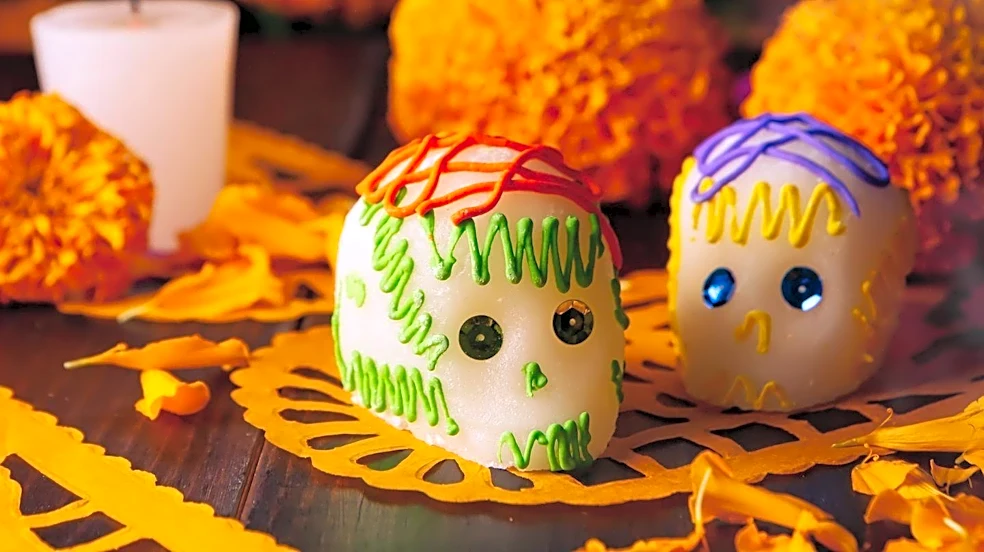
annually on November 1-2, Día de los Muertos is a festive occasion rooted in indigenous and Catholic customs, where families gather to remember and celebrate the lives of those who have passed. Activities often include creating ofrendas (altars), sharing traditional foods like pan de muerto, music, and art workshops such as decorating sugar skulls. These library programs emphasize the holiday's true meaning as a joyful remembrance, distinct from Halloween, and provide a space for cultural appreciation and community engagement. For instance, one children's librarian has successfully hosted Día de los Muertos programs for three years, featuring workshops on painting ceramic or sugar skulls and providing pan de muerto for participants.
Why It's Important?
The initiative by U.S. libraries to host Día de los Muertos programs is crucial for several reasons. Firstly, it serves as a vital educational tool, dispelling common misconceptions about the holiday and highlighting its rich cultural and historical significance. By offering hands-on activities and explanations, libraries help foster a deeper understanding and respect for Mexican and Latin American traditions among diverse communities. Secondly, these programs provide a sense of belonging and cultural affirmation for Latino/a/e patrons, particularly children, who can see their heritage celebrated and valued within public institutions. This inclusivity is essential for building stronger, more cohesive communities. Lastly, by creating spaces for shared cultural experiences, libraries reinforce their role as community hubs that promote diversity, learning, and intergenerational connection, contributing to a more culturally literate society.
What's Next?
As Día de los Muertos gains wider recognition in the U.S., it is anticipated that more libraries and cultural institutions will expand their programming to include respectful and authentic celebrations of the holiday. There will likely be a continued focus on collaborating with local artists and cultural experts to ensure the accuracy and integrity of the traditions presented. Libraries may also explore partnerships with community organizations to reach a broader audience and offer more diverse activities. The success of current programs suggests a growing demand for such cultural events, which could lead to increased funding and resources allocated for diversity and inclusion initiatives within library systems. Furthermore, these programs could inspire other public spaces to adopt similar educational and celebratory approaches to cultural holidays.
Beyond the Headlines
Beyond the immediate celebrations, the integration of Día de los Muertos into library programming reflects a broader societal shift towards recognizing and valuing diverse cultural identities within the U.S. This movement challenges the historical dominance of certain cultural narratives and promotes a more inclusive national identity. The emphasis on remembrance and connection to ancestors, central to Día de los Muertos, offers a unique perspective on death and grief that can resonate across different cultural backgrounds, fostering empathy and shared human experience. By providing platforms for these traditions, libraries contribute to the ongoing dialogue about cultural appreciation versus appropriation, encouraging respectful engagement and authentic representation of diverse heritages in public spaces.