


What's Happening?
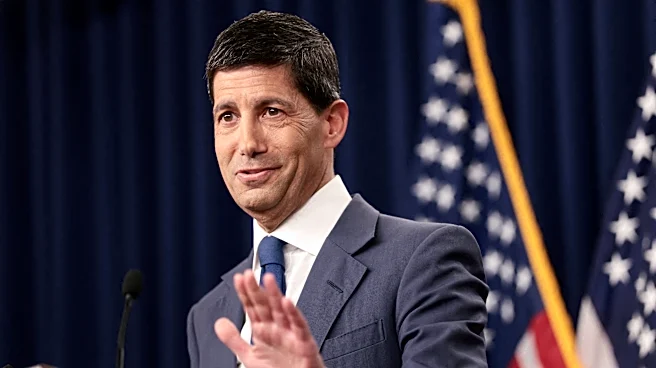
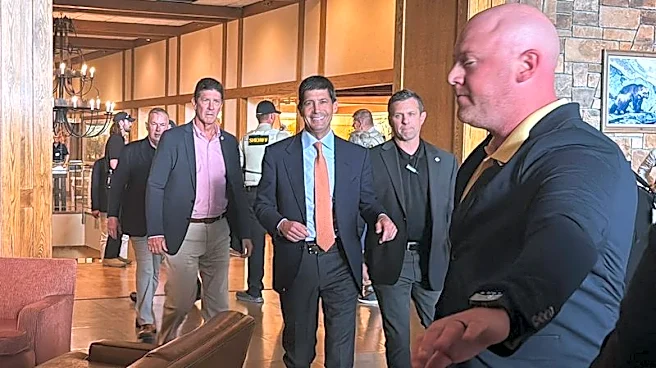
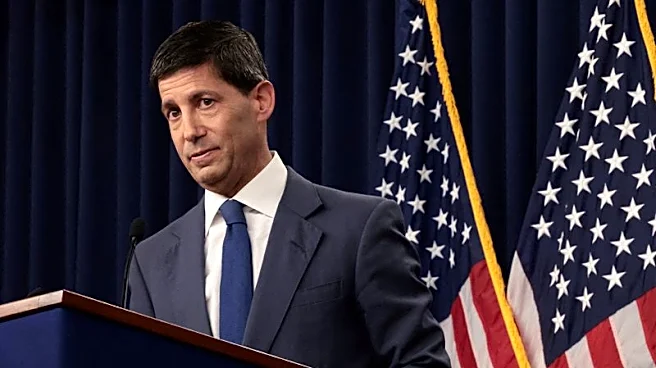
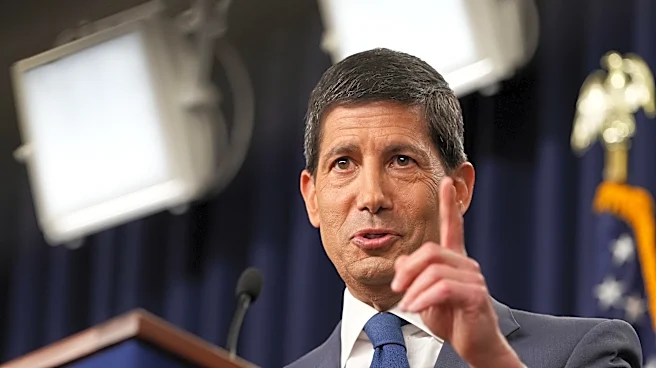
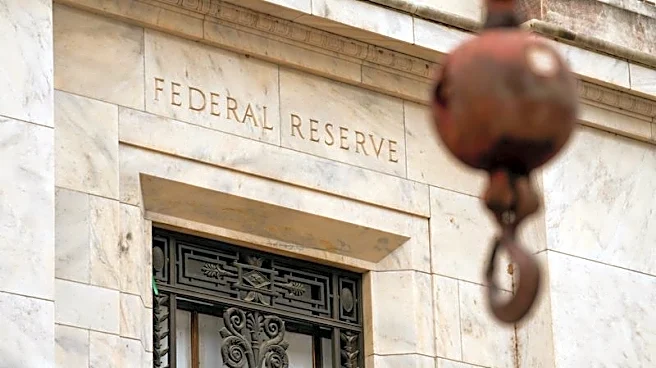
Federal Reserve Chair Kevin Warsh indicated that the central bank may need to raise interest rates in the coming months if inflation does not show meaningful improvement. Speaking at the Jackson Hole Economic Policy Symposium, Warsh acknowledged a recent
cooling in inflation during June and July, but stressed that underlying trends have not improved sufficiently. He emphasized that the Fed's primary objective is to ensure underlying inflation moves clearly and at a sufficient speed towards its 2% target. Warsh clarified that short-term interest rates are the predominant tool for combating inflation. Despite these signals, he maintained his stance against providing 'forward guidance' on future interest rate decisions, arguing it limits the Fed's flexibility. Inflation, as measured by the Fed's preferred gauge, stood at 3.7% in July, remaining above the central bank's target. Warsh's remarks aimed to reassure Wall Street that fighting inflation remains the Fed's priority, even as questions had arisen about his focus on the issue.
Why It's Important?
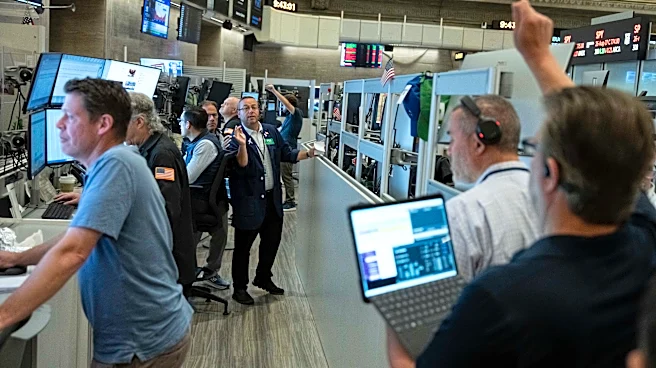
Warsh's statements are significant as they provide a clearer indication of the Federal Reserve's potential monetary policy direction under his leadership. The prospect of interest rate hikes directly impacts borrowing costs for consumers and businesses across the U.S., influencing everything from mortgage rates to corporate investment. Higher rates could help curb inflation but might also slow economic growth. The bond market has already reacted, with the yield on the two-year Treasury moving higher, reflecting investor expectations of increased short-term rates. This could lead to higher costs for government borrowing and for companies seeking capital. President Trump's continued calls for lower interest rates add a political dimension, highlighting potential tensions between the executive branch and the independent central bank. The Fed's actions are crucial for maintaining price stability and ensuring the long-term health of the U.S. economy, affecting all economic stakeholders.
What's Next?
The Federal Reserve's next meeting is scheduled for September 15-16. While Warsh's remarks do not guarantee a rate hike at this specific meeting, they have shifted market expectations, with Wall Street investors now seeing the chances of a hike as a 'coin flip.' The Fed will continue to monitor inflation data, which Warsh noted is 'more concerning' than job market trends. The central bank's approach will likely remain flexible, as Warsh has reiterated his skepticism about providing detailed 'forward guidance.' Economists and investors will closely watch upcoming economic indicators, particularly inflation reports, for further clues on the Fed's next moves. The ongoing political pressure from President Trump regarding interest rates could also continue to be a factor, potentially influencing public perception of the Fed's independence.
Beyond the Headlines
The debate surrounding 'forward guidance' highlights a deeper philosophical difference in central banking communication. While some argue that clear guidance helps stabilize markets and manage expectations, Warsh believes it can constrain the Fed's ability to respond effectively to evolving economic conditions. This approach prioritizes flexibility over predictability, which could lead to increased market volatility in the short term but potentially greater adaptability in monetary policy. Furthermore, the persistent political pressure from President Trump on the Fed's interest rate decisions raises questions about the institution's independence and its ability to make decisions solely based on economic data. The long-term implications of such political interference could erode public trust in the Fed's autonomy and its capacity to effectively manage the nation's monetary policy, potentially impacting global confidence in the U.S. financial system.