








What's Happening?
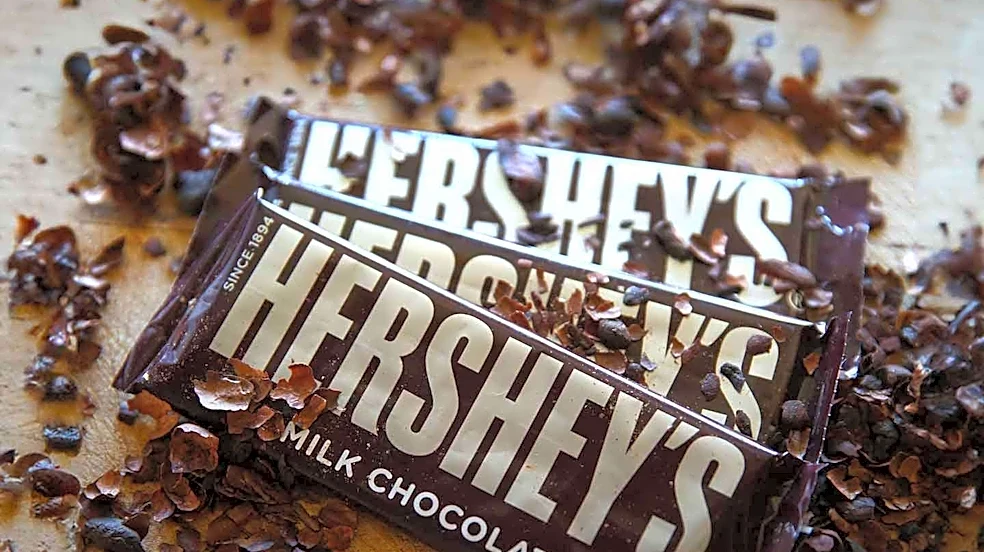
Hershey, a prominent U.S. confectionery company, is under increasing scrutiny regarding alleged alterations to the recipes of its classic chocolate products, including Reese's Peanut Butter Cups, Hershey's bars, Mr. Goodbar, Rolo, and Almond Joy. Brad
Reese, grandson of Reese's Peanut Butter Cups inventor H. B. Reese, initiated a public campaign on LinkedIn, claiming that Hershey has replaced real chocolate with compound chocolate (using vegetable oils instead of cocoa butter) and real peanut butter with 'peanut-butter-style crèmes' in some products to cut costs. While Hershey initially stated its original peanut butter cup recipe hadn't changed, it later admitted to 'adjustments' in other products and promised to revert seasonal items to old formulas by 2027. Industry experts and consumers report noticeable differences in taste and texture, with some attributing changes to the use of preservatives like TBHQ and PGPR, and a COVID-era loophole that allowed ingredient changes without immediate label updates until late 2023.
Why It's Important?
This situation is important for the U.S. confectionery industry and consumers as it highlights a broader trend of 'enshittification' in food manufacturing, where companies subtly alter product formulations to reduce costs, potentially at the expense of quality and consumer trust. The alleged changes by a major player like Hershey could erode brand loyalty and shift consumer preferences towards alternative brands or even away from traditional chocolate. For the industry, it underscores the tension between maintaining product integrity and managing rising costs, particularly with record cocoa prices influenced by factors like climate change and tariffs. The debate also brings to light ethical considerations regarding transparency in ingredient labeling and the potential health implications of additives like TBHQ, which is banned in some countries and linked to health issues in lab animals. This could lead to increased consumer demand for 'clean label' products and greater regulatory scrutiny on ingredient disclosures.
What's Next?
Hershey has committed to reverting some limited-edition seasonal offerings to their 'classic recipes' by 2027, starting with Valentine's Day and Super Bowl products. However, the company maintains that year-round products like Hershey bars and Reese's cups have not changed. This stance suggests ongoing consumer skepticism and potential for continued public debate, especially if taste differences persist. Industry critics, such as Clay Gordon, are expected to continue advocating for stricter adherence to chocolate standards and ethical sourcing practices. Furthermore, the broader trend of 'faux-coa'—chocolate alternatives made from various plant-based ingredients—is likely to accelerate, driven by sustainability concerns and cost pressures. This could lead to a push for new FDA standards of identity for these alternative products, potentially sparking further regulatory and industry discussions about what can legitimately be labeled 'chocolate' in the U.S. market.
Beyond the Headlines
Beyond the immediate concerns about taste and ingredients, this controversy touches upon deeper societal and economic shifts. The 'incremental degradation' of beloved products reflects a broader challenge in late-stage capitalism, where profit maximization often takes precedence over product quality and consumer experience. The narrative also highlights the disconnect between corporate messaging and consumer perception, with companies like Hershey asserting product consistency while consumers and experts detect clear changes. This can foster a sense of distrust and powerlessness among consumers. The discussion around cocoa sourcing also brings to light the ethical complexities of the global supply chain, including child labor and exploitation of farmers, suggesting that the 'high cost of cheap chocolate' extends beyond mere ingredients to human and environmental costs. Ultimately, this situation could catalyze a re-evaluation of consumer values, pushing for greater transparency, ethical production, and a return to quality over cost-cutting in the food industry.