





What's Happening?
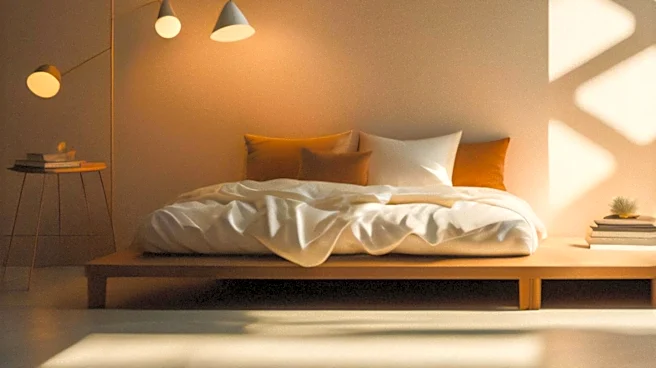
Somna Studio is promoting a design philosophy called 'Quiet Minimal' for bedrooms, focusing on creating a restful environment through simplicity and warmth. This approach emphasizes soft layers, natural textures, and calm colors, avoiding excessive decoration.
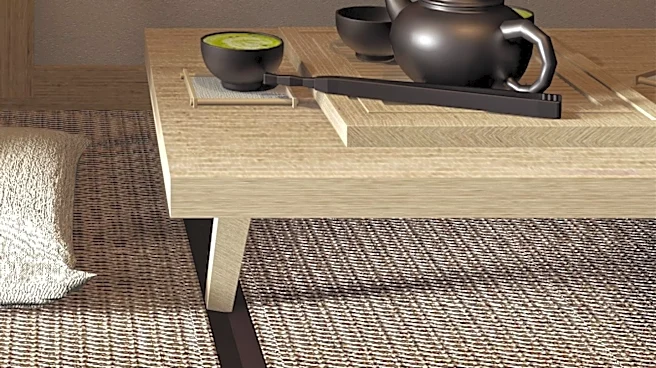
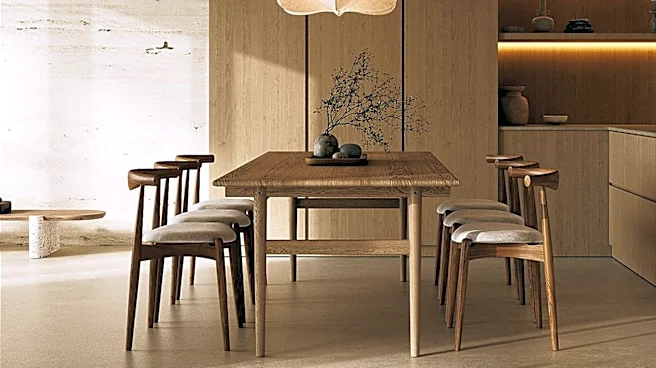
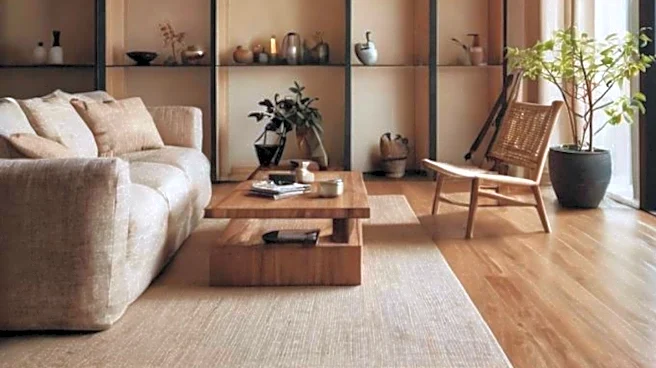
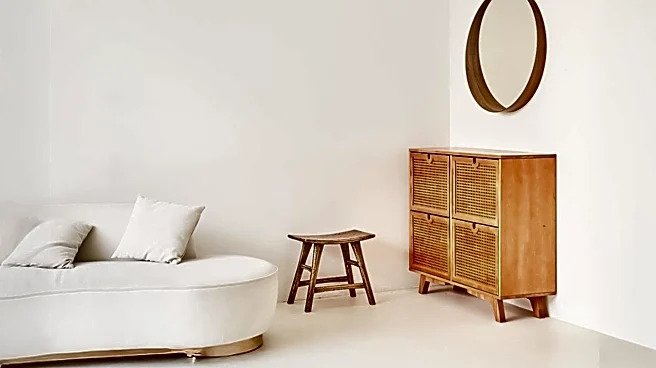
The core idea is that a bedroom should 'do less' to promote relaxation and better sleep. Instead of filling the room with numerous decorative objects, the design relies on texture to create interest, using materials like washed cotton, soft linen, woven throws, natural timber, and matte ceramics. The palette is kept quiet, drawing inspiration from nature with colors such as chalk, sand, mushroom, oatmeal, warm stone, faded olive, and natural wood. Muted greenery and softened natural light are also incorporated to enhance calmness without disrupting the room's tranquility. The bed is positioned as the visual and emotional center, styled with soft, neutral bedding that appears comfortable and effortless.
Why It's Important?
The 'Quiet Minimal' design philosophy is important for addressing the growing need for restful environments in an increasingly busy world. By advocating for bedrooms that prioritize calm and simplicity, Somna Studio highlights the impact of physical surroundings on mental well-being and sleep quality. In a society where stress and overstimulation are common, creating a sanctuary at home can significantly improve an individual's ability to unwind and recharge. This approach can influence consumer choices in home decor, encouraging a shift towards more intentional and less cluttered living spaces. For industries related to home furnishings, textiles, and interior design, this trend could lead to increased demand for natural materials, neutral color palettes, and minimalist furniture, potentially impacting manufacturing and retail strategies. The emphasis on 'fewer, better things' also aligns with broader sustainability trends, promoting conscious consumption over excessive accumulation.
What's Next?
The concept of 'Quiet Minimal' is likely to gain traction as more individuals seek ways to improve their sleep and reduce daily stress. We can expect to see an increase in interior design trends and product offerings that align with this philosophy, such as furniture lines featuring clean designs, textile collections in natural fibers and muted tones, and decor items that emphasize craftsmanship over quantity. Retailers may begin to curate collections specifically designed to create 'quiet rooms,' offering bundled solutions for consumers. Design publications and influencers are also likely to further popularize these ideas, providing practical tips and inspiration for implementing 'Quiet Minimal' principles. Additionally, the focus on natural elements and sustainable materials could drive innovation in eco-friendly home products, catering to a growing market of environmentally conscious consumers.
Beyond the Headlines
Beyond its immediate impact on interior design, the 'Quiet Minimal' movement reflects a deeper cultural shift towards valuing tranquility and intentional living. In an era dominated by digital noise and constant connectivity, the desire for a 'quiet room' signifies a yearning for disconnection and mental clarity. This trend extends beyond the bedroom, influencing broader lifestyle choices such as digital detoxes, mindfulness practices, and a general preference for simplicity in various aspects of life. Ethically, it encourages a re-evaluation of consumerism, prompting individuals to consider the purpose and impact of their possessions. Culturally, it challenges the notion that more is always better, advocating for a more curated and meaningful approach to personal spaces. This shift could lead to long-term changes in how people design their homes, interact with their belongings, and prioritize their mental and emotional well-being.