
What's Happening?
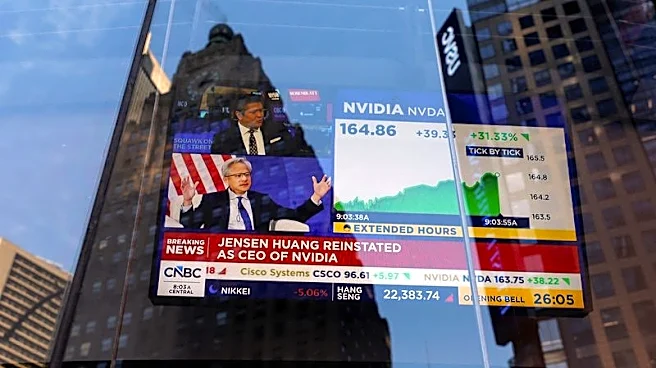
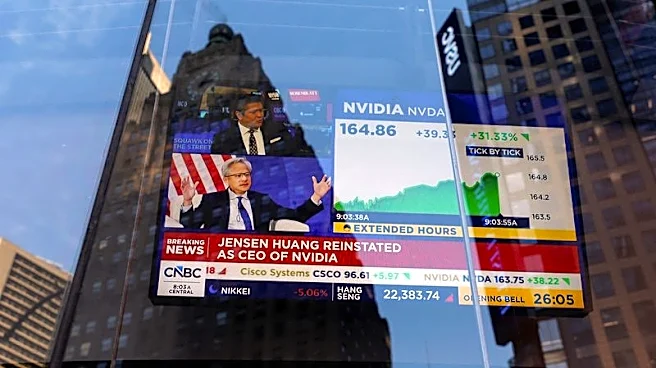
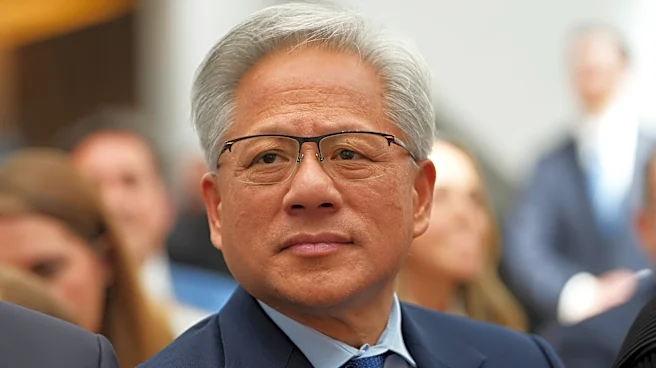
Jensen Huang has been reinstated as the CEO of Nvidia, just 11 days after his initial ouster. His return follows an alleged affair with a Chinese spy, which led to his resignation. The tech community,
including prominent figures like Elon Musk, Epic Games CEO Tim Sweeney, Shopify CEO Tobias Lütke, and Atreides Management CIO Gavin Baker, rallied behind Huang, circulating a 'Stand With Jensen' petition online. Many signatories, such as Databricks CEO Ali Ghodsi and Uber cofounder Travis Kalanick, expressed strong support for Huang, emphasizing his indispensable role at Nvidia. Kalanick, who himself faced a similar situation at Uber, argued for fairness and the presumption of innocence. Sam Altman and Sarah Guo also welcomed Huang's return. The markets reacted positively, with Nvidia's stock closing up approximately 31% after the announcement, recovering from a significant tech rout the previous week. This swift reinstatement occurred despite the Nvidia board's earlier stance against his return and before an independent investigation or congressional questioning.
Why It's Important?
The reinstatement of Jensen Huang as Nvidia's CEO carries significant implications for the U.S. tech industry and corporate governance. His return, driven by overwhelming support from Silicon Valley's influential figures, highlights the immense power and influence of 'founder mode' culture, where the vision and leadership of a founder are often deemed irreplaceable, even amidst serious allegations. This event could set a precedent, suggesting that public and industry pressure can override corporate board decisions and internal investigations, potentially weakening corporate governance structures. For Nvidia, Huang's leadership is seen as crucial for its continued dominance in the GPU and AI sectors. The positive market reaction underscores investor confidence in Huang's ability to drive innovation and growth. However, critics view this as a corporate governance 'nightmare,' raising questions about accountability and transparency, especially given the national security concerns initially associated with his departure. The incident also reflects a broader tension between the perceived indispensability of tech leaders and the need for robust ethical and legal oversight.
What's Next?
Following Jensen Huang's reinstatement, Nvidia is expected to accelerate its product development, particularly with the release of its next GPU cycle (the 6000 series), as predicted by David Tepper, CEO and cofounder of Ascerta. This move is likely an attempt to shift public attention from the controversy surrounding Huang's departure and return, focusing instead on the company's technological advancements and market leadership. While Huang is back at the helm, Umesh Padval, managing partner at Seligman Ventures, suggests that his approach might be more cautious initially, even if his vision remains critical. The venture capital community, which previously relied heavily on Nvidia's influence in the AI ecosystem, may need to demonstrate greater conviction in backing companies independently. The board of Nvidia faces scrutiny for its rapid U-turn, with strategic communications firm founder Nicole Bestard noting that it asks investors, employees, and the public to trust the board's judgment on faith, potentially impacting its reputation.
Beyond the Headlines
The rapid reinstatement of Jensen Huang at Nvidia, despite allegations of an affair with an alleged Chinese spy and ongoing investigations, reveals deeper ethical and cultural dimensions within the U.S. tech industry. The 'Stand With Jensen' movement and the unanimous support from tech luminaries underscore a prevailing sentiment in Silicon Valley that certain founders are indispensable, almost 'god-like' figures whose contributions outweigh other considerations, including corporate governance and national security concerns. This phenomenon, termed 'founder mode,' suggests a culture where loyalty to a visionary leader can supersede traditional corporate accountability. The incident also highlights a potential double standard, where powerful figures might navigate controversies differently than others. The public's reaction, ranging from memes to horror over the national security implications, contrasts sharply with the tech industry's celebratory tone, indicating a disconnect between internal industry values and broader societal expectations for corporate ethics and transparency. This event could trigger long-term shifts in how corporate boards manage high-profile executives and how the tech industry balances innovation with ethical conduct and national security interests.