





What's Happening?
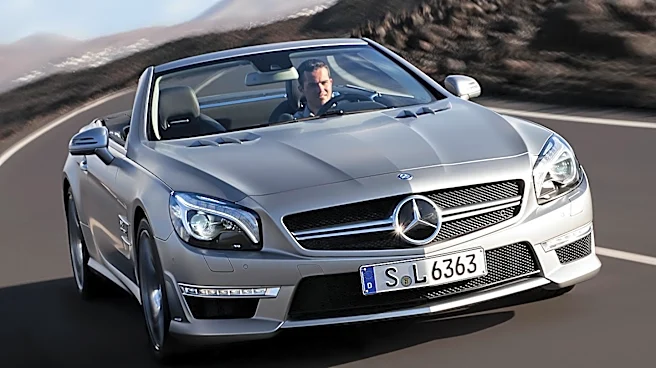
Major German carmakers, including Volkswagen, Mercedes-Benz, BMW, and Porsche, have reported significant declines in sales in China, the world's largest auto market. Sales for these companies fell between 30% and 41% in the second quarter compared to the previous
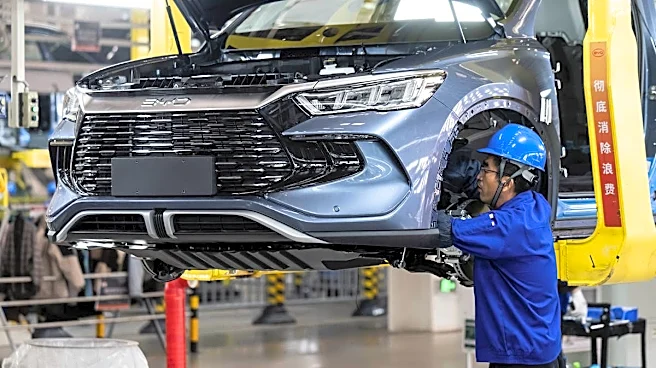
year. The decline is attributed to weakened domestic demand and increased competition from Chinese automakers, who are also expanding their presence in international markets. The downturn in China has impacted the overall profits of these German companies, despite gains in other regions. In response, Volkswagen plans to reduce its model lineup in China by up to half.
Why It's Important?
The sales decline in China represents a significant challenge for German carmakers, who have historically relied on the Chinese market for growth. The intensified competition from Chinese brands, particularly in the electric vehicle segment, underscores the shifting dynamics in the global automotive industry. This development could lead to strategic adjustments by German automakers, including increased focus on innovation and cost management. The outcome will have implications for the global auto market, affecting supply chains, employment, and economic growth in regions dependent on automotive manufacturing.
What's Next?
German carmakers are likely to reassess their strategies in China, potentially increasing investments in electric vehicles and other innovative technologies to regain market share. The competitive landscape will continue to evolve as Chinese automakers expand their global footprint. Industry stakeholders will be monitoring the response of German companies and the impact on their financial performance. The broader implications for the global auto industry, including potential shifts in trade policies and supply chain dynamics, will also be closely watched.