



What's Happening?
Author Joyce Carol Oates has publicly defended Christopher Nolan's film adaptation of 'The Odyssey' following a critical review by translator Emily Wilson. Wilson, known for her 2017 translation of Homer's epic, criticized the film for lacking depth and
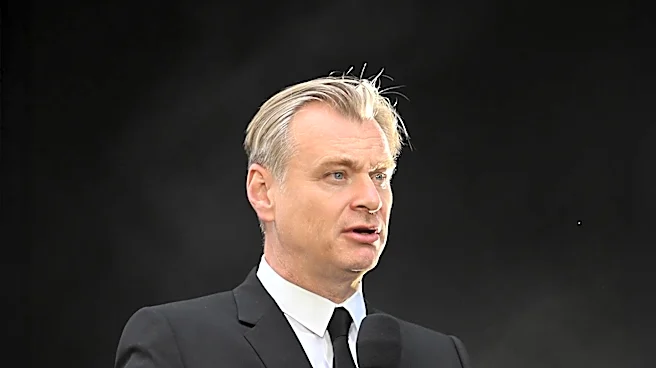
failing to deliver on its thematic promises. Oates responded on social media, accusing Wilson of using divisive language reminiscent of political rhetoric. She argued that Wilson's critique was uncollegial and failed to acknowledge the creative efforts behind the film. Nolan had previously praised Wilson's translation, using it as inspiration for the film's portrayal of Odysseus.
Why It's Important?
This exchange highlights the ongoing debate over artistic interpretation and the challenges of adapting classic literature into modern media. Oates' defense of Nolan's film underscores the tension between traditional literary scholarship and contemporary cinematic storytelling. The controversy also reflects broader cultural discussions about the role of critics and the impact of their reviews on creative works. As adaptations of classic texts continue to gain popularity, this incident illustrates the complexities involved in balancing fidelity to the source material with innovative reinterpretation, a challenge faced by filmmakers and authors alike.
What's Next?
The public discourse surrounding 'The Odyssey' film and its reception is likely to continue, with potential implications for future adaptations of classic literature. Filmmakers and authors may become more cautious in their approach to reinterpretations, considering the potential for critical backlash. This incident may also prompt discussions within the literary and film communities about the role of criticism and the importance of constructive dialogue. As audiences engage with these debates, there may be increased interest in exploring different perspectives on classic works, fostering a richer understanding of their cultural significance.
Beyond the Headlines
The controversy touches on deeper issues of cultural authority and the power dynamics between creators and critics. It raises questions about who gets to define the 'correct' interpretation of a text and how cultural gatekeeping can influence public perception. This debate also highlights the evolving nature of storytelling, as new media formats challenge traditional literary conventions. As the boundaries between literature and film continue to blur, the conversation around 'The Odyssey' serves as a reminder of the enduring relevance of classic stories and their ability to spark meaningful dialogue across different mediums.