
What's Happening?
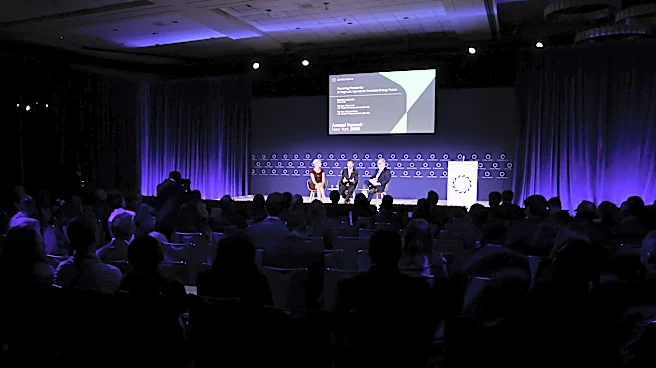
The World Sustainable Hospitality Alliance (WSHA) is set to host its Net Positive Hospitality Global Summit in Paris from December 8-9, 2026. Hosted by Accor, a founding strategic partner, the summit will
gather over 250 senior executives, investors, policymakers, and innovators from across the global hospitality value chain. This event aims to accelerate industry-wide sustainability actions, bringing together leaders from major hotel brands like IHG, Wyndham, and Radisson, as well as representatives from government agencies and sustainability organizations. The agenda includes high-impact plenary sessions focusing on geopolitical challenges, sustainable finance, AI technologies, and growing within planetary boundaries. Interactive Action Labs will also be featured, designed to facilitate real-world solutions in areas such as destination resilience, workforce human rights, supply chains, and circular solutions for food, energy, and water efficiency. The summit will conclude with an Innovation Marketplace and the 3rd World Sustainable Travel and Hospitality Awards.
Why It's Important?
This summit is crucial for the U.S. hospitality industry as it operates within a global framework and faces increasing pressure from consumers, investors, and regulators to adopt sustainable practices. U.S.-based hotel chains and hospitality companies participating in this global dialogue will gain insights into international best practices, emerging technologies, and sustainable finance models that can be applied domestically. The discussions on navigating geopolitical challenges and leveraging AI responsibly will also be vital for U.S. businesses looking to maintain competitiveness and ethical operations. Furthermore, the focus on destination resilience and workforce human rights aligns with growing stakeholder expectations in the U.S. for responsible business conduct. The outcomes of this summit could influence future sustainability standards and investment trends, impacting how U.S. hospitality businesses operate, secure funding, and attract environmentally conscious travelers.
What's Next?
Following the summit, participating U.S. hospitality leaders are expected to integrate the insights and strategies discussed into their corporate sustainability initiatives. This could lead to increased investment in sustainable technologies, adoption of new methodologies for emissions reduction, and enhanced efforts in ethical supply chain management and workforce development within their U.S. operations. The event also serves as a strategic launchpad for cross-sector execution as the industry prepares for 2027, designated as the United Nations International Year of Sustainable and Resilient Tourism. This designation will likely amplify calls for greater sustainability efforts, potentially leading to new policy discussions or industry-led initiatives in the U.S. to align with global sustainability goals. The Innovation Marketplace may also foster new partnerships and technology adoptions that could benefit the U.S. market.
Beyond the Headlines
The WSHA summit underscores a broader shift in the global hospitality industry towards a 'net-positive' model, moving beyond mere carbon neutrality to actively contributing to environmental and social well-being. For the U.S., this signifies a deeper ethical and operational transformation, where sustainability is no longer a peripheral concern but a core component of business resilience and financial performance. The emphasis on human-centric service alongside AI integration highlights a complex challenge for U.S. companies: balancing technological advancement with maintaining high-quality human interaction and ensuring equitable labor practices. This holistic approach could drive long-term changes in consumer expectations, investment criteria, and regulatory frameworks, pushing U.S. hospitality businesses to redefine their value proposition in an increasingly sustainability-conscious world. The collaborative nature of the Alliance also suggests a future where industry-wide cooperation, rather than individual corporate efforts, becomes the norm for addressing complex global challenges.