







What's Happening?
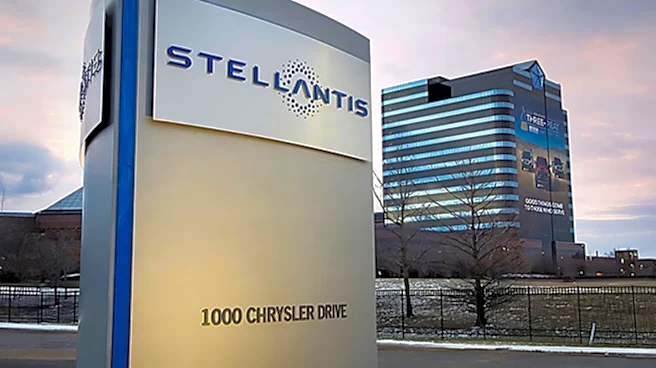
Stellantis, through its circular economy business unit SUSTAINera, is expanding its range of refurbished parts to include high-voltage batteries for electric and hybrid vehicles. This initiative aims to extend product lifespans, reduce waste, conserve
resources, and lower CO2 emissions. The refurbished high-voltage batteries are now available for most Battery Electric Vehicle (BEV) and Plug-in Hybrid Electric Vehicle (PHEV) models across Stellantis brands. These parts are reconditioned to meet original equipment manufacturer (OEM) specifications, offering the same performance characteristics and warranty conditions as new MOPAR original parts. SUSTAINera has previously supplied refurbished EV batteries for stationary energy storage systems, such as for Rome Airport.
Why It's Important?
This expansion by Stellantis is a significant step towards promoting a circular economy within the automotive industry, particularly for electric vehicles. By offering refurbished high-voltage batteries, Stellantis addresses the environmental impact associated with battery production and disposal, saving up to 80% of raw materials and 40% of CO2 emissions compared to manufacturing new parts. This initiative also provides a more sustainable and potentially cost-effective option for consumers and repair shops, extending the life of EVs and making maintenance more accessible. It contributes to the broader goal of resource-efficient mobility and helps to establish a robust aftermarket for EV components, which is crucial for the long-term sustainability and widespread adoption of electric vehicles. The program also demonstrates the potential for second-life applications of EV batteries, maximizing their value before eventual recycling.
What's Next?
Stellantis will showcase its refurbished products, including the high-voltage batteries, at Automechanika in Frankfurt. This exhibition will feature a live workshop environment to demonstrate how circular economy solutions can benefit workshops, aftermarket professionals, dealers, and customers. The company's focus will be on integrating these refurbished parts into its existing supply chain and promoting their adoption across its network. The success of this program could lead to further expansion of refurbished EV components and potentially influence other automakers to adopt similar circular economy strategies. Continued efforts will likely involve optimizing the refurbishment processes, expanding the range of eligible battery models, and educating consumers and repair technicians about the benefits and reliability of refurbished parts.
Beyond the Headlines
The move by Stellantis to offer refurbished EV batteries signals a maturing electric vehicle market and a growing emphasis on sustainability throughout the product lifecycle. This initiative goes beyond simply selling new cars; it addresses the entire ecosystem of EV ownership, including maintenance, repair, and end-of-life management. It highlights the increasing value placed on resource efficiency and carbon footprint reduction in the automotive sector. This approach could also foster new business models and partnerships within the aftermarket industry, creating opportunities for specialized refurbishment and recycling services. Furthermore, it contributes to building consumer confidence in EV longevity and sustainability, which is crucial for accelerating the transition to electric mobility. The long-term impact could be a significant reduction in the environmental burden of EV manufacturing and a more resilient and sustainable automotive industry.