







What's Happening?
Setting up a productive home office does not necessitate expensive equipment or a dedicated room. The focus should be on creating a comfortable and functional workspace that supports concentration and professional communication. Key considerations include
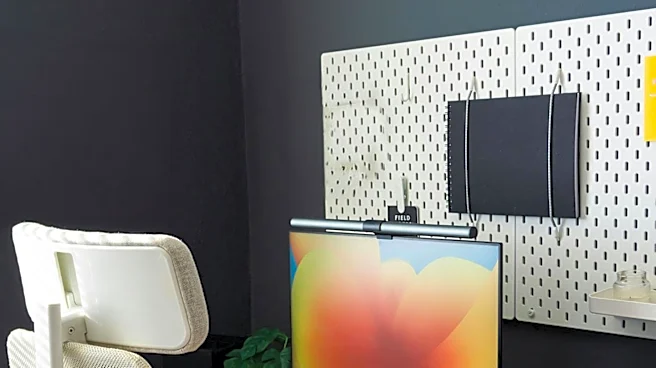
selecting a quiet, well-lit space, ensuring proper seating and posture, and having a reliable internet connection. For those on a low budget, practical tips involve utilizing existing furniture, such as a dining chair with a cushion for back support, and positioning screens at eye level using simple stands. Good lighting, preferably natural daylight, is crucial for video calls, with a tidy, neutral background being more professional than virtual alternatives. Reliability of internet and power is paramount, and equipment purchases should be incremental, addressing actual needs rather than anticipating them. The most common items in home office tours include various tech accessories and furniture, with a trend towards functional and ergonomic solutions.
Why It's Important?
The shift towards remote work has made effective home office setups critical for maintaining productivity and professional standards. For individuals, a well-designed home office can significantly impact comfort, focus, and overall well-being, preventing issues like poor posture and eye strain. For businesses, supporting employees in creating functional home workspaces can lead to increased efficiency and job satisfaction, reducing the need for costly office spaces. The emphasis on budget-friendly solutions makes remote work accessible to a broader demographic, fostering economic inclusivity. Furthermore, the integration of technology and ergonomic principles in home office design highlights a growing awareness of long-term health and productivity benefits, influencing consumer choices in furniture and tech markets. The trend of tracking common home office items provides valuable insights into evolving work-from-home needs and preferences.
What's Next?
As remote and hybrid work models continue to evolve, the demand for adaptable and efficient home office solutions is expected to grow. Future developments may include more integrated smart home office technologies that optimize lighting, climate, and connectivity. There will likely be an increased focus on modular and multi-functional furniture designs that can seamlessly blend into various living spaces, catering to those without dedicated office rooms. Employers might further refine policies regarding equipment provision and ergonomic support for remote workers, potentially leading to new industry standards for home office setups. The market for specialized home office accessories, such as monitor risers, footrests, and cable management solutions, is also anticipated to expand, driven by the continuous pursuit of enhanced comfort and productivity.
Beyond the Headlines
The evolution of the home office extends beyond mere functionality, touching upon psychological and cultural aspects of work-life balance. Creating a distinct workspace, even within a shared living area, helps establish mental boundaries between professional and personal life, crucial for preventing burnout. The aesthetic choices, such as a gothic-themed office, reflect a desire for personalization and an environment that inspires creativity and focus. This trend underscores a broader cultural shift where work is increasingly integrated into personal spaces, blurring traditional distinctions. The emphasis on layered lighting, ergonomic design, and thoughtful organization speaks to a holistic approach to well-being, recognizing that physical environment profoundly impacts mental state and productivity. This integration of personal style and professional functionality highlights a deeper societal re-evaluation of what constitutes a 'productive' and 'fulfilling' work environment.