

What's Happening?
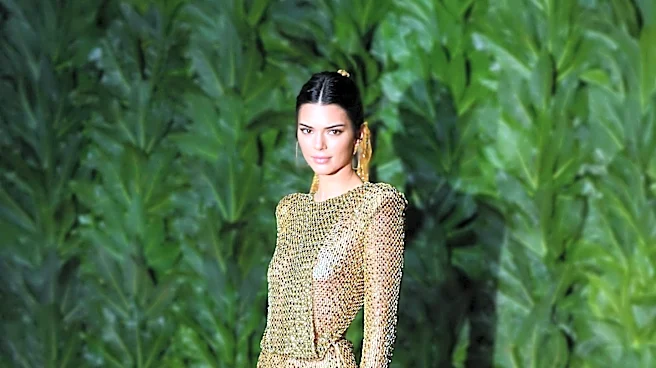
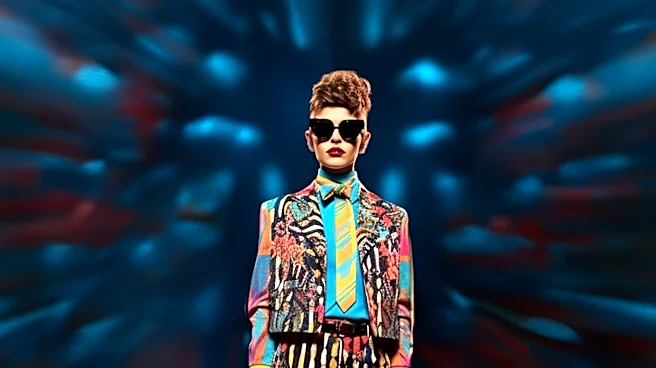
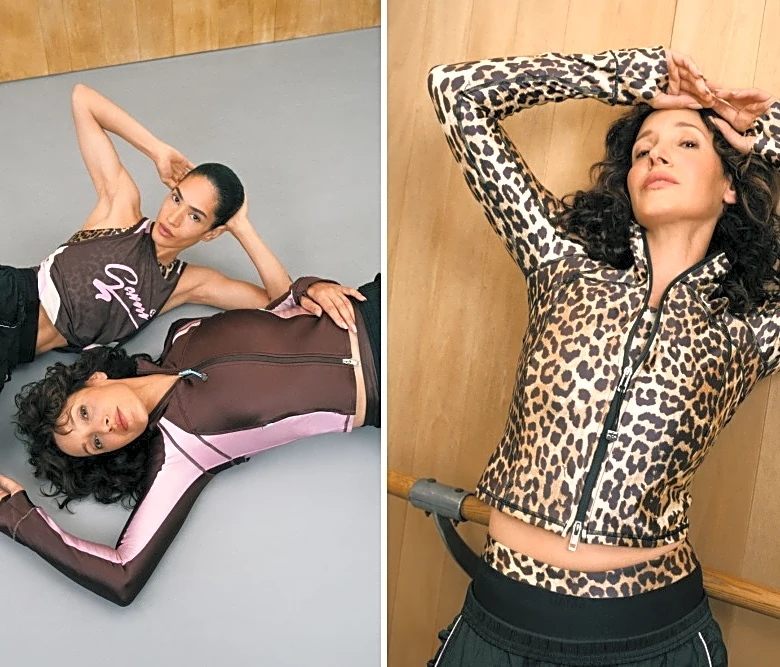
The fashion and modeling industries are experiencing a significant shift with the rise of alternative look models. These individuals embody diverse and unconventional styles, moving away from traditional beauty standards. Unlike conventional models, alternative look models embrace
unique aesthetics such as punk, goth, surreal, or avant-garde fashion. This evolution reflects a broader paradigm shift towards inclusivity within the industry. Historically, modeling has focused on narrow beauty ideals, but alternative models are challenging these norms by showcasing individuality and personal expression. Their increasing visibility highlights a wider range of aesthetics, promoting body positivity by moving away from mainstream body ideals and encouraging acceptance of all body types. Social media platforms like Instagram and TikTok have played a crucial role in this trend, allowing these models to build their brands, gain followers, and attract attention from fashion brands, thereby democratizing content creation and curation in the industry.
Why It's Important?
The emergence of alternative look models is important because it signifies a fundamental change in how beauty and representation are perceived within the U.S. fashion industry and society at large. This movement challenges long-standing, often restrictive, beauty standards, fostering a more inclusive environment. For consumers, it means seeing a broader spectrum of individuals represented in media and advertising, which can positively impact self-perception and body image. For brands, embracing alternative models can lead to increased market relevance and appeal to diverse consumer bases who feel unrepresented by traditional advertising. This shift also creates new opportunities for models who previously might not have fit conventional molds, expanding career paths and promoting greater diversity in the workforce. The trend encourages creativity and authenticity, pushing the industry to innovate beyond established norms and reflect the multifaceted nature of modern society.
What's Next?
The trend of alternative look models is expected to continue growing, further integrating diverse aesthetics into mainstream fashion. Brands will likely increase their collaborations with these models for campaigns, seeking to highlight unique styles and challenge conventional beauty narratives. Aspiring alternative models will need to focus on building strong portfolios, networking within fashion communities, and maintaining authenticity to succeed. The industry will also see a continued rise in specialized agencies dedicated to representing alternative talent, making it easier for models to find representation that aligns with their unique styles. Furthermore, emerging trends such as sustainable fashion and ethical modeling are expected to influence how alternative models engage with brands and audiences, potentially leading to more purpose-driven collaborations and campaigns that resonate with socially conscious consumers.
Beyond the Headlines
Beyond the immediate impact on fashion, the rise of alternative look models reflects deeper societal shifts towards valuing individuality and authenticity over conformity. This movement challenges the commercialization of beauty by promoting self-expression as a core tenet, rather than adherence to a manufactured ideal. Ethically, it pushes the industry to confront its historical biases and embrace a more equitable representation of diverse body types, cultures, and personal styles. Legally, as inclusivity becomes more central, there may be increased pressure for anti-discrimination policies within modeling contracts and industry practices. Culturally, the visibility of alternative aesthetics can influence broader trends in art, music, and lifestyle, fostering a more accepting and diverse cultural landscape where unique identities are celebrated rather than marginalized. This evolution suggests a long-term shift towards a more fluid and inclusive definition of beauty and success in creative industries.