




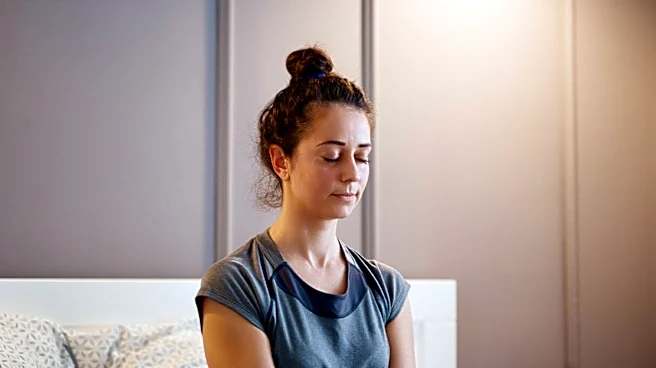

What's Happening?
Sources indicate that adopting ritualized morning and evening routines can significantly enhance sleep quality. For evenings, recommendations include dimming lights, disengaging from screens, slowing down activities, lighting a candle, taking a warm bath,
preparing a nutritious meal, and reading a book. Some suggestions also involve massaging feet with warm oils and practicing slow breathing exercises. The emphasis is on creating familiar cues that associate these moments with rest, helping the nervous system transition from the day's demands. Sleep is not merely the absence of wakefulness but a crucial period for recovery and restoration, impacting immune function, cardiovascular health, hormone regulation, memory, and emotional well-being. The modern lifestyle often disrupts the body's natural circadian rhythm, which is guided by light signals. Artificial light in the evenings can signal to the brain that it's still time to be awake, even when the body needs rest. Therefore, intentional routines are vital to re-align with biological rhythms.
Why It's Important?
The implementation of consistent morning and evening routines holds significant importance for public health and individual well-being in the U.S. A population with improved sleep quality can experience enhanced productivity, better mental health, and reduced healthcare costs associated with sleep-related issues. Chronic sleep deprivation can lead to various health problems, including impaired cognitive function, increased stress levels, and a higher risk of chronic diseases. By promoting simple, repeatable habits, these routines offer an accessible and cost-effective strategy for individuals to take control of their sleep health. This approach can reduce reliance on sleep aids and other interventions, fostering a more natural and sustainable path to restorative sleep. Businesses may also benefit from a more rested workforce, potentially leading to higher efficiency and fewer sick days. The emphasis on consistency over perfection makes these routines practical for a wide range of individuals, addressing a common challenge in modern society where sleep is often deprioritized.
What's Next?
Individuals are encouraged to begin incorporating these simple, consistent habits into their daily lives. This involves making conscious choices to dim lights and avoid screens in the evening, and to seek natural light and gentle movement in the morning. The focus should be on building a sustainable routine rather than striving for immediate perfection. Healthcare providers and wellness programs may increasingly recommend such ritualized routines as a foundational element of sleep hygiene. Further research could explore the long-term health benefits and economic impacts of widespread adoption of these practices. Educational campaigns could also be developed to raise awareness about the importance of these routines and provide practical guidance for implementation, potentially leading to a societal shift towards prioritizing sleep as a critical component of overall health.
Beyond the Headlines
The emphasis on ritualized routines for sleep extends beyond mere physical health, touching upon deeper psychological and cultural dimensions. In a fast-paced, digitally-driven society, these routines offer a counter-narrative, encouraging mindfulness and a deliberate slowing down. They highlight the importance of disconnecting from constant stimulation and reconnecting with the body's natural rhythms. This shift can foster a greater sense of control and well-being, reducing anxiety often associated with the pressure to be constantly productive. Culturally, it represents a move towards valuing rest and self-care as essential, rather than luxurious, components of life. The simplicity of these rituals also underscores an ethical consideration: effective health interventions don't always require complex or expensive solutions, making good sleep more equitable and accessible. This approach could lead to a broader re-evaluation of societal norms around work-life balance and the pursuit of well-being.