






What's Happening?
The 2026 FIFA World Cup, held across 16 cities in North America, significantly boosted revenue for vacation rental hosts. According to AirDNA, short-term rentals on platforms like Airbnb generated $1.33 billion during the tournament, marking a $276.7
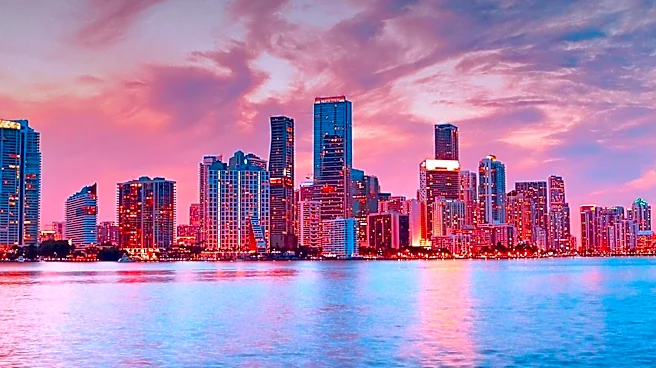
million increase compared to the previous year. The event spanned from June 10 to July 19, with over 2.3 million Airbnb nights booked during the group stage alone, an 11% year-over-year increase. Major U.S. cities such as Miami, Los Angeles, Dallas, and New York saw substantial revenue gains, with Miami leading at $42.7 million. Smaller cities like Monterrey and Guadalajara experienced the highest percentage increases in bookings. The tournament's nature, where fans often book last-minute based on their team's progress, allowed hosts to raise nightly rates significantly, especially in cities with limited accommodation supply.
Why It's Important?
The financial impact of the World Cup on host cities underscores the economic benefits of major international events. The surge in short-term rental bookings highlights the growing importance of platforms like Airbnb in accommodating large influxes of visitors. This trend benefits local economies, particularly in cities with limited hotel capacity, by providing alternative lodging options. The ability to increase rental prices during high-demand periods offers hosts a lucrative opportunity, contributing to the overall economic boost. However, the disparity in revenue gains among cities suggests varying levels of preparedness and market dynamics, which could influence future event planning and investment in infrastructure.
What's Next?
As cities evaluate the economic impact of hosting the World Cup, there may be increased interest in developing infrastructure to better accommodate large events. This could include expanding hotel capacity or encouraging more short-term rental options. Additionally, cities might consider strategies to maximize revenue during such events, including marketing campaigns to attract visitors and partnerships with rental platforms. The success of the World Cup in generating revenue could also influence bids for future international events, as cities seek to replicate the economic benefits observed.