
What's Happening?
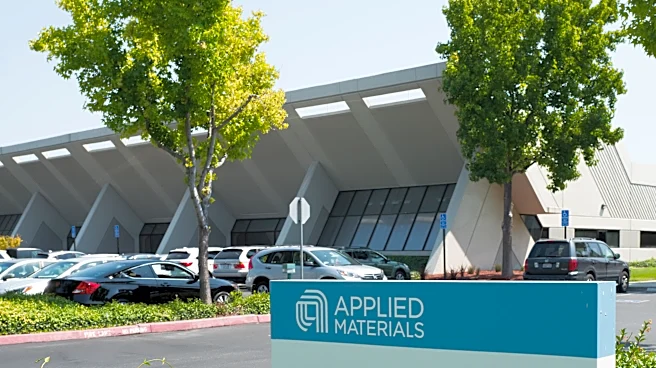
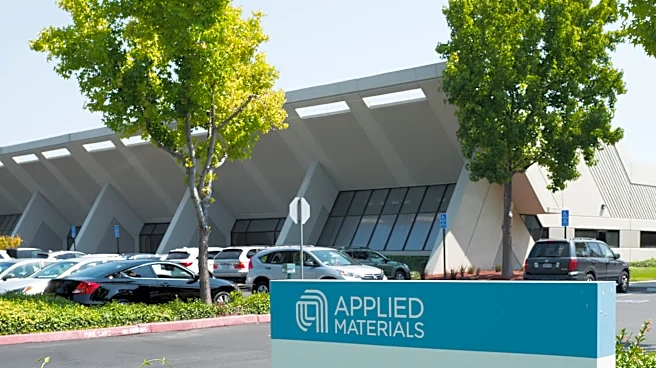
Applied Materials, a U.S. semiconductor equipment manufacturer, is experiencing significant growth driven by accelerating investments in artificial intelligence (AI) chips. The company anticipates that
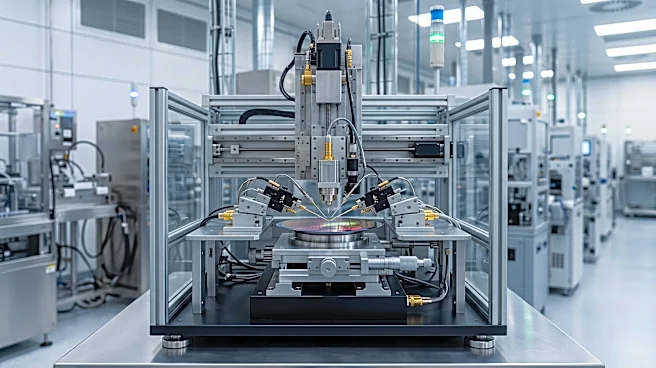
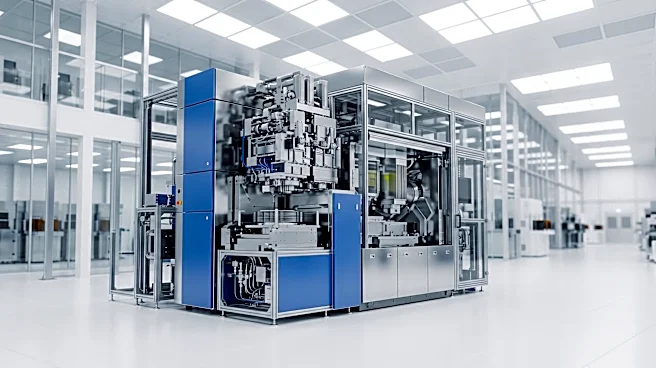
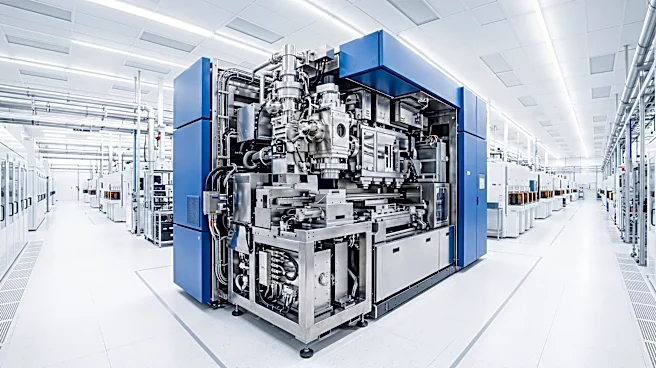
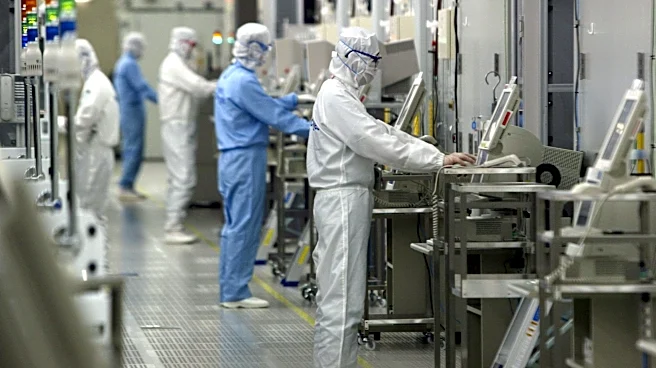
the wafer fab equipment (WFE) market will expand by over 30% next year from 2026, fueled by increased spending on advanced logic chips, DRAM, and advanced packaging. Gary Dickerson, CEO of Applied Materials, noted during a November 12 earnings call that major customers are providing updated demand forecasts and placing orders earlier, with continuous requests for faster production and accelerated deliveries. To meet this escalating demand, Applied Materials plans to double its equipment output by 2028 compared to the fourth quarter of fiscal 2026. Furthermore, the company aims to more than double its manufacturing and research facility capacity by 2030. This expansion is supported by the identification of over 20 new semiconductor fab projects and production line expansions slated for 2027, with many more identified for 2029 and 2030. Despite record revenues, the company has faced short-term supply constraints for certain components, which slightly impacted its revenue forecast for the upcoming quarter.
Why It's Important?
The aggressive expansion plans by Applied Materials underscore the profound impact of AI on the semiconductor industry and the broader U.S. economy. As a critical supplier of equipment for chip manufacturing, Applied Materials' growth signifies robust demand for advanced semiconductors, which are essential for AI development and deployment across various sectors. This surge in demand indicates a sustained period of investment in high-tech infrastructure, potentially leading to job creation in manufacturing and engineering within the U.S. The company's commitment to doubling output and capacity reflects a long-term positive outlook for the semiconductor market, suggesting that the AI boom is not a temporary trend. However, the reported short-term supply constraints highlight potential vulnerabilities in the global supply chain, emphasizing the need for resilience and strategic sourcing to prevent bottlenecks that could impede technological progress and economic growth. The increased investment in advanced logic chips and memory also positions the U.S. to maintain its competitive edge in cutting-edge technology.
What's Next?
Applied Materials is set to continue its rapid expansion, with plans to double equipment output by 2028 and more than double manufacturing and research capacity by 2030. This will involve significant capital expenditure and operational adjustments to scale up production efficiently. The company will likely focus on mitigating current supply chain constraints to fully capitalize on the strong demand. As new semiconductor fabs and production lines come online in 2027, 2029, and 2030, Applied Materials will be a key enabler of these facilities, supplying the necessary equipment. The ongoing collaboration with major customers for demand forecasting and early order placement suggests a proactive approach to managing future growth. The semiconductor industry will be closely watching how Applied Materials executes its expansion plans, as its success will directly influence the ability of chipmakers to meet the escalating global demand for AI-driven technologies.
Beyond the Headlines
The substantial investment and expansion by Applied Materials reflect a broader strategic shift in the global technology landscape, where AI is becoming a foundational element. This development has implications beyond immediate economic gains, touching upon national security and technological sovereignty. The U.S. government has emphasized the importance of domestic semiconductor manufacturing, and companies like Applied Materials are central to achieving these goals. The push for increased capacity and advanced chip production could reduce reliance on foreign supply chains, enhancing national security. Furthermore, the continuous innovation in chipmaking equipment drives the capabilities of AI itself, leading to more powerful and efficient AI systems. This creates a virtuous cycle where advancements in AI fuel demand for better chips, which in turn drives innovation in manufacturing equipment. The ethical considerations surrounding AI development, such as data privacy and algorithmic bias, will also become more prominent as the technology becomes more pervasive, underpinned by these advanced semiconductors.