








What's Happening?
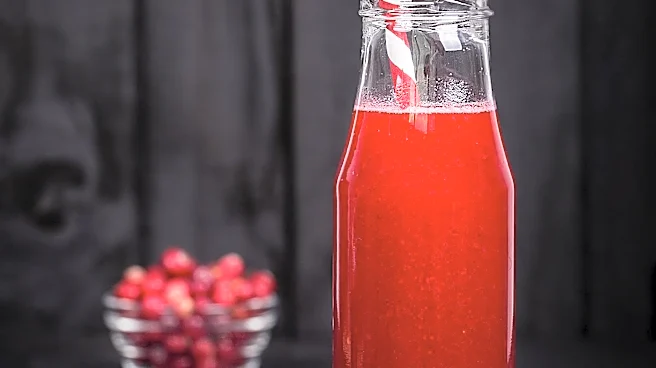
New research indicates that pure, unsweetened cranberry juice may help combat tooth decay by slowing the growth of dental plaque and reducing the production of acids that contribute to enamel erosion. Christine Wu, a researcher at the University of Illinois
Chicago College of Dentistry, led a small human study involving 22 participants (14 children and 8 adults). Participants rinsed with either pure cranberry juice, a cranberry juice cocktail, or plain water. The findings, published in the journal Scientific Reports, suggest that pure cranberry juice interferes with the buildup of bacterial plaque and the production of damaging acids. This effect was observed in both children and adults, with dental plaque exposed to the unsweetened beverage showing slower regrowth and reduced acid production compared to unexposed samples. The study highlights the potential of cranberries' natural compounds, such as proanthocyanidins, which are also known for their anti-inflammatory properties and ability to prevent bacterial attachment in urinary tract infections.
Why It's Important?
This research is significant for public health, particularly in the U.S., where tooth decay remains a prevalent issue. If further studies confirm these findings, cranberry juice could become a readily available and natural dietary intervention to support oral hygiene, potentially reducing the reliance on synthetic dental products or more invasive treatments. The potential for a common beverage to offer such benefits could lead to new recommendations for dietary habits aimed at preventing cavities. This could be especially impactful for children, who are often prone to tooth decay. The study also opens avenues for developing new 'functional beverages' that offer specific health benefits, moving beyond the traditional understanding of fruit juices. This could influence the food and beverage industry to explore and market products with proven oral health advantages, offering consumers more natural options for preventative care.
What's Next?
Further investigation is necessary to determine if regular consumption of cranberry juice can effectively prevent cavities or lead to lasting improvements in dental health. The current study, with its limited number of participants and short testing period, provides promising initial results but does not establish long-term efficacy. Larger, more extensive studies conducted over longer durations will be required to validate these findings and understand the full scope of cranberry juice's impact on oral health. Researchers may also explore ways to make pure cranberry juice more palatable, potentially through appropriate sugar substitutes, to encourage wider adoption as a mouth rinse or dietary supplement for oral care. The findings could also spur the development of new cranberry-derived oral health products.
Beyond the Headlines
The study's implications extend beyond just dental health, touching upon the broader concept of food as medicine. It underscores the potential of natural compounds found in everyday foods to offer significant health benefits, challenging the perception that only pharmaceutical interventions can address health issues. This research could encourage a greater focus on dietary approaches to preventative health, prompting consumers and healthcare providers to consider the therapeutic properties of natural ingredients. Furthermore, the distinction between pure cranberry juice and cranberry juice cocktail in the study highlights the importance of ingredient purity and the potential negative impact of added sugars, even in seemingly healthy products. This could lead to increased consumer demand for 'clean label' products and greater scrutiny of food processing and additive use.