






What's Happening?
Airbnb CEO Brian Chesky has announced a new Housing Accelerator initiative, committing an initial $250 million to support stalled housing projects across the United States. The first investment from this initiative, totaling $6.4 million, is directed
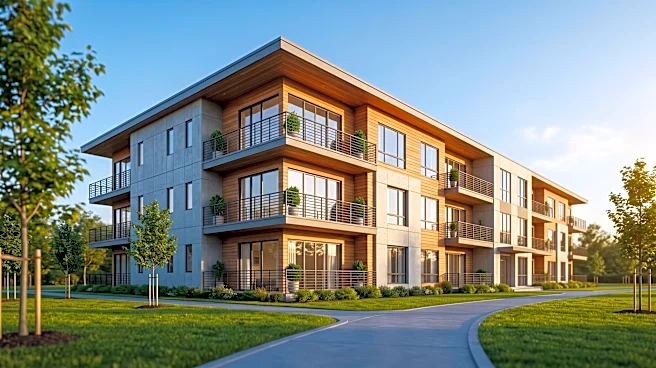
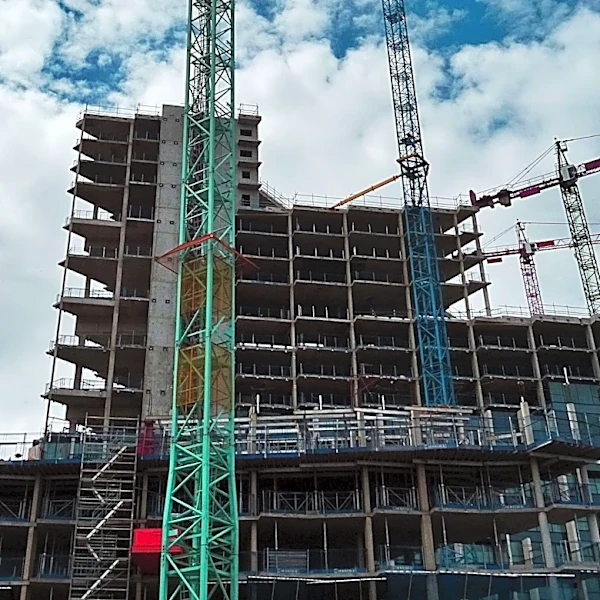
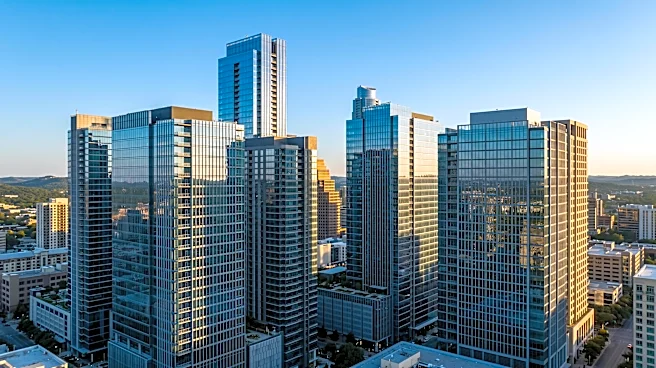
towards a long-delayed redevelopment project in Austin, Texas. This funding aims to provide 'last-dollar' financing, which is incremental capital designed to help projects that have largely completed permits and other requirements to finally break ground. The Austin project, located at 800 E. St. John Ave., will create 201 income-restricted apartments and is part of a larger plan that includes a separate 325-unit mixed-income development, retail space, a park, and public art. According to KEYE, none of the new homes built under this initiative will be allowed to operate as short-term rentals. Chesky emphasized that Airbnb listings constitute a very small fraction of the overall housing market, stating that in Austin, they account for about one-half of 1% of homes.
Why It's Important?
This initiative is significant as it directly addresses the critical housing affordability crisis in the U.S. by injecting capital into projects that are otherwise stalled due to financing gaps. By focusing on 'last-dollar' financing, Airbnb aims to unlock over $5 billion in capital for housing construction over the next decade, potentially accelerating the delivery of thousands of new homes. The commitment to prohibit short-term rentals in these new developments also signals Airbnb's acknowledgment of concerns regarding its platform's impact on housing supply and affordability. This move could encourage other large corporations to invest in community development projects, fostering public-private partnerships to tackle complex urban challenges. For cities like Austin, which are experiencing rapid growth and housing shortages, such investments are crucial for expanding the availability of affordable housing options for residents.
What's Next?
Following the initial investment in Austin, Airbnb plans to identify and support additional stalled housing projects across other U.S. markets. The company has indicated that it is actively looking for the next projects to fund under the Housing Accelerator. Beyond direct capital investment, the initiative also includes a $5 million prize for companies developing innovative technologies to make home construction faster and cheaper. Furthermore, Airbnb will support policy efforts aimed at reforming zoning, permitting, and building codes, collaborating with local advocacy groups like AURA in Austin. The broader Austin redevelopment project, which includes the 201 affordable apartments, is anticipated to be fully delivered by 2028. Airbnb also plans to launch an 'Airbnb City Index' dataset later in 2026, providing open-source data for journalists, researchers, and policymakers to better understand urban development trends.
Beyond the Headlines
Airbnb's Housing Accelerator initiative represents a strategic shift for the company, moving beyond its core business model to actively participate in solving broader societal issues like housing affordability. This move could be seen as an effort to enhance its corporate social responsibility profile and mitigate negative perceptions that its platform exacerbates housing shortages in some areas. By investing in long-term housing solutions and supporting policy reforms, Airbnb is attempting to position itself as part of the solution rather than solely a contributor to the problem. This initiative could also set a precedent for other tech companies to leverage their resources and influence to address urban challenges, potentially leading to more collaborative efforts between the private sector, local governments, and community organizations in tackling complex issues like housing, infrastructure, and sustainable development.