





What's Happening?
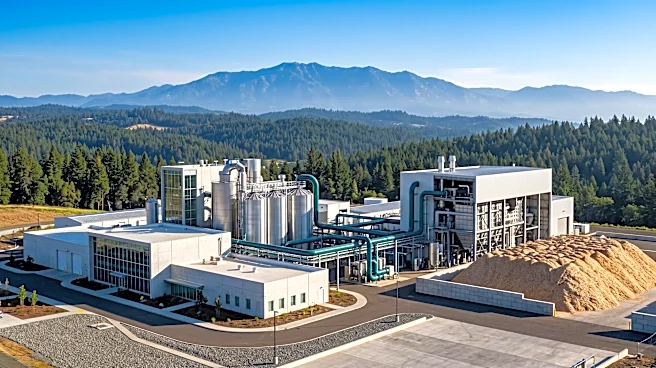
Allotrope Cellulosic Development Company (ACDC) is proposing to construct a roughly $550 million biorefinery at a former Roseburg sawmill site located south of Anderson, California. This industrial brownfield, which ceased sawmill operations around 1980,
is being considered for a facility designed to convert wood waste from forest management projects into renewable fuels and other products. The proposed biorefinery would primarily utilize wood waste generated through forest management and fire-reduction initiatives. According to Bob Hambrecht, a partner with ACDC, the facility would break down wood to release sugars that can be fermented into ethanol. Additionally, the plant would produce renewable natural gas and bioplastics from other wood components. Shasta County was chosen for its location within a significant timber region and the extensive forest management activities in the surrounding area, including the Shasta-Trinity National Forest, Mount Shasta, and Lassen. ACDC has also secured agreements with large forest landowners, loggers, and groups working in national forests to ensure a consistent supply of material, supplemented by almond wood from orchard removals in the northern Central Valley during winter months.
Why It's Important?
This proposed $550 million biorefinery project holds significant importance for the U.S. economy, particularly in the renewable energy and forestry sectors. By converting wood waste into renewable fuels like ethanol and natural gas, and bioplastics, the facility addresses the growing demand for sustainable energy sources and reduces reliance on fossil fuels. This initiative also directly supports forest management and fire-reduction efforts, which are crucial for mitigating wildfire risks in regions like Shasta County. The project is estimated to generate approximately 200 permanent direct and indirect jobs, along with around 500 construction jobs, providing a substantial economic boost to the local community. Furthermore, it is projected to generate roughly $170 million in annual economic activity and tax revenue. The creation of a market for wood waste incentivizes forest thinning across an estimated 10,000 to 20,000 acres annually, which could lead to reduced wildfire danger and potentially lower insurance premiums for residents, although the exact quantification of these benefits is still being assessed. This project represents a revitalization of the base industry in the community, offering a sustainable solution for wood waste management and contributing to regional economic stability.
What's Next?
The biorefinery project is currently in the process of securing financing and permits. ACDC is working towards the final stage of engineering, which is necessary to pursue permanent financing for the approximately $550 million project. The company anticipates that the majority of the funding will come from private sources through debt and equity. ACDC has also obtained a U.S. Department of Agriculture loan guarantee, intended to attract private debt investors. Concurrently, the company is in the early stages of the approval process, collaborating with Shasta County on the environmental review. If financing and permitting proceed as planned, ACDC hopes to commence construction in late 2027 or early 2028, with the facility potentially becoming operational by mid-2029. The project's progression hinges on successfully navigating these financial and regulatory hurdles, with ongoing efforts to secure capital and obtain necessary approvals.
Beyond the Headlines
The proposed biorefinery project extends beyond its immediate economic and environmental benefits, touching upon deeper implications for regional development and resource management. The initiative highlights a shift towards viewing forest waste not as a liability, but as a valuable resource for bio-based products, fostering a circular economy model. This approach could set a precedent for other timber-rich regions grappling with forest health and wildfire challenges. Ethically, the project aligns with sustainability goals by promoting responsible forest management and reducing carbon emissions through renewable fuel production. Culturally, it represents a potential revitalization of the timber industry in a new form, moving from traditional sawmilling to advanced biorefining, which could reshape local identities and skill sets. The long-term success of such projects could also influence public policy, encouraging further investment in bioenergy infrastructure and incentivizing forest restoration efforts. The reliance on a U.S. Department of Agriculture loan guarantee underscores the role of government support in de-risking innovative, large-scale green projects, potentially paving the way for similar public-private partnerships in the future.