

What's Happening?
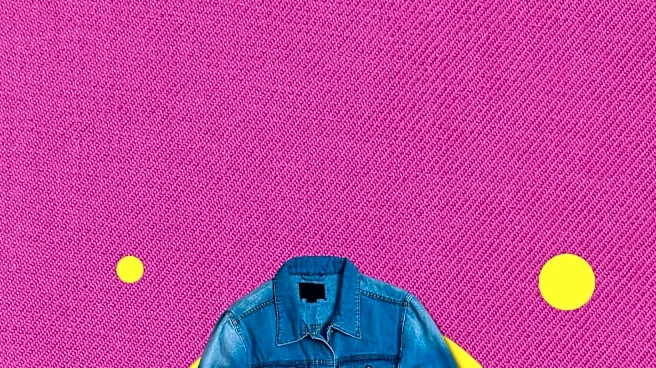
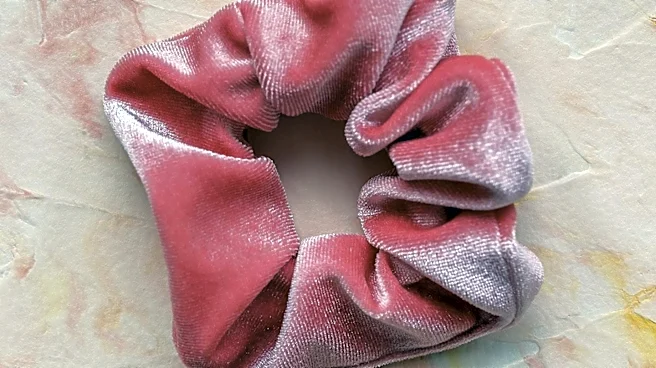
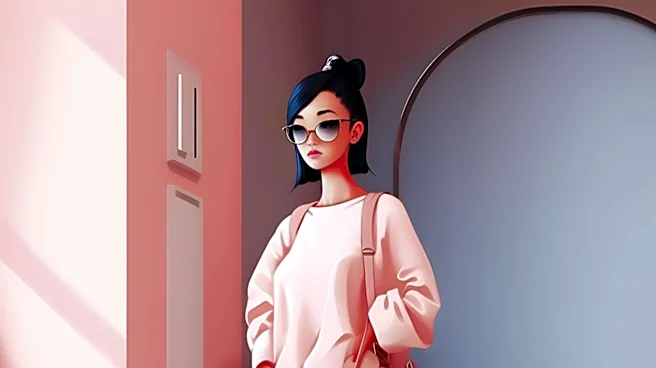
The early 2000s, often referred to as the Y2K era, are experiencing a significant revival in fashion and beauty trends. This resurgence is marked by the renewed popularity of styles such as low-rise denim shorts and dresses inspired by romantic comedies.
Beyond mainstream fashion, the revival also encompasses the reinterpretation of Japanese subcultures like Gyaru and Lolita. These styles, known for their excessive and expressive elements, are being rediscovered and adapted by a new generation, particularly through online platforms. The internet plays a crucial role in this revival, with younger audiences accessing archived street-style photographs, magazine scans, and vintage advertisements to draw inspiration. This isn't merely a nostalgic recreation but a reinterpretation, where current influences reshape these past aesthetics into new, relevant forms.
Why It's Important?
This Y2K revival signifies a broader cultural shift away from recent minimalist and 'quiet luxury' aesthetics towards more expressive and individualistic fashion. The return of styles like Gyaru and Lolita, which emphasize bold makeup, elaborate accessories, and distinct silhouettes, challenges the rapid, often fleeting, micro-trends prevalent in online fashion. This movement allows individuals to embrace 'excess' as a form of freedom and self-expression, moving beyond the pressure to conform to easily digestible, algorithm-driven trends. It highlights the power of digital archives in shaping contemporary culture, enabling global access to niche historical styles and fostering new interpretations. This trend suggests a desire for fashion that provides a complete identity system, offering not just clothing but also an approach to beauty, confidence, and community, which many contemporary aesthetics fail to provide.
What's Next?
The continued evolution of the Y2K revival is likely to see further integration of these expressive styles into mainstream fashion, albeit with modern twists. Social media platforms will remain central to this trend, as the transformative nature of these aesthetics (e.g., makeup and outfit transformations) is highly suited for visual content. We can expect more designers and brands to draw inspiration from the early 2000s, leading to new collections that blend Y2K elements with contemporary design. The global reach of the internet will also continue to foster diverse local interpretations of these styles, moving beyond their original geographical and cultural contexts. This ongoing reinterpretation suggests that the Y2K aesthetic will not be a fleeting trend but a sustained influence, encouraging a more playful and bold approach to personal style.
Beyond the Headlines
The Y2K revival, particularly the re-emergence of Gyaru and Lolita, points to a deeper societal yearning for authenticity and individuality in an increasingly homogenized digital landscape. These styles, which historically challenged conventional norms and celebrated visual excess, offer a powerful counter-narrative to the 'effortless' and often uniform aesthetics promoted by fast fashion and social media algorithms. The emphasis on constructing a complete identity through fashion, rather than simply following trends, reflects a desire for deeper engagement with personal style. This movement also underscores the evolving relationship between historical archives and contemporary creativity, demonstrating how past cultural expressions can be revitalized and imbued with new meaning by subsequent generations, fostering a sense of empowerment and community through shared aesthetic values.