




What's Happening?
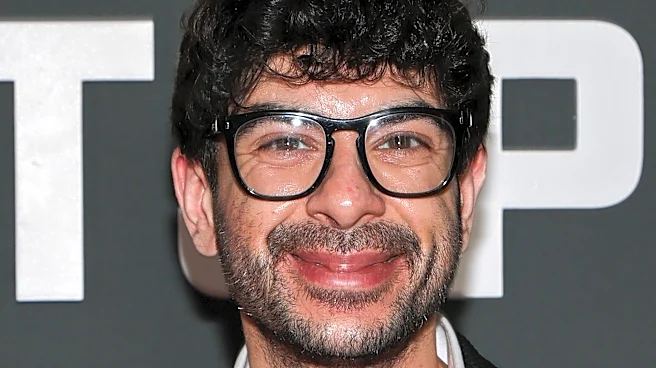
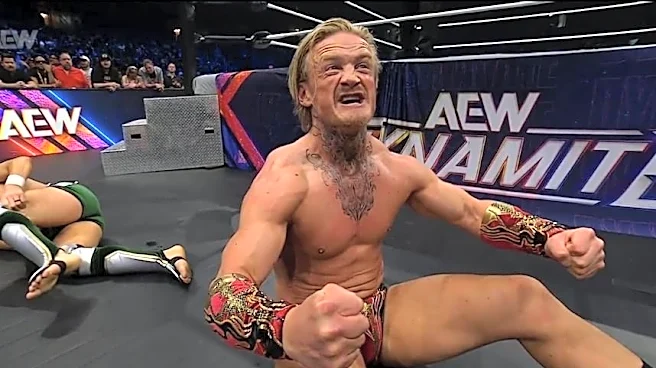
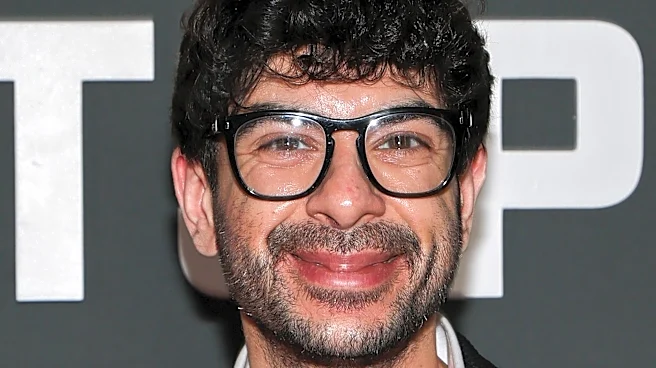
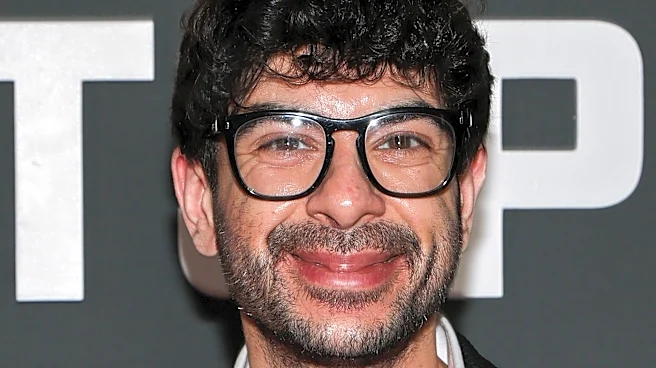
Tony Khan, the owner of All Elite Wrestling (AEW), arranged for talent, including Big Boom AJ and the debuting Kasper Brothers, to travel to the AEW Full Gear event via private jet. This measure was taken to circumvent widespread travel disruptions caused
by an FAA ground stop that occurred the Friday before the Saturday event. Big Boom AJ confirmed that Khan was determined to ensure all planned talent made it to the event, despite the logistical challenges. He recounted traveling with other wrestlers on Khan's private jet, highlighting Khan's commitment to the show. Other talents, such as The Young Bucks, resorted to driving from Los Angeles to make it to the event, underscoring the significant efforts made by individuals and the organization to proceed with the scheduled card. Khan had publicly announced prior to Full Gear that all main card participants had successfully arrived.
Why It's Important?
This incident highlights the significant operational challenges that can impact live entertainment events, particularly those relying on extensive travel for participants. Tony Khan's proactive and costly decision to use private air travel demonstrates a commitment to event integrity and fan experience, preventing potential cancellations or significant alterations to the AEW Full Gear card. Such actions can bolster a promotion's reputation for reliability and resourcefulness in the face of unforeseen obstacles. For the talent involved, it ensures their ability to perform and fulfill contractual obligations, while also showcasing the lengths to which management will go to support them. The broader implications touch upon the resilience of the entertainment industry in managing external disruptions, setting a precedent for how similar situations might be handled in the future to maintain scheduled programming and audience engagement.
What's Next?
While the immediate crisis of travel disruptions for AEW Full Gear has passed, the event underscores the ongoing need for contingency planning in large-scale live events. AEW and similar organizations may review and refine their emergency travel protocols to mitigate future disruptions, especially given the unpredictable nature of air travel and other logistical challenges. This could involve establishing clearer communication channels with talent regarding travel alternatives or pre-arranging backup transportation options. For AEW, maintaining a reputation for delivering on its promises, even under duress, will be crucial as it continues to compete in the professional wrestling landscape. The positive sentiment generated by Khan's actions could also influence talent relations and recruitment, as performers may view AEW as an organization that prioritizes their ability to perform.
Beyond the Headlines
The use of private jets by sports and entertainment organizations to overcome logistical hurdles points to a broader trend of resource mobilization to protect high-value events. This approach, while effective, also raises questions about sustainability and accessibility in the long term. For smaller organizations or those with fewer resources, such solutions might not be feasible, creating a disparity in their ability to manage similar crises. Furthermore, the incident subtly highlights the intricate logistics involved in coordinating large-scale live events, often unseen by the public. It also reinforces the notion that in the competitive entertainment industry, the show must go on, often at significant financial and logistical cost, to maintain audience trust and market position. This commitment to continuity can be a defining characteristic of successful ventures in the live event sector.