






What's Happening?
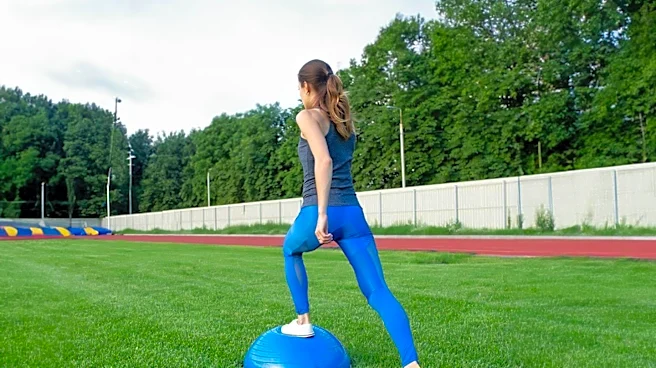
Balance board exercises are gaining recognition for their effectiveness in strengthening the core and improving overall stability. These exercises, which range from basic planks to more dynamic movements like side planks, toe taps, and mountain climbers,
offer variations for both beginners and advanced users. The Whirly Board, for instance, provides a 360-degree movement that engages the body and helps maintain focus. This type of movement is particularly beneficial for individuals who spend long hours in static positions, such as those working at a desk. The continuous engagement provided by balance boards helps in blood circulation and mental focus, offering a productive outlet for physical energy. The integration of balance board exercises into daily routines can lead to noticeable improvements in stress levels and overall wellness, as reported by users tracking their health metrics.
Why It's Important?
The emphasis on core strength and stability through balance board exercises is crucial for a wide range of individuals, from athletes to those seeking general wellness. A strong core is fundamental for good posture, balance, and resilience against injuries. For professionals whose jobs require long periods on their feet or sudden physical demands, incorporating such exercises can prevent issues like knee pain and improve readiness for physical tasks. Beyond physical benefits, the continuous movement offered by balance boards can be a significant advantage for individuals with conditions like ADHD, providing a physical outlet that aids mental focus and reduces stress. This approach to fitness highlights the importance of integrating movement into daily life, especially in an increasingly sedentary world, to support both physical and mental well-being.
What's Next?
As awareness of the benefits of balance board exercises grows, it is anticipated that more individuals and workplaces will explore integrating these tools into their routines. The ease of portability and the ability to perform these exercises without extensive equipment make them an accessible option for many. Fitness professionals may increasingly recommend balance boards as part of comprehensive training programs, particularly for core conditioning and injury prevention. Further research into the specific neurological and physiological impacts of 360-degree movement on focus and stress reduction could also lead to broader applications in therapeutic and educational settings. The continued development of user-friendly and customizable balance board options will likely expand their adoption across various demographics.
Beyond the Headlines
The rise of balance board exercises points to a deeper cultural shift towards holistic wellness and the recognition of the interconnectedness of physical and mental health. In an era dominated by digital work and sedentary lifestyles, tools that encourage subtle yet continuous physical engagement are becoming invaluable. The personal testimonials, such as those from catastrophe adjusters or individuals with ADHD, underscore the profound impact that seemingly simple physical activities can have on daily productivity, stress management, and overall quality of life. This trend suggests a growing appreciation for functional fitness that goes beyond aesthetic goals, focusing instead on enhancing the body's natural mechanics and supporting cognitive functions. It also highlights the potential for innovative fitness solutions to address modern lifestyle challenges.