




What's Happening?
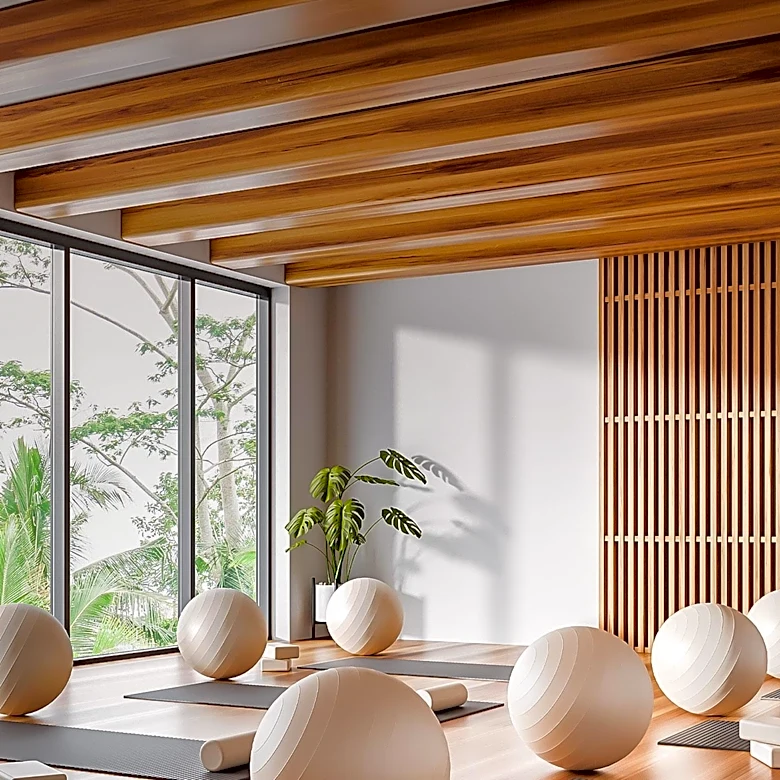
Zen spaces are designed to promote well-being through simplicity, naturalness, and mindfulness, drawing from Japanese aesthetics and phenomenology. These spaces focus on creating environments that encourage regular movement, contemplative practices, and sensory
quality. The concept values order, weathering, silence, and care, aiming to align perception, character, relationships, place, and practice for a more fulfilling existence. The approach is rooted in ancient Greek and East Asian traditions, emphasizing harmony, ritual cultivation, and the refinement of attention. The modern evidence base supports the idea that well-being is multidimensional, involving autonomy, environmental mastery, purpose, growth, positive relations, and self-acceptance.
Why It's Important?
The significance of Zen spaces lies in their potential to enhance well-being by integrating aesthetic and philosophical principles into daily life. By fostering environments that support mental and physical health, these spaces can contribute to improved quality of life. The approach aligns with contemporary research on well-being, which highlights the importance of autonomy, competence, and relatedness. Zen spaces offer a framework for individuals and communities to cultivate beauty as a public-health, ethical, and cultural project, rather than merely a personal preference. This holistic approach can lead to more coherent, vivid, and humane living experiences.
What's Next?
The future of Zen spaces involves expanding their application in both personal and community settings. For individuals, incorporating regular movement, contemplative practices, and sensory quality at home can enhance well-being. Communities can benefit from creating safe and accessible green spaces, walkable local services, and cultural participation infrastructure. The goal is to treat beauty as a public-health initiative, ensuring that people have the material security, aesthetic contact, social connection, and agency needed to shape their environments and rituals. This approach encourages a shift from luxury and visual perfection to a more sustainable and inclusive understanding of beauty.
Beyond the Headlines
Zen spaces challenge traditional notions of beauty by emphasizing impermanence, incompletion, and restraint. This perspective encourages a deeper appreciation for the lived experience and ordinary routines, rather than focusing solely on masterpieces or luxury. The approach also highlights the importance of cultural variation, recognizing that beauty and well-being are influenced by diverse cultural contexts. By promoting inclusivity and accessibility, Zen spaces aim to democratize beauty, making it a shared experience rather than a privilege. This shift has the potential to transform societal values and priorities, fostering a more equitable and compassionate world.