







What's Happening?
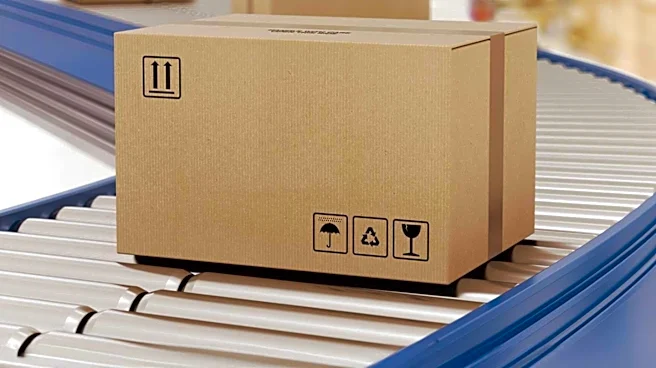
Third-party warehousing (3PL) involves businesses outsourcing their storage and related warehouse operations to external logistics providers. This model allows companies to avoid the significant investments associated with owning, leasing, and managing
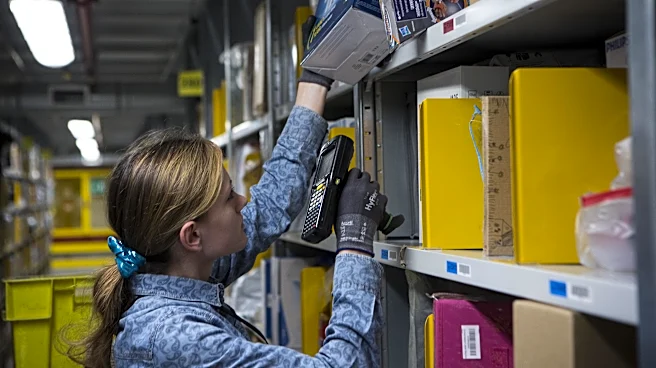
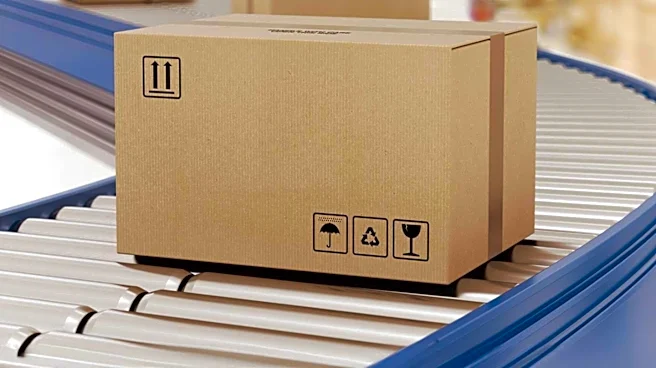
their own warehouse facilities. Instead, 3PL providers handle inventory storage, receiving, picking, packing, and distribution support. Common services include inventory storage, receiving and inspection, inventory management, order fulfillment, picking and packing, distribution coordination, and value-added services like labeling and repacking. This approach is particularly beneficial for businesses facing challenges such as rising warehouse expenses, limited storage capacity, and complex inventory management. By partnering with a 3PL provider, businesses can access professional warehouse services and integrated supply chain solutions, enabling them to focus on their core activities. The flexibility offered by 3PL allows businesses to scale storage capacity according to demand, which is crucial during seasonal peaks or promotional campaigns without incurring permanent infrastructure costs.
Why It's Important?
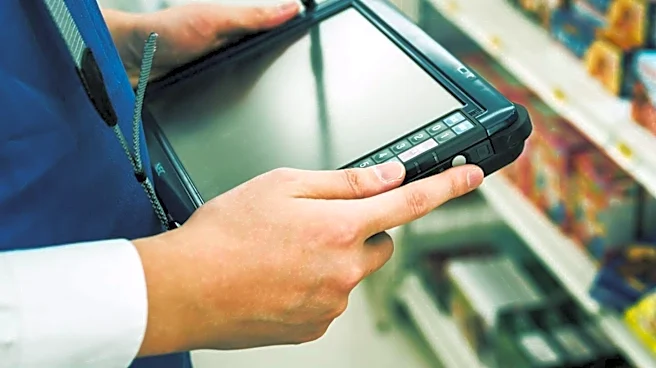
The adoption of third-party warehousing is crucial for U.S. businesses seeking to optimize their supply chains and reduce operational costs. By outsourcing warehousing, companies can significantly cut down on expenses related to property, equipment, utilities, security, personnel, and maintenance, freeing up capital for other strategic investments like sales, production, and marketing. This model also provides access to professional warehouse management, which improves inventory accuracy, reduces misplaced products, and prevents delayed orders. Enhanced inventory visibility through modern warehouse management systems (WMS) allows for real-time tracking of stock levels and movement, leading to better purchasing and replenishment decisions. For businesses operating in dynamic markets, the ability to scale storage capacity up or down based on demand offers a competitive advantage, ensuring they can respond to market fluctuations without over-investing in fixed assets. Streamlined order fulfillment and distribution processes, managed by experienced 3PL providers, lead to improved order accuracy, faster deliveries, and higher customer satisfaction, which are critical for business growth and reputation.
What's Next?
The trend towards third-party warehousing is expected to continue growing as businesses increasingly seek efficiency and cost-effectiveness in their logistics operations. Future developments in 3PL will likely involve greater integration of advanced technologies such as Artificial Intelligence (AI) and predictive analytics for demand forecasting and warehouse planning. Automation technologies, including automated picking and sorting systems, will become more prevalent to enhance productivity and reduce manual labor. Businesses will also demand real-time inventory visibility and integrated logistics solutions that cover freight forwarding, customs brokerage, warehousing, fulfillment, and transportation from a single provider. This integrated approach aims to simplify supply chain management and improve communication across all operational stages. Furthermore, there will be a growing emphasis on sustainable warehouse operations, with providers adopting energy-efficient lighting, improved facility design, and waste reduction strategies to minimize environmental impact. Companies will need to carefully evaluate 3PL providers based on their technological capabilities, service scope, security measures, and ability to adapt to evolving business needs.
Beyond the Headlines
Beyond the immediate operational benefits, the widespread adoption of third-party warehousing signifies a broader shift in business strategy towards specialization and core competency focus. Companies are increasingly recognizing that managing complex logistics is a specialized field best handled by experts, allowing them to concentrate resources on product innovation, market development, and customer relationships. This outsourcing trend also has significant implications for the labor market, potentially shifting demand from in-house warehouse staff to specialized logistics professionals employed by 3PL providers. Ethically, businesses must ensure their chosen 3PL partners adhere to fair labor practices and maintain high safety standards. Legally, robust service-level agreements (SLAs) are crucial to define responsibilities, performance expectations, and accountability for inventory accuracy and security. Culturally, this shift fosters a more collaborative business environment where partnerships are key to supply chain resilience and efficiency, moving away from purely in-house operational models. The long-term impact could be a more agile and responsive global supply chain, better equipped to handle disruptions and meet evolving consumer demands.