







What's Happening?
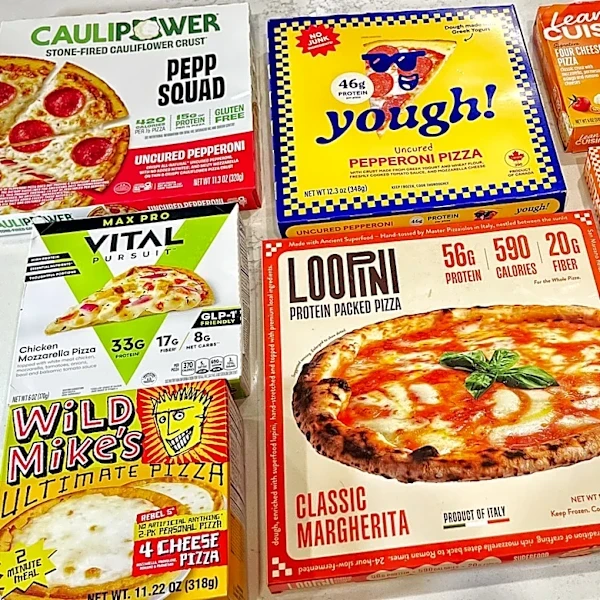
The snacking industry is undergoing a significant transformation, with a new emphasis on health and nutritional value. This shift means that nutrition is no longer a niche offering but a fundamental expectation for consumers. Brands are actively reformulating
everyday snacks to incorporate higher levels of protein and fiber while simultaneously reducing sugar content. This reformulation effort also addresses the need to maintain indulgence, meet stringent clean-label requirements, and comply with evolving regulatory demands. The challenge for manufacturers is to achieve these nutritional improvements without compromising taste, texture, or consumer familiarity. This trend is driven by factors such as new wave indulgence, smarter sugar reduction strategies, and the increasing influence of GLP-1 weight-management needs, which are reshaping consumer preferences and market dynamics.
Why It's Important?
This evolution in snacking has significant implications for the U.S. food industry, public health, and consumer behavior. The focus on higher protein and fiber, coupled with reduced sugar, directly addresses growing concerns about obesity, diabetes, and overall dietary health in the U.S. Food manufacturers that successfully adapt to these demands stand to gain market share, while those that lag may face declining sales. The emphasis on clean labels and regulatory compliance also means increased scrutiny on ingredient sourcing and processing, potentially leading to more transparent and healthier product offerings across the board. Consumers, particularly those focused on weight management or general wellness, will benefit from a wider array of healthier snack options that do not sacrifice taste, potentially leading to improved dietary habits nationwide. This trend also highlights the power of consumer demand and scientific advancements in shaping the food landscape.
What's Next?
Looking ahead, the snacking industry will likely see continued innovation in ingredient science and food technology to meet these evolving demands. Research and development efforts will intensify to find novel ways to enhance nutritional profiles, reduce sugar, and improve texture and taste without relying on artificial additives. We can expect to see new product launches featuring alternative sweeteners, plant-based proteins, and fiber-rich ingredients. Regulatory bodies may also introduce new guidelines or update existing ones to support healthier food formulations and clearer labeling, further influencing product development. Consumer education campaigns about the benefits of healthier snacking are also probable, driven by both public health organizations and brands seeking to differentiate their products. The market will likely become more competitive as companies vie to offer the most appealing and nutritionally sound snack options.
Beyond the Headlines
The shift towards next-gen snacking reflects a broader cultural movement towards proactive health management and a more informed consumer base. This trend extends beyond mere product reformulation; it signifies a fundamental change in how food is perceived and consumed. The ethical dimension involves companies taking greater responsibility for the health impact of their products, moving away from purely profit-driven motives to a more balanced approach that considers societal well-being. Legally, this could lead to more stringent regulations on marketing unhealthy snacks, particularly to children, and increased pressure for transparent ingredient lists. Culturally, it reinforces the idea that food is medicine and that everyday choices have long-term health consequences. This development could also spur innovation in sustainable food production and sourcing, as consumers increasingly demand products that are not only healthy but also environmentally friendly, leading to a more holistic approach to food systems.