

What's Happening?
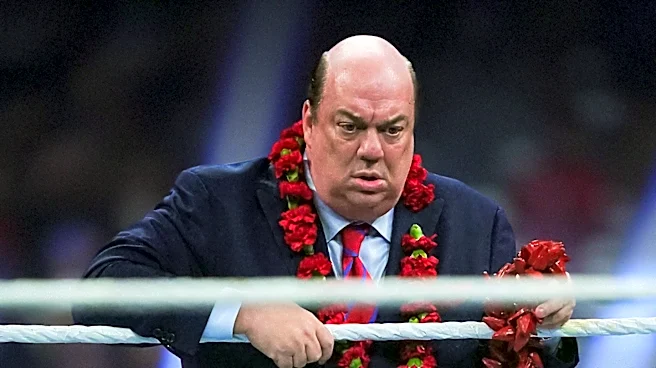
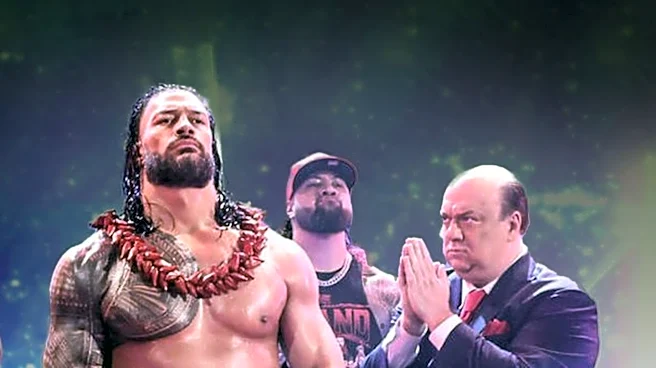
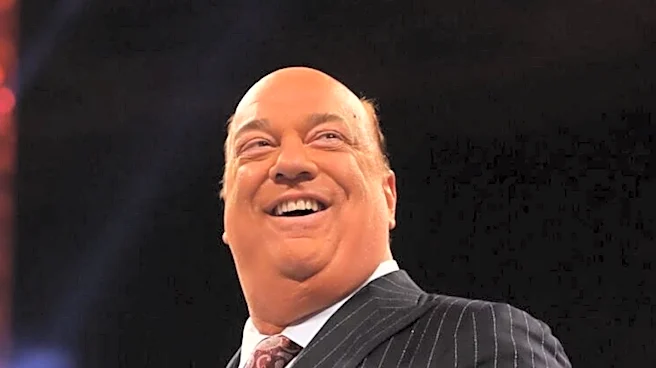
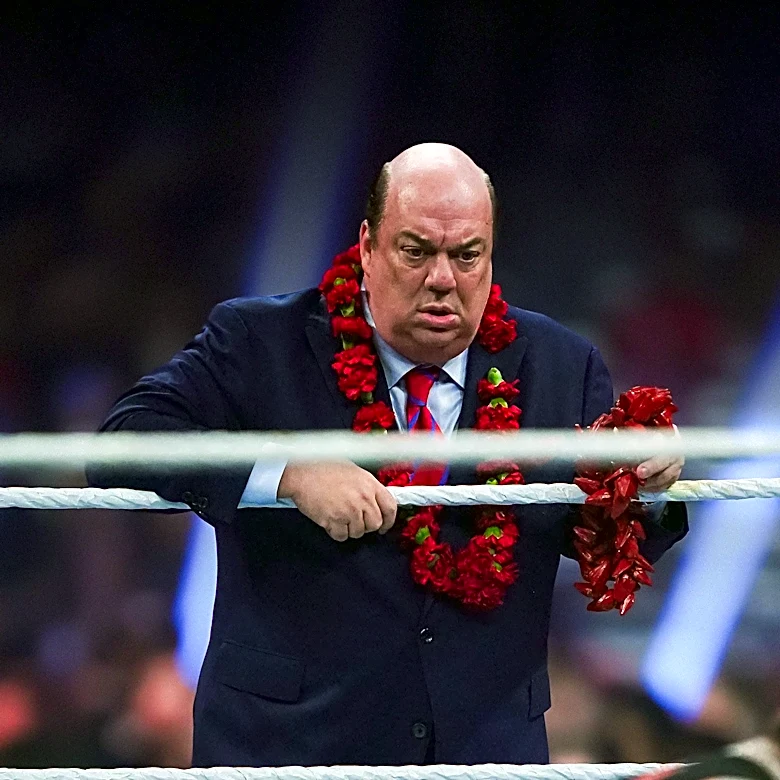
WWE veteran Paul Heyman recently provided a revealing perspective on his former boss, Vince McMahon, during an interview. Heyman acknowledged McMahon's significant accomplishments in building WWE but suggested that McMahon never prioritized being perceived
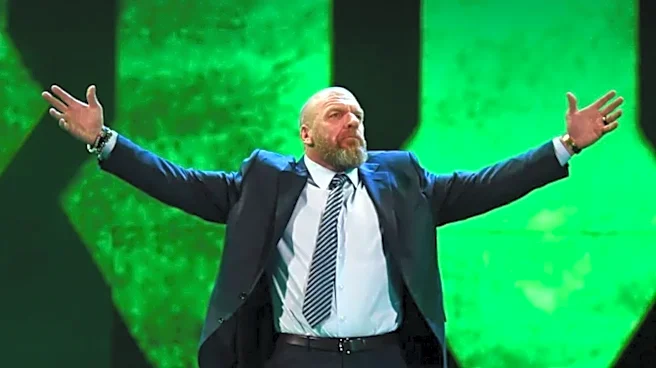
as a 'good man.' According to Heyman, McMahon viewed himself as a 'supremely complicated human being of great accomplishment' and did not consider being a good person as part of his self-judgment. Heyman also detailed a significant professional disagreement in 2006 when WWE relaunched Extreme Championship Wrestling (ECW). Heyman claimed he was initially put in charge of the brand but McMahon almost immediately began stripping him of creative authority, turning it into a 'personal battle' that negatively impacted the product and company. Heyman contrasted McMahon's 'dictator' approach with the collaborative style of current WWE creative leader Paul 'Triple H' Levesque, whom he praised as the 'best editor' he has ever worked with.
Why It's Important?
Heyman's insights offer a rare, firsthand account of the leadership dynamics within WWE under Vince McMahon, a figure who profoundly shaped the professional wrestling industry in the U.S. His comments highlight the intense, often confrontational, environment that characterized McMahon's creative process. This perspective is crucial for understanding the historical trajectory of WWE and its evolution under new leadership. The comparison between McMahon's dictatorial style and Triple H's collaborative approach signals a significant cultural shift within the company, potentially influencing future creative directions and talent relations. For fans and industry observers, these revelations shed light on the personal and professional challenges faced by those working closely with McMahon, and how such dynamics impacted the on-screen product and the company's overall direction.
What's Next?
The candid remarks from Paul Heyman could further shape public perception of Vince McMahon's legacy, particularly as WWE continues its transition under new leadership. While McMahon's accomplishments are undeniable, Heyman's comments reinforce a narrative of a challenging and demanding leader. This might lead to more discussions within the wrestling community about the long-term effects of McMahon's management style on talent and creative output. The praise for Triple H's collaborative approach could also set expectations for a more open and talent-friendly environment in WWE, potentially attracting new talent or retaining existing stars who prefer a less confrontational creative process. Future interviews with other WWE veterans might echo or expand upon Heyman's observations, contributing to a more comprehensive understanding of the company's past and present culture.
Beyond the Headlines
Beyond the immediate implications for WWE's internal dynamics, Heyman's commentary touches on broader themes of leadership, power, and creative control in high-stakes entertainment industries. The tension between a singular, autocratic vision and a collaborative approach is a recurring challenge in many creative fields. McMahon's alleged disinterest in being perceived as a 'good man' raises questions about the ethical considerations and personal sacrifices often made in the pursuit of immense professional success. This narrative could spark discussions about the nature of ambition and the qualities valued in powerful leaders. The shift towards a more collaborative model under Triple H might reflect a broader trend in corporate leadership, emphasizing teamwork and diverse perspectives over singular authority, potentially influencing how other entertainment companies structure their creative processes.