







What's Happening?
The Fort Worth Community Market is actively supporting local vendors and fostering community engagement by providing a platform for small businesses and artisans. Held every second Sunday of the month at the South Main Micro Park, the market offers a diverse
range of products, from fresh produce and baked goods to handcrafted ceramics and trinkets. Vendors like Walnut Creek Farm emphasize transparency in their offerings, selling hormone-free, antibiotic-free, pesticide-free, and herbicide-free items. Stone’s Throw Farm Co., a family-owned business, provides employment opportunities for individuals with special needs, selling produce, jams, and pickles. The market also features artists such as J.C. Neihardt of Semi Soft Studios, who sells pottery. Shoppers and vendors alike highlight the market's role in connecting local people and creating a sense of community. Other farmers markets in Tarrant County, including the Clearfork Farmers Market and the Cowtown Farmers Market, also contribute to this local economic ecosystem.
Why It's Important?
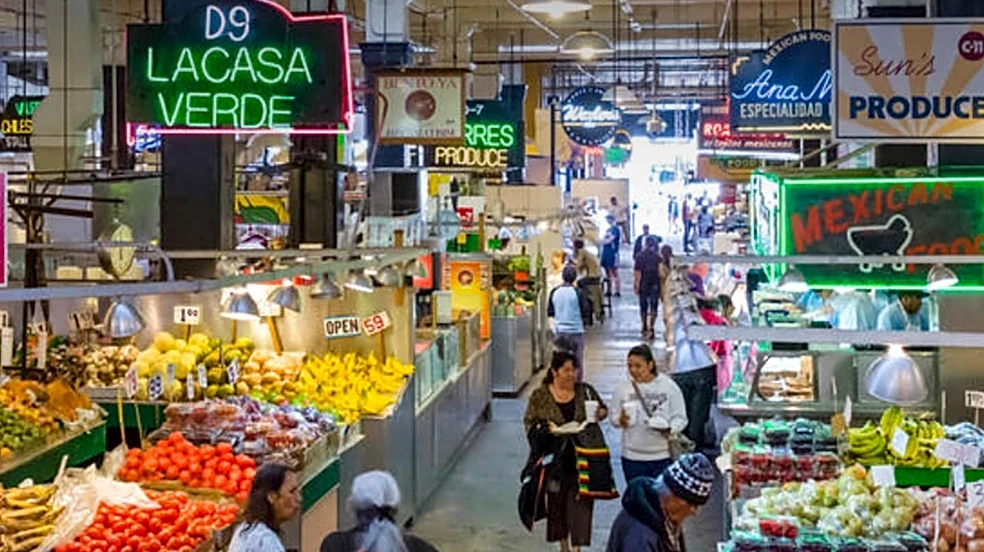
The Fort Worth Community Market and similar local markets play a crucial role in the U.S. economy by supporting small businesses and promoting local commerce. These markets offer direct sales opportunities for farmers and artisans, allowing them to reach consumers without intermediaries and retain a larger share of their profits. This direct-to-consumer model strengthens local economies, encourages sustainable practices, and provides consumers with access to fresh, locally sourced products. Furthermore, these markets serve as vital community hubs, fostering social connections and a sense of belonging among residents. The inclusion of businesses like Stone’s Throw Farm Co., which employs individuals with special needs, also underscores the social impact of these markets, providing meaningful work and contributing to a more inclusive economy. The success of these markets demonstrates a growing consumer preference for local, transparent, and community-oriented purchasing options.
What's Next?
The continued popularity of community markets suggests a sustained demand for local products and community-focused shopping experiences. Organizers may explore expanding market hours, increasing the number of vendors, or introducing new attractions to draw more visitors. The success of these markets could also inspire other communities to establish similar initiatives, further bolstering local economies nationwide. As consumer awareness about sustainable and ethically sourced products grows, these markets are likely to see continued growth and support. The emphasis on community and direct interaction between producers and consumers is a trend that could influence broader retail strategies and local economic development efforts.