




What's Happening?
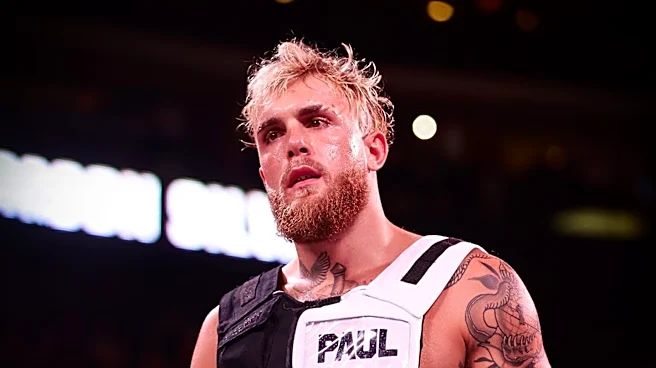
Jake Paul's media company is under increased scrutiny following a public dispute with retired MMA fighter Ben Askren regarding an injury-related hospital bill after a boxing match. Paul, who has built a billion-dollar media enterprise by converting his
online following into various revenue streams including promotional sports content, treats these boxing events as premium content designed to attract subscriptions and viewership. The incident with Askren has brought to light the financial aftermath of high-profile influencer-led events, sparking a broader conversation about responsibility, risk, and monetization within the influencer economy. Askren publicly detailed substantial medical expenses incurred after the bout, questioning the fiscal responsibility of the event organizers. Paul addressed these criticisms through his social media channels, framing the discussion within his brand and business model, emphasizing the inherent risks and rewards of the influencer-led sports landscape where personalities often manage the financial and logistical fallout themselves.
Why It's Important?
This dispute highlights the evolving landscape where entertainment and professional sports increasingly blur, and traditional regulatory frameworks struggle to keep pace with new business models. The case underscores the monetization of personal brands and the expectation that influencers bear significant financial risk and reward. It also points to the potential vulnerability of participants who may lack the institutional support and protections typically afforded to traditional professional athletes, such as established insurance requirements and licensing regulations. The public nature of this financial disagreement, playing out on social media, transforms private business issues into public spectacles, setting a precedent for how future influencer-led ventures might address participant welfare and financial transparency. The incident serves as a critical case study in the responsibilities accompanying immense online influence, particularly when ventures involve physical risk.
What's Next?
The resolution, or lack thereof, in this public dispute between Jake Paul and Ben Askren will likely influence how future influencer-led ventures structure their agreements and address participant welfare. This incident could prompt calls for clearer standards and expectations within the burgeoning influencer-led sports industry. Stakeholders, including other influencers, athletes considering such events, and potential regulatory bodies, will be watching closely to see if this leads to more formalized protections or greater transparency in financial arrangements. The ongoing public discourse may also pressure Paul's media company and similar entities to proactively address concerns about participant safety and financial accountability to maintain their brand reputation and audience trust.
Beyond the Headlines
The controversy extends beyond a single hospital bill, delving into the ethical and legal dimensions of the modern digital economy. It questions the long-term sustainability of business models that prioritize rapid monetization and viewership without robust safeguards for participants. The blurring lines between content creation and professional sport raise fundamental questions about labor protections, contractual obligations, and the duty of care in an industry where individuals often act as their own promoters. This situation could trigger broader discussions about the need for new regulatory frameworks tailored to the unique challenges of the influencer economy, ensuring that the pursuit of viral fame and financial success does not come at the expense of participant well-being and fair compensation. It also highlights the power of social media to amplify such disputes, making accountability a public rather than purely private matter.