







What's Happening?
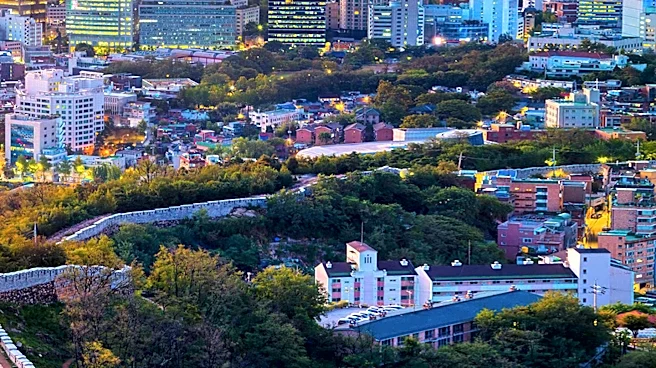
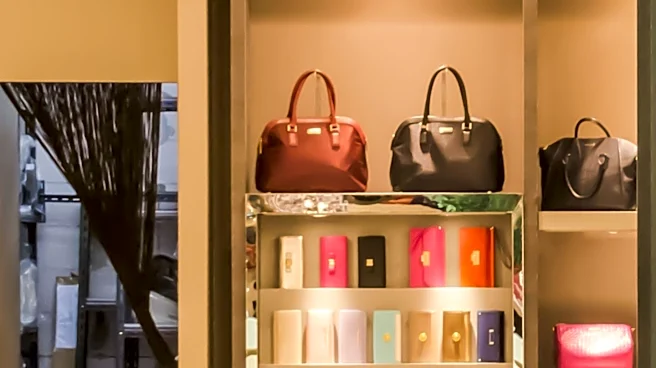
Luxury fashion brand Thom Browne is strategically positioning itself for a significant expansion within the South Korean market. This move comes as global luxury brands, including Louis Vuitton and Chanel, are observing a third wave of luxury boom in the region.
South Korea has demonstrated a remarkable resilience in luxury sales, even during the pandemic, making it an attractive market for high-end fashion houses. While some luxury brands are reportedly cutting prices due to slowing demand in other markets, Thom Browne is preparing to capitalize on the sustained and growing appetite for luxury goods in South Korea. This indicates a targeted approach to market growth, focusing on regions with proven consumer strength in the luxury sector.
Why It's Important?
This strategic focus on South Korea by Thom Browne highlights a broader trend in the global luxury market: the increasing importance of Asian markets for sustained growth. As demand in traditional Western markets experiences fluctuations, regions like South Korea are becoming critical drivers for luxury brands' revenue and expansion. For U.S. luxury brands, understanding and adapting to these regional dynamics is crucial for maintaining competitiveness and market share. The resilience of the South Korean luxury market, even during economic uncertainties, suggests a strong consumer base with high disposable income and a cultural appreciation for high-end fashion. This could influence future investment and marketing strategies for other U.S. and international luxury brands looking to diversify their market presence and mitigate risks associated with slowing demand elsewhere.
What's Next?
Thom Browne's preparations suggest an imminent push to further penetrate the South Korean market, likely involving increased retail presence, targeted marketing campaigns, and potentially exclusive product offerings tailored to local preferences. Other luxury brands are expected to closely monitor Thom Browne's success in this endeavor, potentially leading to similar strategic shifts towards resilient Asian markets. This could result in a more competitive luxury landscape in South Korea, with brands vying for consumer attention and loyalty. The long-term implications could see a re-evaluation of global distribution and marketing strategies by luxury conglomerates, with a greater emphasis on regional market strengths rather than a uniform global approach.
Beyond the Headlines
The sustained luxury boom in South Korea, despite global economic headwinds, points to deeper cultural and societal factors at play. The concept of 'revenge spending' post-pandemic, coupled with a strong emphasis on status and brand perception in South Korean culture, likely contributes to the robust demand for luxury goods. This trend also raises questions about the sustainability of such growth and the potential for market saturation in the long run. Furthermore, the shift in focus from price hikes to strategic market expansion in specific regions could signal a more nuanced approach to luxury brand management, prioritizing market penetration and brand loyalty over short-term profit maximization through price increases. This could lead to a more stable and diversified global luxury market in the future.