

What's Happening?
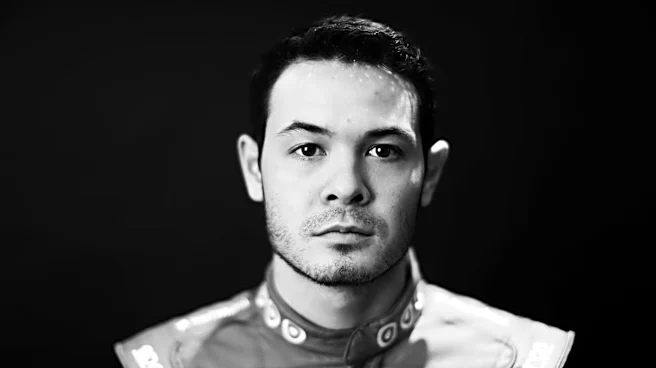
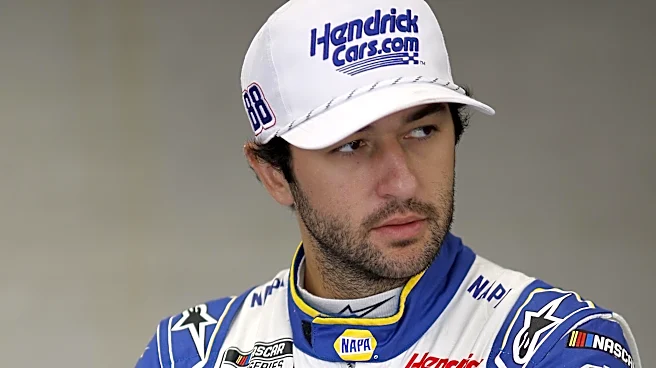
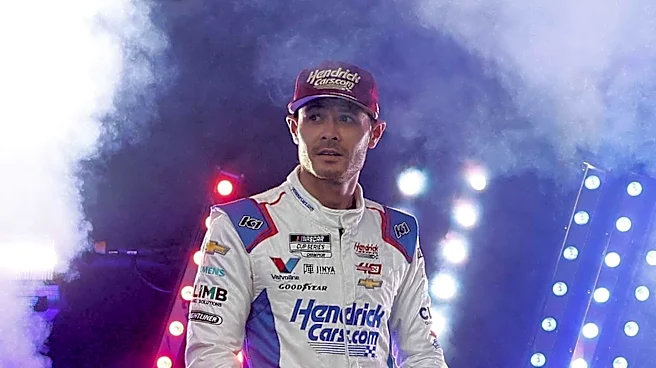
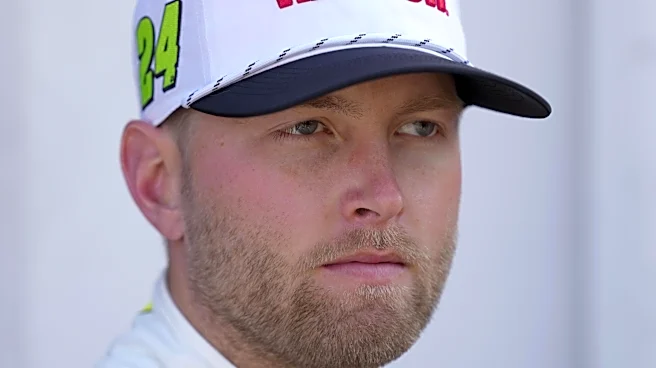
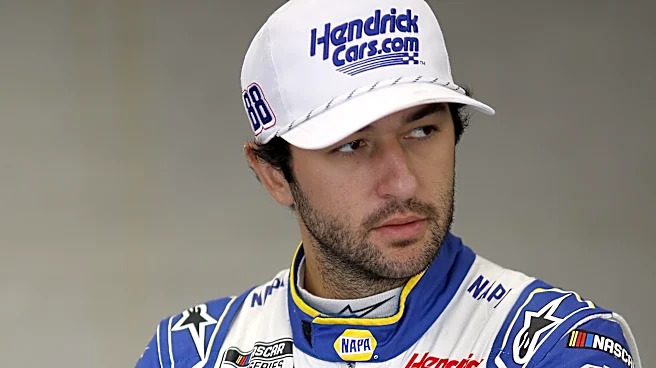
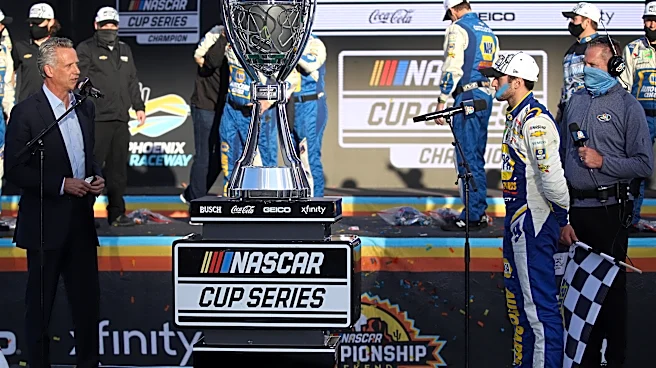
Kyle Larson clinched his third NASCAR Cup Series championship on November 8 at Homestead-Miami Speedway, securing the title early in Stage 1 of the season finale. This victory makes Larson the first driver since Jimmie Johnson (2009-2010) to win back-to-back
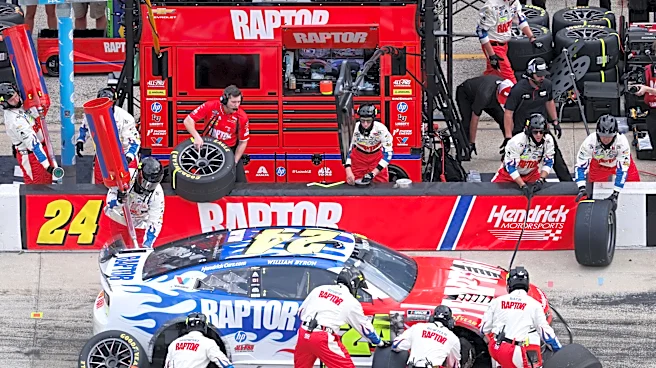
titles and places him among an elite group of 11 drivers with at least three championships. Despite this significant achievement, Larson described the 2026 season as one of Hendrick Motorsports' worst statistically. The team failed to secure a single pole position across the 36-race schedule, a first since 1984, and recorded its lowest collective average finish (16.3) since 2005. Larson's No. 5 Chevrolet went winless for the first 26 races, entering the postseason as the seventh seed. However, a turnaround during the 10-race Chase saw Larson win at Gateway, Kansas Speedway, and Talladega Superspeedway, ultimately building a points lead that led to his championship.
Why It's Important?
Larson's championship win, despite Hendrick Motorsports' statistical struggles, highlights the critical role of resilience and strategic execution in high-stakes professional sports. This victory underscores that even top-tier organizations can face periods of underperformance, yet still achieve ultimate success through focused effort and teamwork. For NASCAR, it reinforces the competitive nature of the sport, where a team can overcome a challenging regular season to dominate in the playoffs. The narrative of overcoming adversity can inspire other teams and drivers, demonstrating that consistency throughout the season, while valuable, does not always dictate the final outcome. This also showcases the impact of a strong crew chief, as Cliff Daniels has guided Larson to all three of his championships, proving instrumental in navigating difficult periods.
What's Next?
Following this championship, Hendrick Motorsports will likely conduct a thorough review of their 2026 season to address the statistical inconsistencies and identify areas for improvement, particularly regarding qualifying performance and early-season consistency. The team will aim to leverage the momentum from Larson's championship win while working to rectify the underlying issues that led to their 'worst statistical year.' Larson and his team will prepare to defend their title in the upcoming NASCAR season, facing increased scrutiny and expectations. Other teams will undoubtedly analyze Hendrick Motorsports' playoff strategy and their ability to peak at the right time, potentially influencing their own approaches to future seasons and championship chases.
Beyond the Headlines
Larson's championship victory in a statistically challenging year for Hendrick Motorsports offers a compelling case study in sports psychology and team dynamics. It suggests that mental fortitude and the ability to perform under pressure during critical moments can outweigh season-long statistical dominance. This scenario also raises questions about the efficacy of NASCAR's playoff format, where a team can struggle for much of the year but still claim the ultimate prize through a strong postseason run. The emphasis on playoff performance could lead teams to prioritize late-season development and strategy over consistent performance throughout the entire schedule, potentially altering the competitive landscape and team resource allocation in future seasons. It also highlights the intangible value of teamwork and leadership in overcoming technical or performance deficits.