







What's Happening?
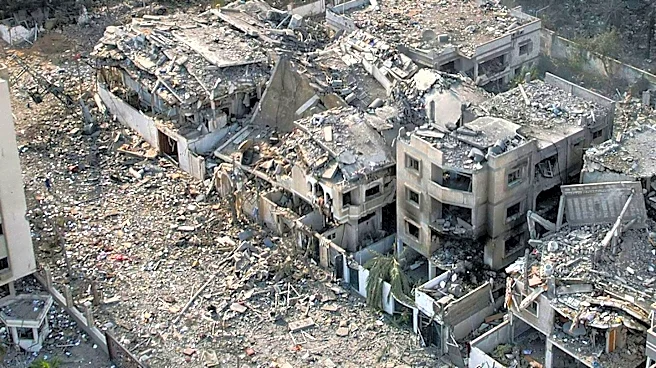
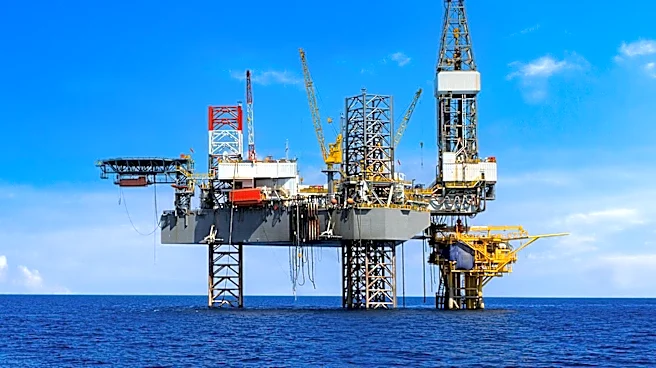
Oil prices have rallied towards $95 per barrel as military tensions between the U.S. and Iran escalate, causing disruptions in global crude supplies. The conflict has led to attacks on tankers in the Strait of Hormuz, a critical oil shipping route. The U.S. has conducted
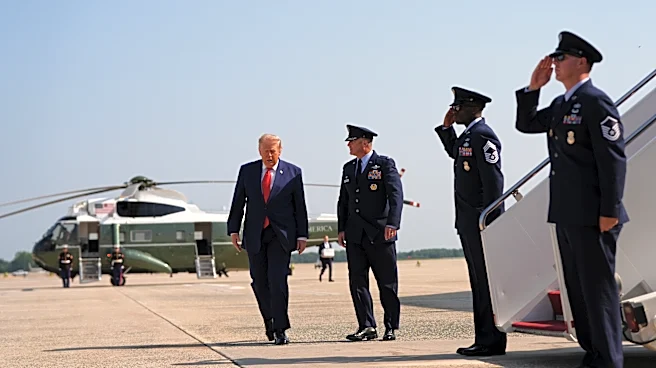
military operations targeting Iran, and President Trump has warned of retaliation against Iranian attacks on shipping. The situation has led to concerns over potential supply disruptions, with some banks predicting oil prices could exceed $100 per barrel if tensions persist. The U.S. Energy Information Administration reported an increase in commercial crude inventories, but traders are focusing on potential disruptions to Middle Eastern supplies.
Why It's Important?
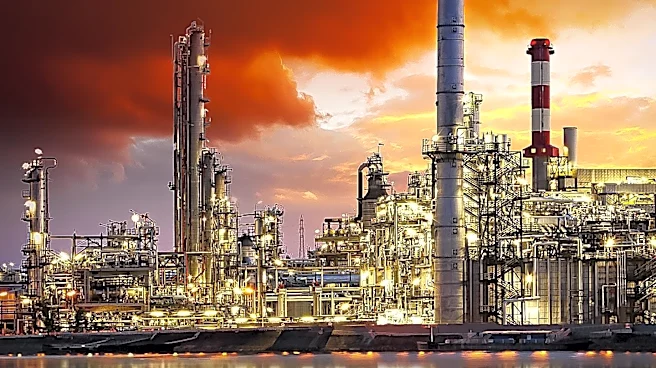
The escalating conflict between the U.S. and Iran poses a significant risk to global oil markets, with potential supply disruptions leading to higher prices. The increase in oil prices can have widespread economic implications, including higher transportation and manufacturing costs, which could contribute to inflation. The U.S. economy, already facing inflationary pressures, could experience further strain as energy costs rise. The situation highlights the geopolitical risks associated with oil supply and the importance of diplomatic efforts to stabilize the region.
What's Next?
The U.S. may need to consider diplomatic and military strategies to de-escalate tensions with Iran and ensure the security of key oil shipping routes. The potential for further disruptions could lead to increased military presence in the region. Oil markets are likely to remain volatile, with traders closely monitoring geopolitical developments. The U.S. government may also need to explore alternative energy sources to reduce dependency on oil imports and mitigate the impact of future supply shocks.