





What's Happening?
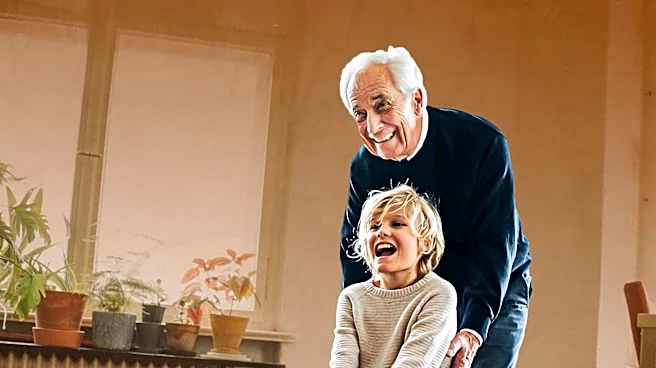
Generation X, born between 1965 and 1980, is redefining the role of grandparents, bringing their characteristic independence, resourcefulness, and relaxed approach to tradition to their interactions with grandchildren. Many Gen Xers, who grew up as 'latchkey
kids' with working parents and minimal supervision, are now balancing their own careers and family responsibilities while engaging with their grandchildren. They prioritize creating meaningful experiences over material gifts, such as sharing hobbies, taking trips, or attending concerts. This generation is comfortable with technology, using it creatively to stay connected through texting memes and video calls, but also values unplugging. They often prefer non-traditional titles like 'Glamma' or 'Papa Bear' instead of 'Grandma' and 'Grandpa,' signaling a desire to redefine their role in a youthful and aligned manner. While many are still in the workforce, limiting their availability for full-time childcare, they are adept at multitasking and making quality time for family, offering support when possible.
Why It's Important?
The evolving grandparenting style of Generation X has significant societal implications, particularly for family dynamics and intergenerational relationships in the U.S. Their emphasis on experiences and strong connections, rather than solely providing childcare, shifts the traditional role of grandparents. This approach can foster deeper emotional bonds and shared interests between generations, potentially enriching the lives of both grandparents and grandchildren. The tech-savviness of Gen X grandparents allows for sustained connection across distances, which is increasingly relevant in a mobile society. However, their continued presence in the workforce means less availability for consistent childcare, which could impact working parents who rely on grandparents for support, especially given the current childcare landscape. This redefinition highlights a broader cultural shift where older generations maintain active careers and personal interests, influencing how family support structures are formed and negotiated. It also underscores the adaptability of family roles in response to changing economic and social conditions.
What's Next?
As Generation X continues to age into grandparent roles, their unique approach is likely to further shape family expectations and intergenerational dynamics. We can anticipate a continued trend towards experiential grandparenting, where shared activities and memory-making take precedence. The integration of technology in maintaining family connections will likely become even more sophisticated, with Gen X grandparents potentially leading the way in adopting new communication tools. There may also be an increased demand for flexible work arrangements that allow this generation to balance their careers with their desire for active grandparenting. Furthermore, the non-traditional titles and relaxed attitudes towards formality could become more widespread, reflecting a broader cultural shift away from rigid generational roles. This evolving dynamic will require ongoing adaptation from younger generations and potentially influence the development of new family support networks and community resources that cater to these changing needs and preferences.
Beyond the Headlines
The grandparenting style of Generation X reflects deeper cultural values of independence, resourcefulness, and a questioning of traditional norms that defined their formative years. Having grown up as 'latchkey kids,' they developed a self-reliance that now informs their approach to family, emphasizing personal agency even within caregiving roles. Their comfort with technology, stemming from experiencing both pre-digital and digital eras, positions them as unique bridges between analog and fully digital generations. This blend allows them to leverage technology for connection while also appreciating the value of 'unplugging.' The shift from material gifts to experiences also speaks to a broader societal trend towards valuing intangible assets and personal growth. Ethically, this redefinition challenges traditional expectations of grandparental duties, potentially leading to more equitable distributions of caregiving responsibilities within families. Culturally, it signifies a continued evolution of family structures, where individual identity and personal fulfillment are increasingly integrated into familial roles, moving away from purely duty-bound obligations.