







What's Happening?
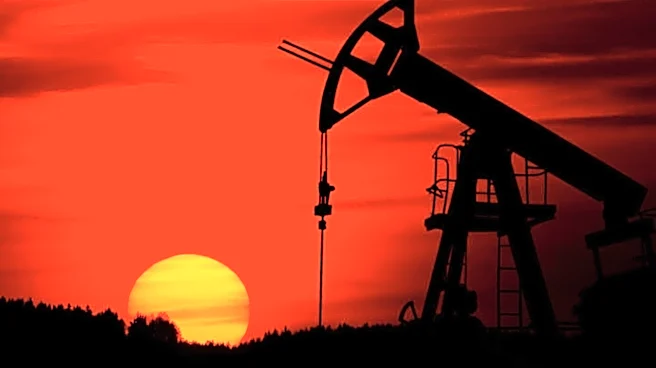
Marathon Petroleum, along with other U.S. energy companies such as Valero Energy and Phillips 66, has experienced a notable increase in stock prices, rising between 1.1% and 1.3%. This surge is attributed to the rising oil prices, which have been climbing
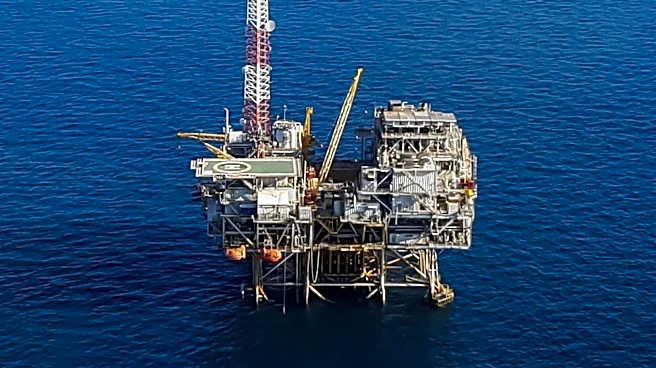
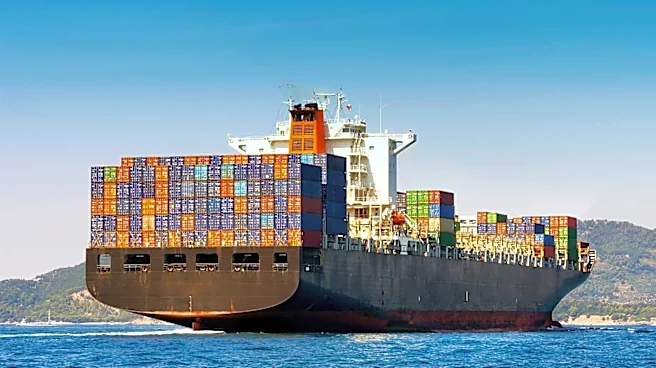
for five consecutive days. The increase in oil prices is a result of geopolitical tensions, specifically the attacks by Houthi forces on two Saudi oil tankers in the Bab-el-Mandeb Strait. These attacks have led to a maritime blockade of Saudi oil shipments, creating concerns over potential disruptions in key oil supply routes. The price of Brent crude has surpassed $100 per barrel for the first time since May, driven by these geopolitical developments.
Why It's Important?
The rise in oil prices and the subsequent increase in energy stock values highlight the sensitivity of global markets to geopolitical tensions, particularly in the Middle East. For U.S. energy companies, this situation presents an opportunity for increased profitability due to higher oil prices. However, it also underscores the vulnerability of global oil supply chains to regional conflicts. The blockade and potential disruptions in oil shipments could lead to increased transportation costs and longer delivery times, affecting global supply chains and potentially leading to higher energy costs for consumers. This situation also emphasizes the strategic importance of securing alternative energy routes and diversifying energy sources to mitigate the impact of such geopolitical risks.
What's Next?
If the geopolitical tensions continue, oil prices may remain elevated, benefiting energy companies in the short term. However, prolonged disruptions could lead to broader economic impacts, including increased inflation and potential slowdowns in economic growth. Stakeholders, including governments and energy companies, may need to explore alternative supply routes and invest in energy infrastructure to ensure stability. Additionally, diplomatic efforts may be necessary to de-escalate tensions and secure the safe passage of oil shipments through critical maritime routes.