






What's Happening?
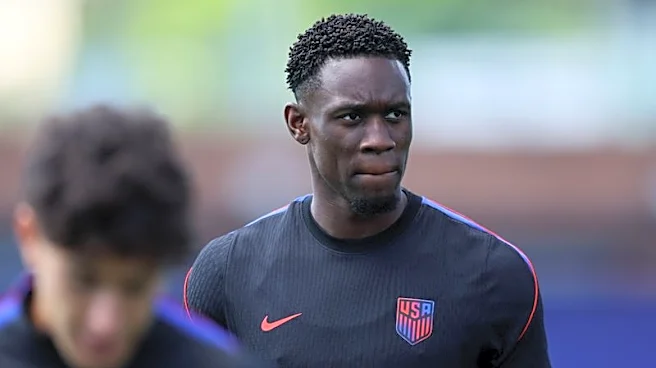
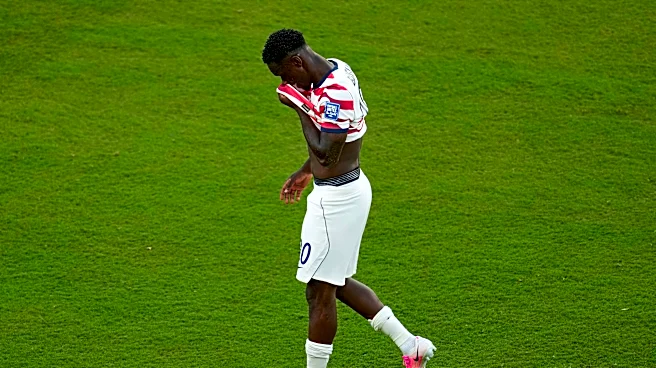
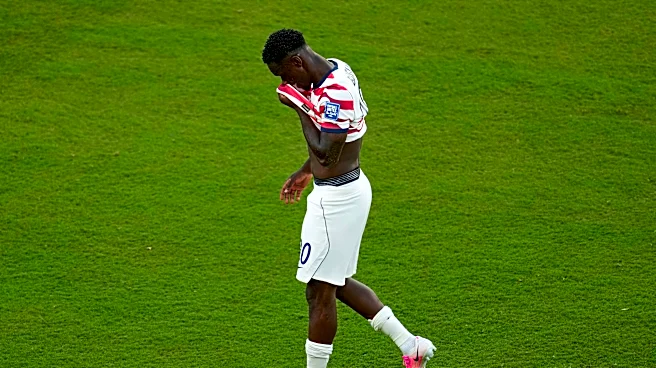
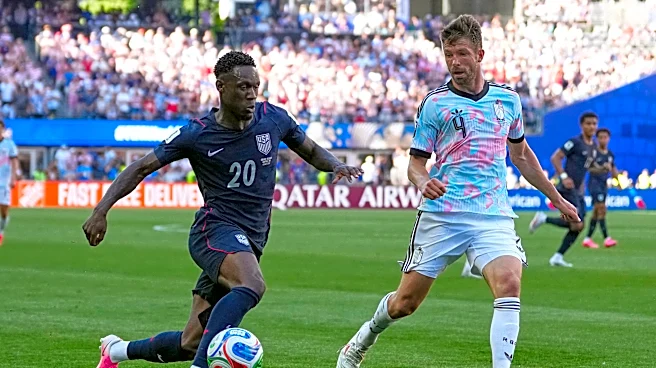
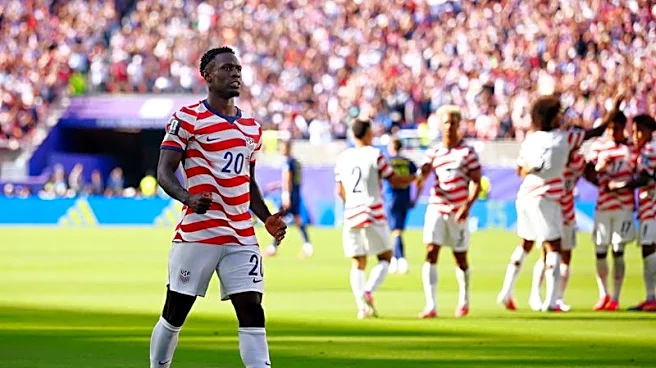
The controversy surrounding FIFA's suspension of Folarin Balogun's red card ban has sparked discussions about fairness and transparency in sports governance. Balogun, a U.S. striker, was initially suspended after a red card but was allowed to play against
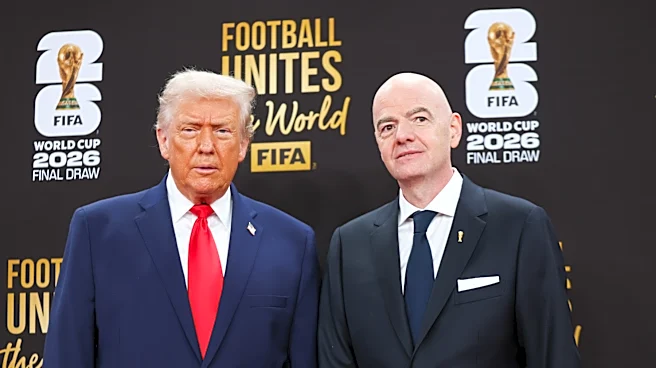
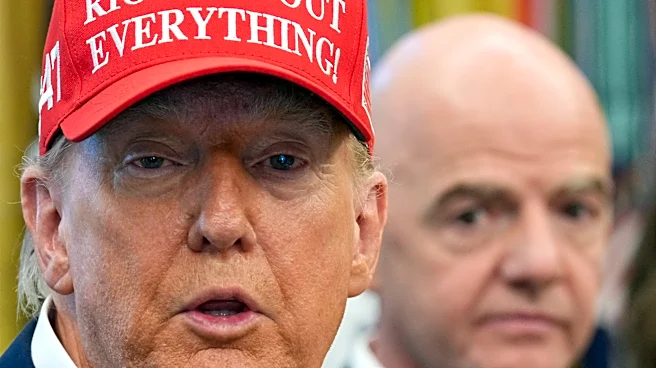
Belgium following a decision by FIFA's disciplinary committee. Reports indicate that President Trump intervened by speaking with FIFA President Gianni Infantino. UEFA criticized the decision as 'unprecedented and unjustifiable,' while the Royal Belgian Football Association challenged the lack of explanation for the reversal.
Why It's Important?
This incident underscores the importance of perceived fairness in sports governance. The decision has raised questions about the influence of political figures on sports organizations and the potential erosion of trust in FIFA's impartiality. For global brands and sports organizations, maintaining a reputation for fairness is crucial, as stakeholders may lose confidence if they perceive rules to be applied inconsistently. This could have long-term implications for FIFA's credibility and the integrity of international competitions.
What's Next?
FIFA may face increased scrutiny in future disciplinary decisions, with stakeholders demanding more transparency and accountability. The organization might need to implement measures to ensure that its processes are perceived as fair and impartial. This could involve revisiting its governance structures and decision-making processes to restore trust among players, teams, and fans.