

What's Happening?
Interior designers are identifying five specific paint colors that they believe are making U.S. homes appear outdated. According to Cathleen Gruver, lead designer at Grover Cooley, fire-engine red, popular in the late 1990s and early 2000s, is now considered
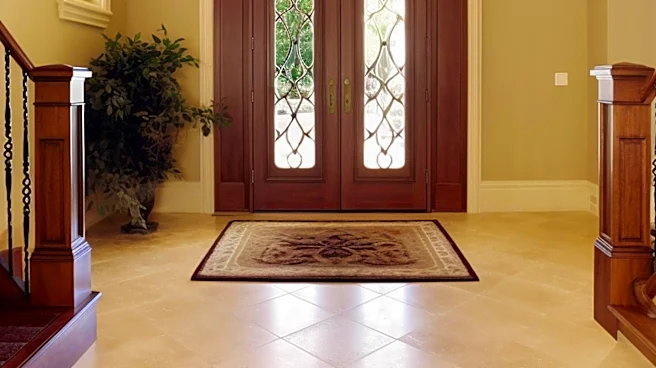
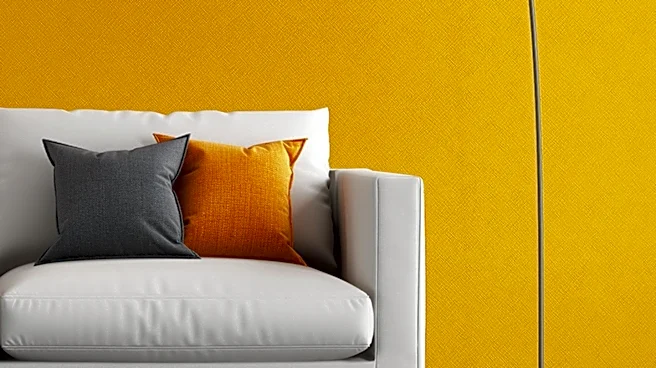
jarring and out of sync with modern aesthetics focused on softness and organic palettes. Gruver also notes that yellow-based beige, often dubbed 'builder beige' from its prevalence in 2000s spec homes, is no longer current. Andrea Sinkin, an interior designer, states that stark white, once a minimalist staple, now reads as cold and clinical. Designer Dusti Jones points out that black paint, especially when paired with stark white, is falling out of favor after a nine-year trend cycle. Lastly, sage green, which had a significant moment in the early 2010s, is now considered overdone and is being referred to as 'millennial green' due to its overuse, particularly versions that skew too yellow.
Why It's Important?
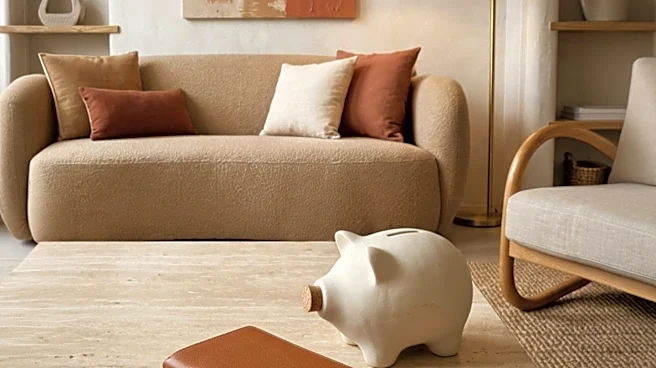
The shift in preferred paint colors reflects broader changes in U.S. home design trends and consumer preferences. Homeowners and those in the real estate market, including sellers and flippers, stand to gain by understanding these evolving aesthetics. Using outdated colors could potentially deter buyers or reduce a home's perceived value, while adopting current recommendations can enhance appeal. The move away from stark, saturated, or overly common colors towards warmer, more neutral, or richer tones indicates a desire for homes that feel more inviting and timeless. This trend impacts the paint industry, interior design services, and home improvement retailers, as demand shifts towards specific palettes and away from others. For instance, the rise of warm greiges, taupes, deep burgundies, oxbloods, muddier olives, and deep eucalyptus greens suggests new market opportunities for paint manufacturers and designers.
What's Next?
As designers continue to influence home aesthetics, homeowners are likely to see a continued emphasis on timeless palettes with warm or neutral undertones. The industry may see a further decline in the popularity of the identified outdated colors, leading to a potential decrease in their production or availability. Conversely, alternatives like deep burgundy, oxblood, warm greige, taupe, muddier olive, and deep eucalyptus green are expected to gain traction. The trend towards 'modern neutrals' and richer, more grounded hues will likely shape future paint collections and design recommendations. Homeowners undertaking renovations or new constructions will increasingly be guided by these updated preferences to ensure their properties remain current and appealing.
Beyond the Headlines
The evolution of paint color trends highlights a deeper cultural shift in how Americans perceive and interact with their living spaces. The rejection of 'builder beige' and 'millennial green' suggests a desire for individuality and a move away from mass-produced, generic aesthetics. The preference for colors that evoke 'soul' and 'natural feeling' points to a growing emphasis on comfort, authenticity, and a connection to nature within the home environment. This trend also underscores the cyclical nature of design, where colors once considered modern eventually become passé. The advice to prioritize personal style over fleeting trends suggests a move towards more sustainable and enduring design choices, encouraging homeowners to invest in palettes that resonate with them personally rather than strictly adhering to current fads.