
What's Happening?
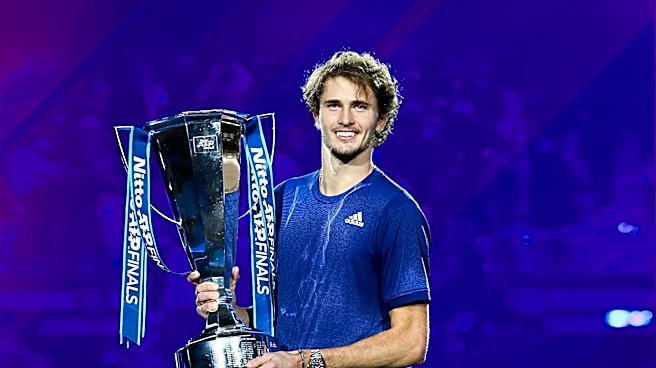
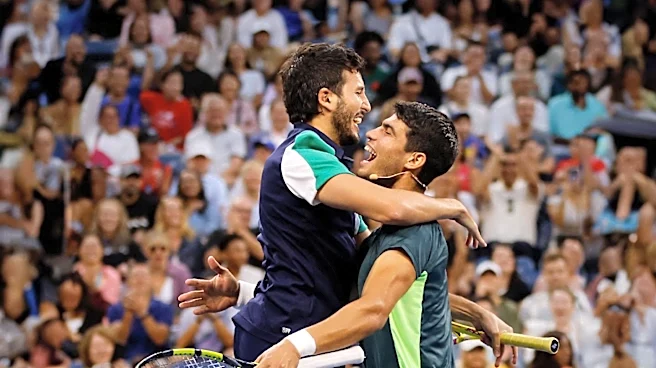
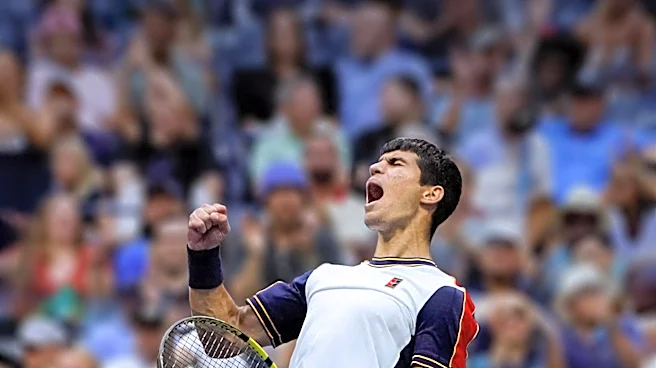
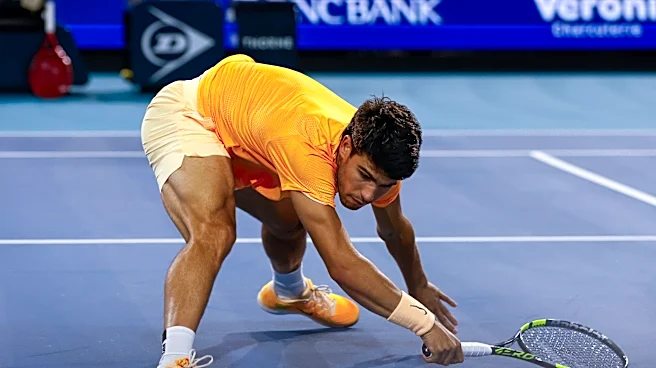
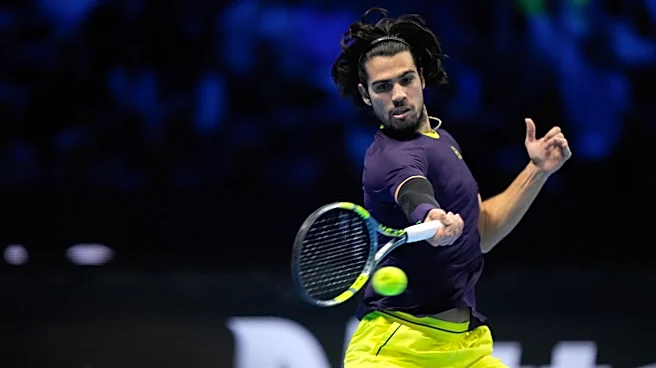
American tennis player Taylor Fritz, while analyzing the ATP Finals for Tennis Channel, highlighted Ben Shelton and Carlos Alcaraz for possessing what he considers the best second serves on the ATP Tour. Fritz, who narrowly missed qualifying for the ATP Finals,
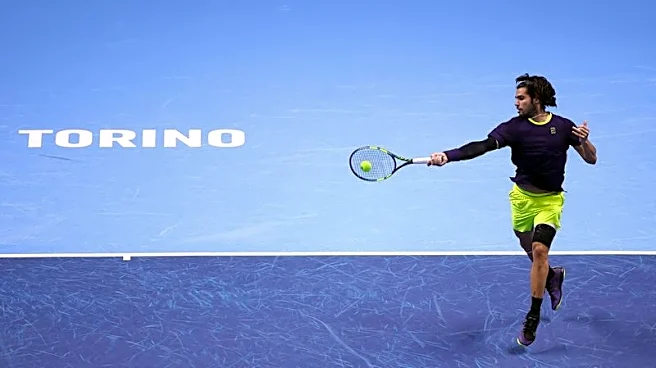
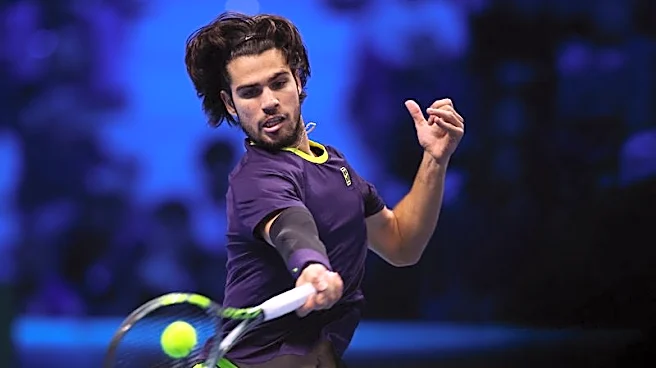
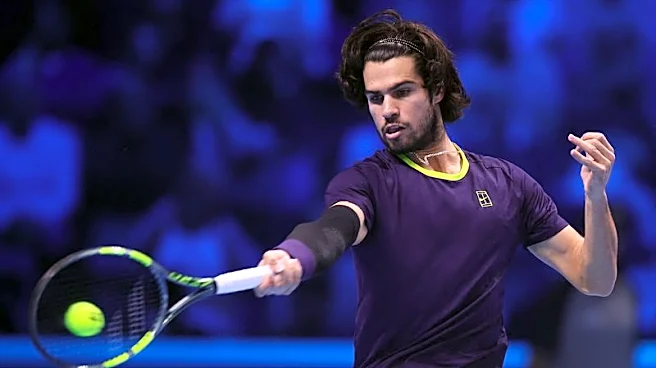
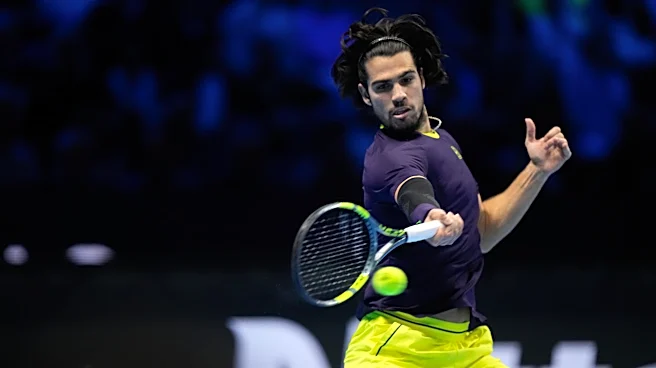
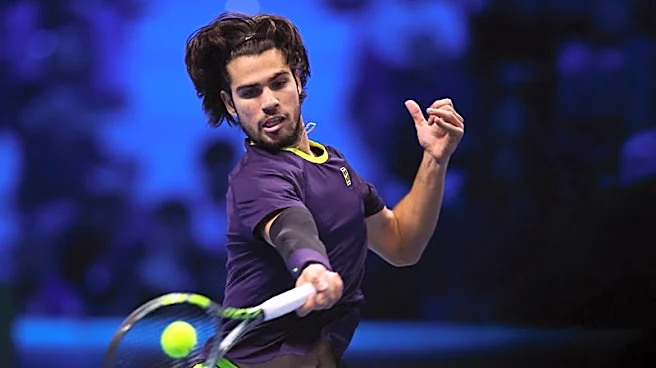
specifically lauded Shelton's second serve after his victory over Rafael Jodar. He noted Shelton's variety and aggressive approach on second serves, particularly when under pressure, which he believes creates indecisiveness for returners. Fritz also observed a similar quality in Alcaraz's game. Despite Fritz's assessment, statistics for 2026 show Jannik Sinner leading the ATP Tour with a 58.7% second serve win percentage, closely followed by Shelton at 58.1%. Alcaraz ranks eighth with 55.3%, while Fritz himself is 13th in this metric.
Why It's Important?
Taylor Fritz's analysis underscores a critical aspect of modern professional tennis: the weaponization of the second serve. Traditionally seen as a defensive shot, players like Shelton and Alcaraz are transforming it into an offensive tool, which significantly impacts match dynamics. A strong second serve reduces break point opportunities for opponents and allows the server to maintain pressure, even after missing a first serve. This strategic shift can be a game-changer, particularly in high-stakes matches where every point matters. For American tennis, Shelton's proficiency in this area signals a promising development, as it adds another dimension to his already powerful game. It also highlights the evolving tactical approaches in the sport, where players are constantly seeking edges in every facet of their game.
What's Next?
As the ATP Finals progress, the effectiveness of Ben Shelton's and Carlos Alcaraz's second serves will be under continued scrutiny, especially in their upcoming semi-final match. Their ability to consistently deploy their second serve as a weapon will be crucial in determining their success against top-ranked opponents. Other players on the tour may also begin to analyze and adapt their own second serve strategies, potentially leading to a broader trend of more aggressive and varied second serves across professional tennis. Coaches and analysts will likely focus more on this statistic as a key performance indicator, influencing training methodologies and match preparations for future tournaments. The emphasis on this aspect of the game could lead to more competitive and unpredictable matches.
Beyond the Headlines
The discussion around the quality of second serves, as highlighted by Taylor Fritz, points to a deeper evolution in tennis strategy. It moves beyond the traditional focus on first-serve power and accuracy to emphasize the psychological and tactical advantage gained from a potent second serve. This shift reflects the increasing athleticism and return skills of top players, forcing servers to find new ways to hold serve. The ability to hit an aggressive second serve with variety not only wins points but also instills doubt in the returner, creating a mental edge. This nuanced approach to serving demonstrates the continuous innovation in professional tennis, where players and coaches are constantly refining every element of the game to gain a competitive advantage.