


What's Happening?
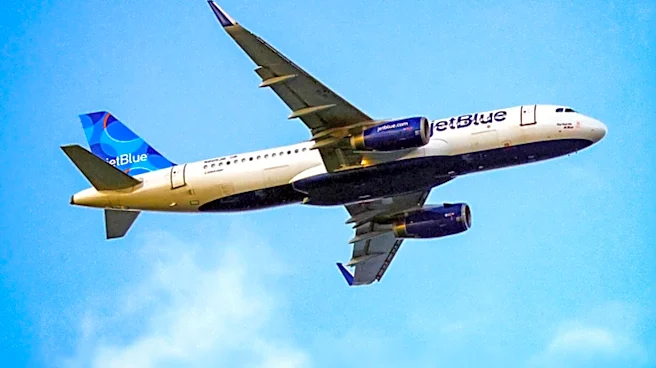
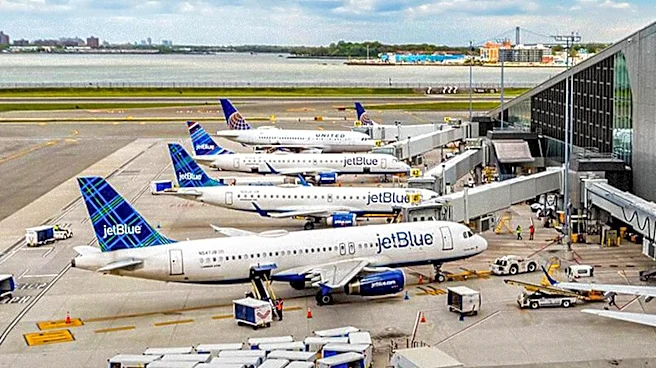
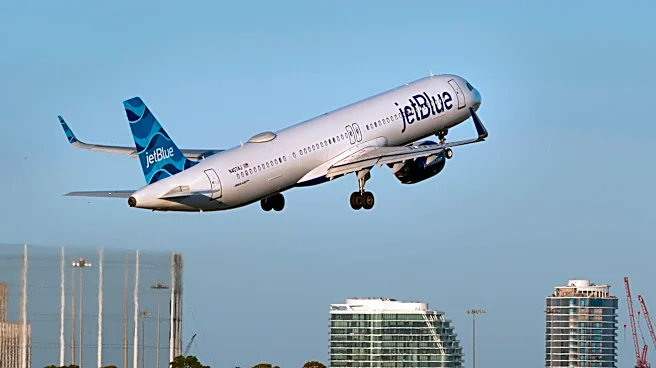
JetBlue has raised its checked baggage fees for the second time this year, making luggage more expensive for travelers, particularly as the busy holiday travel season approaches. For tickets purchased on or after November 3, most economy passengers flying
within the United States, Canada, Latin America, and the Caribbean will now pay at least $50 each way for their first checked bag, an increase from the previous $39. During peak travel periods, including Thanksgiving and the winter holidays, this fee climbs to $55 if paid at least 24 hours before departure. Waiting until the final 24 hours will result in fees of $60 during off-peak periods and $70 during peak periods. The fee for a second checked bag has also increased, starting at $70 each way during off-peak periods and $75 during peak travel, potentially reaching $85 if checked at the airport. These increases are attributed to elevated jet fuel prices, which reached $3.91 per gallon in the summer and are projected to climb to $4.64 during the final three months of the year.
Why It's Important?
This second increase in baggage fees by JetBlue within a year significantly impacts U.S. travelers, especially those planning holiday trips, by adding to the overall cost of air travel. The move reflects the airline industry's struggle with rising operational costs, particularly jet fuel prices, which have been exacerbated by global events. While airlines aim to offset these costs and maintain profitability, the burden is passed directly to consumers, potentially influencing travel decisions and budgets. This trend of increasing ancillary fees can also affect the perceived value of air travel and may lead some passengers to seek out airlines with lower fees or to travel with carry-on luggage only. The decision by JetBlue could also prompt other major U.S. airlines to re-evaluate their own fee structures, potentially leading to a broader industry-wide increase in baggage charges, as seen after JetBlue's previous hike in March.
What's Next?
Travelers booking flights with JetBlue on or after November 3 will immediately face the new, higher baggage fees, particularly impacting those planning holiday travel. The airline anticipates that demand will remain resilient despite these price increases, as indicated by executives during their third-quarter earnings call. However, the elevated costs could lead some passengers to adjust their travel habits, such as opting for carry-on luggage only or choosing alternative airlines if competitive pricing is available. The ongoing volatility in jet fuel prices suggests that airlines may continue to adjust fees or fares in response to market conditions. While some travelers, including eligible co-branded credit card holders and loyalty program members, may still check bags for free, the majority will experience increased expenses, potentially influencing future travel budgets and choices.
Beyond the Headlines
The repeated increase in baggage fees by JetBlue, driven by persistent high jet fuel prices, highlights a broader economic challenge facing the airline industry and, by extension, the consumer. This situation underscores the delicate balance airlines must maintain between covering operational costs and remaining competitive. While these fees are presented as a necessary response to external economic pressures, they also represent a strategic shift towards unbundling services, where the base fare covers only the flight, and additional services like checked bags incur separate charges. This model allows airlines to advertise lower base fares, potentially attracting price-sensitive customers, while generating significant revenue from ancillary services. However, it can also lead to consumer frustration and a perception of hidden costs, impacting customer satisfaction and loyalty in the long run. The ongoing geopolitical landscape and its impact on global oil supplies will likely continue to shape these pricing strategies.