









What's Happening?
Dr. Chris Curry from ŌURA discusses the evolving role of wearables in health monitoring. Initially launched as fitness accessories, wearables have become integral to healthcare delivery, offering continuous insights across various health metrics. Devices
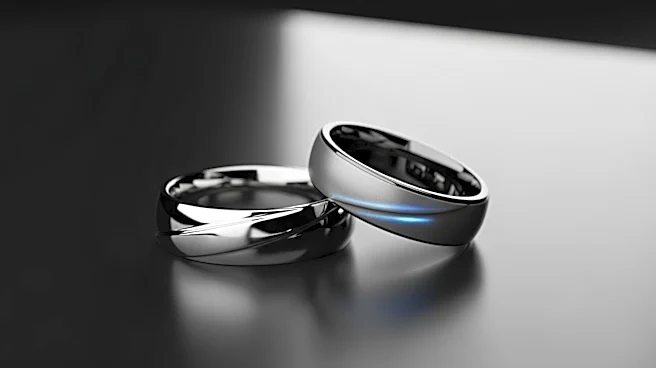
like the ŌURA Ring provide nonintrusive monitoring, supporting long-term adoption and engagement. The technology has evolved to offer richer features, aiding in metabolism, cardiovascular health, and activity tracking. This integration into the care continuum allows for prevention, early detection, and management of health issues, making wearables a valuable tool for both consumers and healthcare providers.
Why It's Important?
The integration of wearables into healthcare represents a shift towards more personalized and proactive health management. By providing continuous, longitudinal data, wearables offer a comprehensive view of an individual's well-being, potentially improving health outcomes through early detection and prevention. This evolution enhances the value of wearables, making them preferred by consumers seeking to maintain health and prevent disease. The scalability and ease of use of wearables like the ŌURA Ring make them a strong investment in healthcare, offering a cost-effective solution for monitoring and managing health.
What's Next?
The next phase for wearables in health monitoring involves further integration into remote patient monitoring systems. Tools that support prevention, decision-making, and management will become increasingly important, helping users and clinicians work together on a care continuum. As technology continues to evolve, wearables will likely offer more comprehensive health insights, supporting personalized healthcare and improving patient outcomes. The focus will be on developing tools that can assist in disease prevention, early detection, and management, enhancing the role of wearables in healthcare.