





What's Happening?
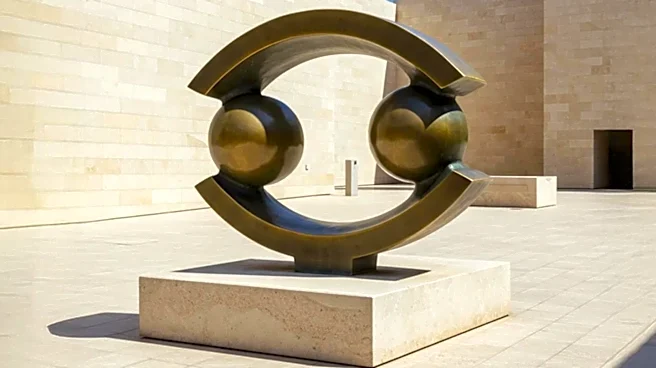
Minimalism, an art movement that emerged in the 1960s, is characterized by its use of simple geometric forms and industrial materials. This approach encourages viewers to focus on the physical presence of the artwork and its relationship to the surrounding
space, rather than searching for a depicted scene. Artists like Donald Judd, known for his repeated box-like structures, exemplify this movement. Minimalism, alongside Pop art and conceptual art, questioned traditional notions of what art could be. While Pop art drew on mass media and consumer culture, Minimalists explored fundamental forms, materials, and spatial relationships. The movement emphasizes scale, material, and position, inviting a different kind of engagement from the audience.
Why It's Important?
The emergence of Minimalism in the 1960s marked a significant shift in the art world, moving away from more representational or expressive forms. This movement challenged viewers to reconsider their interaction with art, emphasizing the object's physical properties and its environment. For U.S. art institutions and collectors, Minimalism introduced a new aesthetic and philosophical framework, influencing subsequent artistic developments. It broadened the scope of what was considered art, paving the way for conceptual art and other post-1960s movements. The focus on industrial materials also reflected broader societal changes and technological advancements, integrating them into artistic expression. This shift impacted art education, criticism, and the market, creating new categories for artistic evaluation and appreciation.
Beyond the Headlines
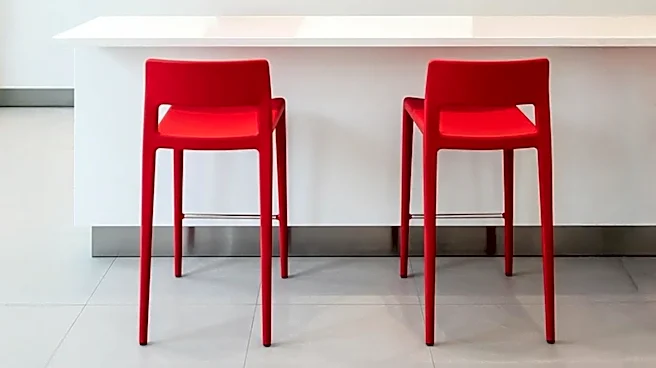
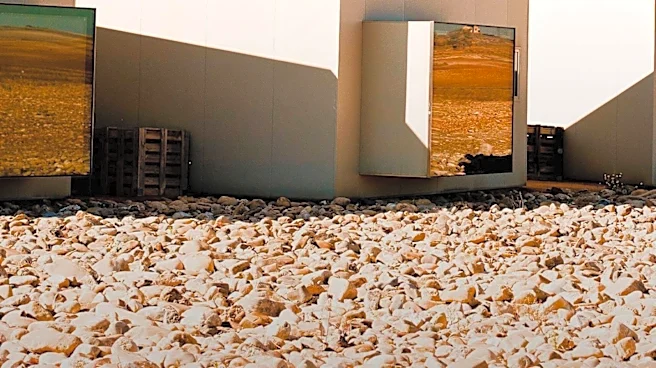
Minimalism's influence extends beyond the art gallery, subtly shaping design principles in architecture, interior design, and even product development. Its emphasis on simplicity, functionality, and essential forms has become a timeless aesthetic. The movement's core idea—that less can be more—resonates with contemporary discussions about sustainability and conscious consumption, even if the original art movement wasn't directly addressing these issues. Ethically, Minimalism in art encourages a deeper, more contemplative engagement with objects, prompting viewers to consider the fundamental elements of form and space. This philosophical underpinning continues to inspire artists and designers to strip away the superfluous and focus on core ideas and structures.