






What's Happening?
The spring 2027 fashion runways in New York, London, Milan, and Paris have signaled a definitive move away from 'quiet luxury' towards a more maximalist aesthetic. Designers such as Matthieu Blazy for Chanel, Jonathan Anderson at Dior, and Michael Rider’s
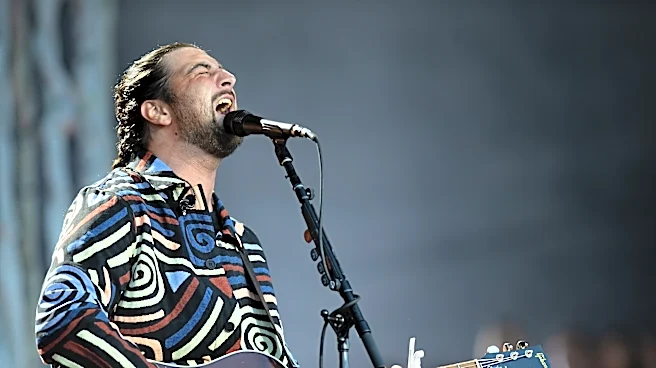
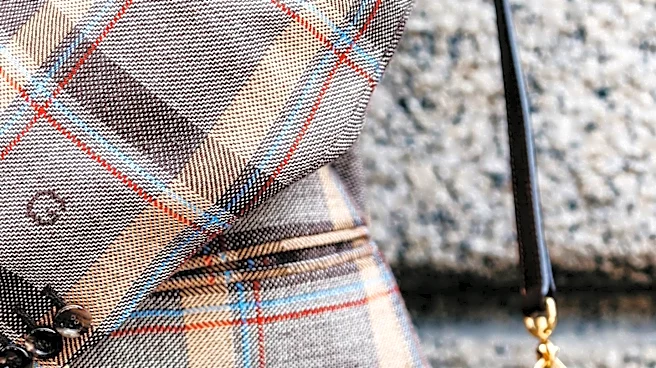
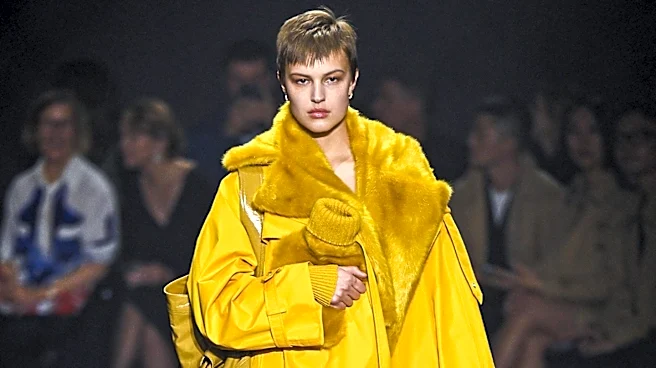
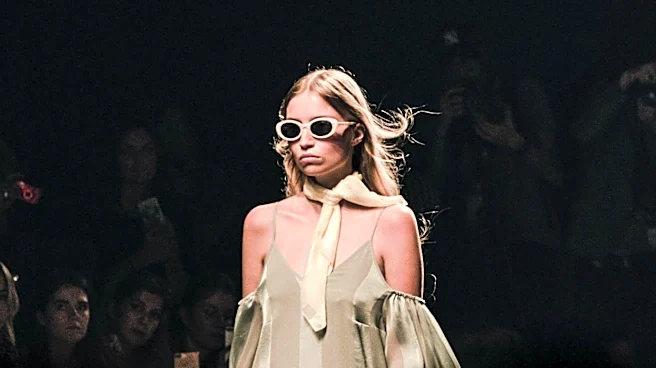
Celine presented collections featuring an abundance of fur, feathers, paillettes, and glittering beads. Key trends identified include 'Aloha Attire' with Hawaiian shirts, '70s Beach Vibes' reflecting Southern California aesthetics, and the 'Itty-Bitty Titty Committee' trend where bras are worn as shirts. Other notable trends encompass the use of plastic in glossy and sculptural silhouettes, clashing prints, baroque beading, and 'The Gilded Age' with ultra-luxe gold outfits. Skirts were also a major focus, with designers like Miuccia Prada and Raf Simons dedicating their entire spring 2027 collection to various skirt styles. Additionally, plaid patterns of all kinds, from houndstooth to plain check, were prominent, and the concept of a '365 Party Girl' was explored through glamorous yet eventually rumpled outfits.
Why It's Important?
This shift in fashion trends for spring 2027 is important as it indicates a significant change in consumer preferences and industry direction within the U.S. and global fashion markets. The move from 'quiet luxury' to maximalism suggests a desire for more expressive and flamboyant styles, potentially boosting sales in categories like embellished garments, bold prints, and statement accessories. U.S. retailers and brands will need to adapt their inventory and marketing strategies to align with these emerging trends to remain competitive. The emphasis on diverse styles, from '70s bohemian to plastic-infused designs, also reflects a broader cultural embrace of individuality and varied aesthetics. This could lead to increased innovation in textile development and manufacturing, as designers explore new materials and techniques to bring these maximalist visions to life. Consumers, in turn, will have a wider array of fashion choices, potentially influencing personal style and purchasing habits across different demographics.
What's Next?
Looking ahead, U.S. fashion brands and retailers are expected to begin incorporating these spring 2027 runway trends into their upcoming collections and marketing campaigns. This will involve sourcing new materials, adjusting production lines, and training sales staff on the latest styles. Consumers can anticipate seeing these maximalist and diverse fashion elements trickle down from high fashion to more accessible retail options in the coming seasons. Fashion publications and influencers will likely continue to highlight these trends, further shaping public perception and demand. The industry will also be watching to see if the 'quiet luxury' aesthetic makes a resurgence or if maximalism continues to dominate beyond 2027, indicating a more long-term shift in fashion sensibilities. Designers will also be exploring how to make these bold trends wearable and appealing to a broader audience, potentially leading to new interpretations and adaptations.
Beyond the Headlines
The pronounced shift towards maximalism and away from 'quiet luxury' could reflect deeper societal changes, such as a post-pandemic desire for celebration, self-expression, and a rejection of understated conformity. This trend might also be influenced by the increasing visibility of fashion on social media, where bold and visually striking outfits tend to garner more attention. The incorporation of diverse historical and cultural references, like '70s beach vibes and 'Aloha Attire,' suggests a continuous reinterpretation of fashion history and a globalized approach to design. Furthermore, the emphasis on sustainability and ethical production might become a more critical factor even within maximalist trends, pushing designers to explore eco-friendly materials and practices for embellished and elaborate garments. The '365 Party Girl' concept also hints at a lifestyle shift, where fashion is increasingly integrated into everyday life, blurring the lines between casual and formal wear.