







What's Happening?
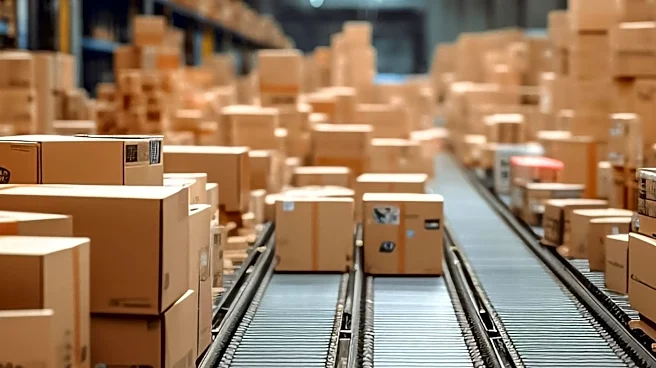
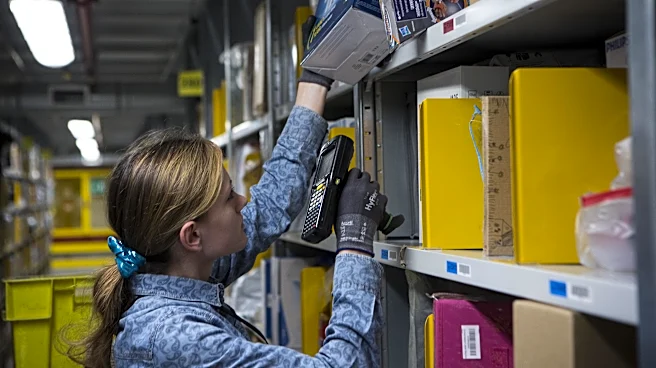
Warehouse Associates are integral to the daily functioning of warehousing operations, performing a wide array of tasks essential for the efficient movement and storage of goods. Their responsibilities include participating in truck unloading, accurately
counting stock, processing orders, and maintaining overall warehouse organization. These roles also involve ensuring compliance with safety procedures through regular checks on warehouse equipment, assembling and loading products onto delivery trucks in a timely manner, and performing order picking and palletizing. Warehouse Associates are also tasked with maintaining accurate running inventories, recording and reporting defective items, and meticulously accepting, verifying, inspecting, and recording all incoming deliveries and shipments according to company policies. The role often requires proficiency in using Warehouse Management Systems (WMS) like SAP EWM and the ability to perform repetitive physical tasks, including lifting, bending, carrying, pushing, and pulling items up to 50 lbs.
Why It's Important?
The role of a Warehouse Associate is critical to the efficiency and reliability of the supply chain in the U.S. Their direct involvement in handling goods ensures that products are moved, stored, and dispatched accurately and safely, directly impacting delivery times and customer satisfaction. Accurate inventory management, a key responsibility, prevents stockouts and overstocking, which can lead to significant financial losses for businesses. By adhering to safety protocols, Warehouse Associates contribute to a secure working environment, reducing workplace accidents and associated costs. Their ability to operate equipment like forklifts and pallet jacks, often requiring specific licenses, is vital for the swift and safe movement of heavy goods. The meticulous processing of orders and shipments directly supports the operational goals of companies, ensuring that products reach consumers and businesses as expected, thereby maintaining market competitiveness and brand reputation.
What's Next?
As warehousing operations continue to evolve with increased automation and technological integration, the role of Warehouse Associates will also adapt. While some tasks may become automated, there will be a growing need for associates who can operate and monitor advanced warehouse management systems and automated equipment. Training and upskilling in areas such as data entry, system troubleshooting, and operating specialized machinery will become increasingly important. The demand for associates who can ensure data accuracy within WMS will also rise, as data integrity is crucial for optimized logistics and forecasting. Furthermore, with the ongoing focus on supply chain resilience, Warehouse Associates will continue to be essential in adapting to fluctuating demands and ensuring operational continuity, especially during peak seasons or unforeseen disruptions. The emphasis on safety and compliance will remain paramount, requiring continuous training and adherence to best practices.
Beyond the Headlines
The work of Warehouse Associates, often seen as behind-the-scenes, underpins the entire consumer economy. Their efficiency directly influences the availability and cost of goods for the average American consumer. The physical demands of the job highlight ongoing discussions about workplace ergonomics, safety standards, and fair labor practices within the logistics sector. As e-commerce continues to grow, the pressure on warehouse operations intensifies, making the role of these associates even more critical. This also brings to light the importance of competitive wages, benefits, and opportunities for career advancement within the warehousing industry to attract and retain a skilled workforce. The integration of technology, while enhancing efficiency, also necessitates a re-evaluation of job descriptions and training programs to ensure that the human element remains central to effective warehouse management, fostering a collaborative environment between human labor and automated systems.