





What's Happening?
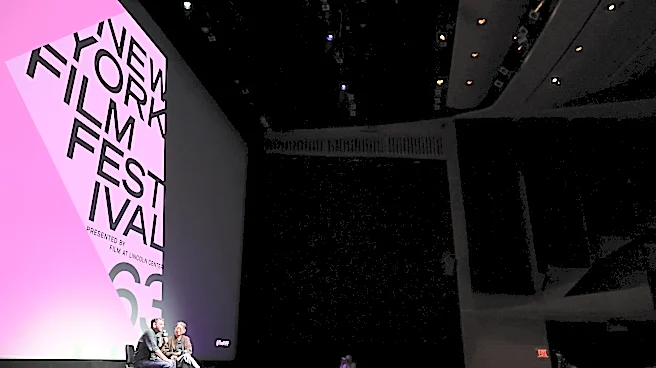
Penn State professor Boaz Dvir's critically acclaimed documentary, "To Kill a Nazi," is scheduled for a screening at the Centre Film Festival. The film will be shown on Friday at noon in Foster Auditorium at Paterno Library as an official selection. Dvir,
a professor at the Donald P. Bellisario College of Communications with 23 years in academia and 15 years in journalism, wrote, directed, and produced the documentary. Narrated by Jason Alexander, the film tells the story of Michel Cojot, a Frenchman who, while searching for the truth about his father's disappearance during World War II, becomes involved in the 1976 Entebbe raid. Since Cojot passed away in 1999, Dvir conducted interviews with 30 individuals connected to him and utilized prerecorded interviews to reconstruct the narrative. The film employs animation instead of physical reenactments to allow viewers to visualize the events. "To Kill a Nazi" premiered in June at Grauman's Chinese Theatre in Los Angeles and has since screened worldwide, with the Centre Film Festival marking its Pennsylvania premiere. Penn State students, faculty, and administration significantly contributed to the film's production, including the creation of its soundtrack.
Why It's Important?
The screening of "To Kill a Nazi" at the Centre Film Festival is significant for several reasons. For the academic community, it highlights the impactful work being produced by university faculty, showcasing how scholarly expertise can translate into compelling public narratives. The film's focus on the 1976 Entebbe raid, a pivotal moment in history involving a daring hostage rescue, offers a unique perspective on historical events and their personal tolls. The use of animation as a storytelling device in a documentary is an innovative approach that could influence future documentary filmmaking techniques, particularly when dealing with sensitive or un-reenactable historical events. Furthermore, the involvement of Penn State students in the film's production underscores the practical learning opportunities available within academic institutions, bridging the gap between theoretical knowledge and professional application in the film industry.
What's Next?
Following its Pennsylvania premiere at the Centre Film Festival, "To Kill a Nazi" will likely continue its festival circuit, potentially gaining further critical acclaim and wider distribution. The film's success could lead to increased recognition for Professor Dvir and the Donald P. Bellisario College of Communications, attracting more students interested in documentary filmmaking and historical storytelling. The film's narrative, which intertwines personal history with a major international event, may also spark broader discussions about historical memory, the impact of conflict, and the role of individuals in shaping historical outcomes. Future screenings and educational outreach efforts could further amplify the film's message and its historical significance.
Beyond the Headlines
Beyond its immediate impact as a film, "To Kill a Nazi" delves into profound themes of justice, memory, and the long-lasting effects of historical trauma. The story of Michel Cojot's quest for truth about his father's disappearance and his subsequent involvement in the Entebbe raid highlights the interconnectedness of personal and global histories. The documentary's approach to reconstructing a narrative through interviews and animation, rather than direct reenactment, raises questions about the ethics and methodologies of historical representation in film. It also underscores the power of individual stories to illuminate larger historical contexts, offering a human-centered perspective on events that often feel distant or abstract. The film's exploration of a son's pursuit of justice for his father's fate during World War II, culminating in an unexpected role in a hostage rescue, speaks to the enduring human desire for accountability and closure.