




What's Happening?
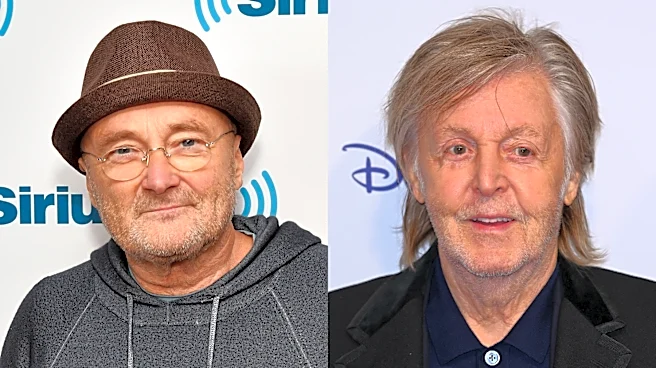
Phil Collins, the 75-year-old Genesis frontman, has publicly expressed regret over a two-decade-long feud with Paul McCartney. The conflict originated from an incident at the 2002 Queen's Jubilee Concert backstage at Buckingham Palace. Collins had brought
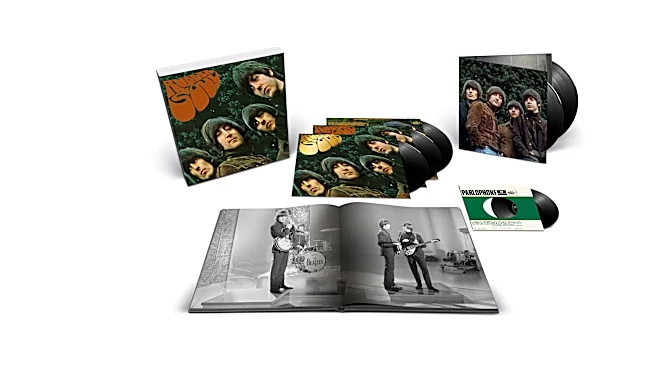
a rare first-edition copy of Hunter Davies' Beatles biography, hoping to get it autographed by McCartney. While McCartney agreed to sign the book, he reportedly made a comment, accompanied by his then-wife Heather Mills, stating, 'He's a big Beatle fan, is our little Phil.' Collins found this remark patronizing and was deeply offended, leading to a prolonged period of tension between the two musicians. Despite previous collaborations, including Collins playing on one of McCartney's solo albums and presenting him with an award, the comment created a significant rift. Collins detailed this encounter in his 2016 memoir, 'Not Dead Yet,' which prompted McCartney to reach out via email at the time, though Collins did not reply.
Why It's Important?
This reconciliation between two iconic figures in music history highlights the lasting impact of personal interactions, even seemingly minor ones, on professional relationships. The feud, spanning two decades, underscores how perceived slights can fester and create long-term animosity, affecting not only the individuals involved but also their public personas and the broader music community. For fans, the resolution of such a high-profile disagreement can be seen as a positive development, potentially opening doors for future collaborations or at least fostering a more harmonious environment among music legends. It also serves as a reminder that even celebrated artists are susceptible to personal grievances and the complexities of human interaction, offering a relatable aspect to their otherwise larger-than-life images. The public nature of Collins' regret and McCartney's initiative to address the issue demonstrates a willingness to mend past wrongs, which can set a precedent for resolving conflicts within the entertainment industry.
What's Next?
The recent phone call initiated by Paul McCartney, prompted by his learning that Collins was gathering music memorabilia for a King's Trust charity auction, led to the direct discussion and resolution of their long-standing conflict. Collins conveyed his regret over the fallout, and McCartney acknowledged the issue, indicating that the two artists have now put the grievance behind them. While no immediate collaborations or public appearances together have been announced, the mending of this two-decade rift suggests a potential for renewed cordiality. This resolution could pave the way for future interactions, whether personal or professional, between the two music legends. The focus now shifts to how this newfound understanding might influence their public relationship and whether it will lead to any joint ventures or public acknowledgments of their reconciliation.
Beyond the Headlines
The feud between Phil Collins and Paul McCartney, rooted in a seemingly innocuous comment, delves into deeper psychological and social dynamics within celebrity culture. The 'patronizing tone' perceived by Collins speaks to the sensitivities surrounding status, respect, and recognition among highly accomplished individuals. Even for artists of their stature, the need for validation and the sting of perceived condescension can be profound. This incident also highlights the role of public narrative and media in shaping and prolonging personal disputes, as Collins' memoir brought the private grievance into the public eye. The eventual resolution, initiated by McCartney and met with Collins' regret, underscores the importance of direct communication and empathy in overcoming long-held resentments, even years after the initial offense. It reflects a broader human tendency to seek closure and understanding, regardless of fame or fortune, and the desire for mutual respect in professional and personal spheres.