



What's Happening?
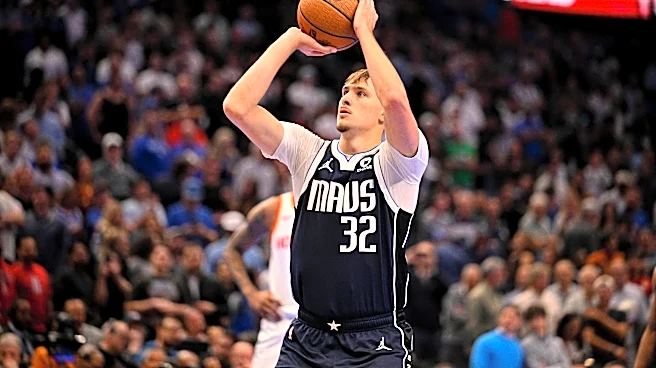
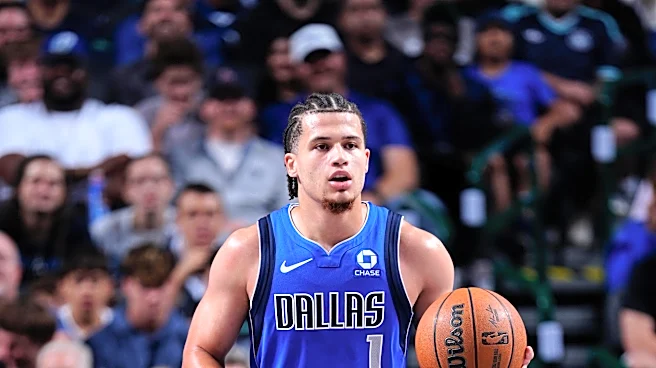
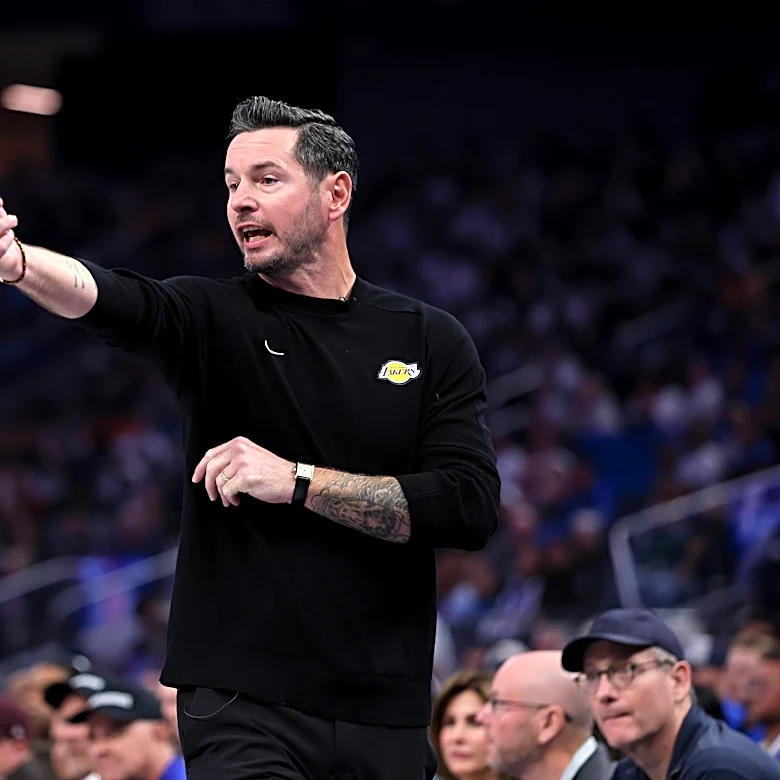
Former Dallas Mavericks head coach Jason Kidd has explained his decision to deploy rookie Cooper Flagg at point guard during the 2025-26 NBA season. Kidd, who coached the Mavericks before being succeeded by Dusty May, stated that the move was a deliberate
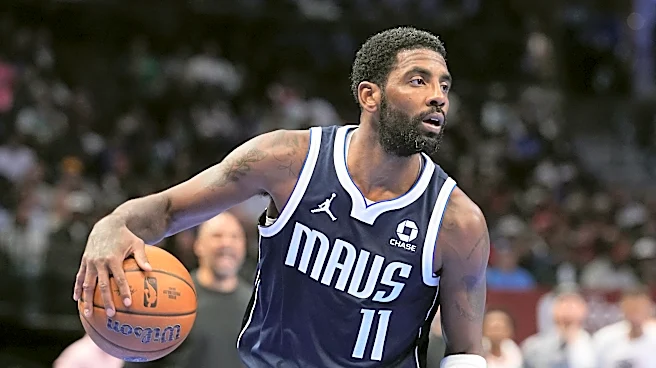
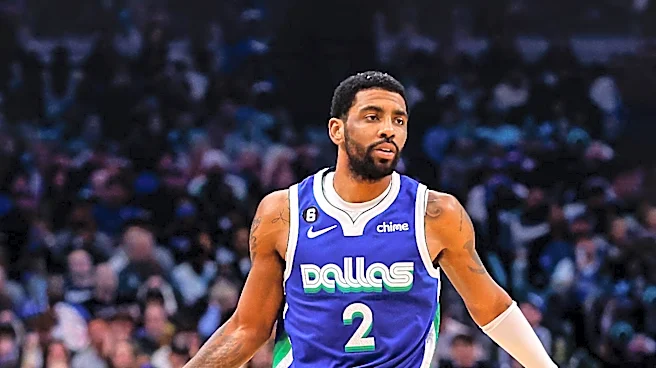
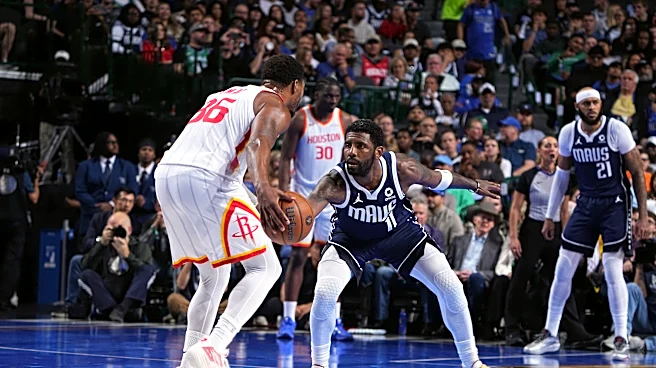
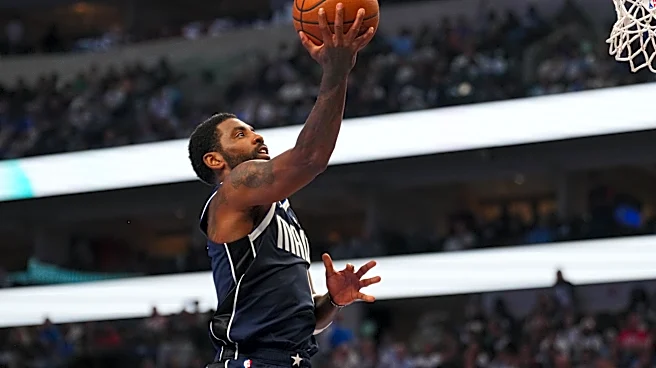
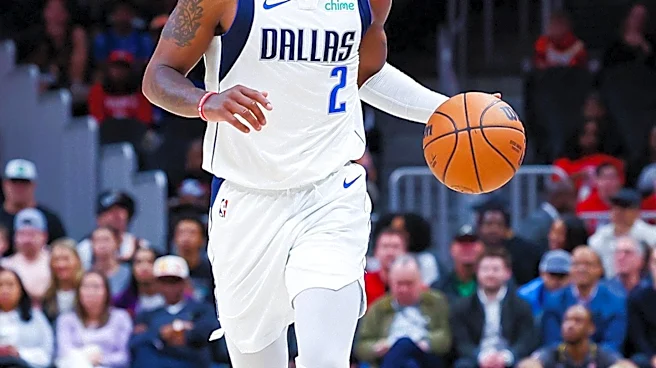
strategy to cultivate another reliable playmaker alongside Kyrie Irving. According to Kidd, the intention was to prepare Flagg for critical game situations, particularly in potential playoff or play-in scenarios where opposing teams might attempt to limit Irving's ball-handling opportunities. Kidd noted Flagg's advanced understanding of basketball at just 18 years old but also recognized that the rookie would face pressure from opponents. By giving Flagg significant ball-handling responsibilities, Kidd aimed to accelerate his development as a decision-maker and ball-handler, ensuring the team had multiple options for offensive initiation.
Why It's Important?
This strategic decision by former coach Jason Kidd highlights a proactive approach to player development within the NBA, particularly for high-potential rookies. By entrusting Cooper Flagg with point guard duties early in his career, the Mavericks aimed to build depth in playmaking, a crucial asset for any team with championship aspirations. The move underscores the increasing emphasis on versatile players who can handle the ball and make decisions under pressure, rather than strictly adhering to traditional positional roles. For the Mavericks, developing Flagg as a secondary playmaker could have provided a significant tactical advantage, reducing reliance on Kyrie Irving and making the team less predictable. This approach could also serve as a blueprint for other NBA franchises looking to maximize the potential of their young talent and build resilient rosters capable of adapting to various defensive schemes.
What's Next?
While Jason Kidd is no longer the head coach of the Dallas Mavericks, the impact of his developmental strategy for Cooper Flagg could still be felt. Flagg's experience as a point guard during his rookie season would have provided him with invaluable lessons in ball-handling, decision-making, and managing game pressure. This foundation could benefit his career trajectory, regardless of his primary position under future coaches. For the Mavericks, the long-term success of this developmental investment will depend on how Flagg continues to integrate these skills into his overall game. Future coaching staffs may choose to continue utilizing Flagg in a playmaking role or leverage his enhanced skills in other capacities, but the initial push to develop him as a point guard could prove to be a significant factor in his evolution as an NBA player.
Beyond the Headlines
The decision to use Cooper Flagg, an 18-year-old rookie, at point guard reflects a broader trend in modern basketball towards positionless play and the cultivation of multi-skilled athletes. This strategy challenges traditional notions of player roles and emphasizes adaptability and basketball IQ. It also highlights the increasing pressure on young players to quickly assimilate complex responsibilities. The move could have long-term implications for how NBA teams approach rookie development, particularly for highly touted prospects. By exposing Flagg to high-pressure playmaking situations early, the Mavericks aimed to accelerate his growth, potentially shaping him into a more complete and versatile player. This approach could influence future draft strategies and player development programs across the league, prioritizing players who demonstrate the capacity for diverse roles and rapid learning.