



What's Happening?
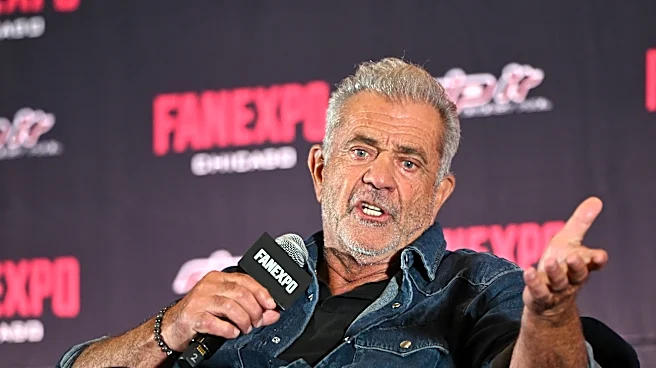
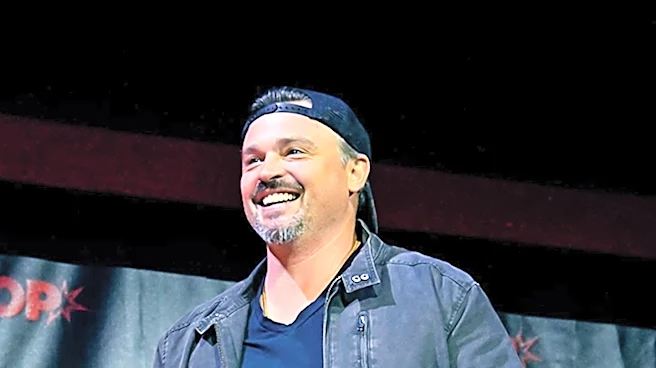
Actor and director Mel Gibson has issued an apology following a viral video that appeared to show him mocking an American Sign Language (ASL) interpreter. The incident occurred at Fan Expo Canada in Toronto over the weekend, where Gibson was seen mimicking
the interpreter's hand gestures behind her back. The video quickly garnered criticism on social media, prompting Gibson to release a statement to Deadline. In his apology, Gibson stated that there was no malicious intent behind his actions and expressed regret to anyone who was offended. He attributed the behavior to 'spontaneous thoughtless idiocy' that can occur when under the spotlight on stage. Gibson, who rose to fame in the late 1970s and became a major Hollywood star in the 1980s and 1990s with roles in franchises like 'Mad Max' and 'Lethal Weapon,' has had his career marked by several controversies, including antisemitic remarks made in 2006.
Why It's Important?
This incident highlights the ongoing scrutiny public figures face regarding their conduct, particularly concerning accessibility and respect for diverse communities. The swift and widespread criticism on social media underscores the public's increased awareness and intolerance for perceived mockery or disrespect towards individuals with disabilities or those who facilitate communication for them. For the deaf and hard-of-hearing community, ASL interpreters are crucial for inclusion and participation in public events. Any action that appears to belittle their role or the language itself can be deeply offensive and counterproductive to efforts promoting accessibility. For celebrities like Gibson, such controversies can further impact their public image and career, especially given his past history of controversial remarks. It also serves as a reminder to event organizers and public figures about the importance of fostering inclusive environments and being mindful of their actions in public settings.
What's Next?
Following his apology, the immediate next steps for Mel Gibson will likely involve observing public and industry reactions to his statement. The incident may lead to further discussions within the entertainment industry about the importance of disability awareness and sensitivity training for public figures participating in events. Event organizers, such as Fan Expo Canada, might review their protocols to ensure a more inclusive environment for all attendees and participants, including interpreters. There could also be continued dialogue on social media and in disability advocacy circles regarding the broader implications of such actions and the need for greater respect for ASL and the deaf community. Depending on the sustained public reaction, Gibson's future professional engagements could be influenced by how effectively his apology is received and whether he demonstrates a commitment to understanding and addressing the concerns raised.
Beyond the Headlines
Beyond the immediate controversy, this event touches upon deeper societal issues concerning the representation and treatment of individuals with disabilities. The act of mimicking an ASL interpreter, even if unintentional, can perpetuate harmful stereotypes and contribute to the marginalization of the deaf community. It underscores the persistent need for education and empathy regarding different forms of communication and the vital role interpreters play in bridging communication gaps. The incident also reflects the power of social media in holding public figures accountable and amplifying the voices of marginalized communities. In a broader sense, it contributes to the ongoing conversation about cancel culture and the balance between public forgiveness and accountability for past and present actions, especially for individuals with a history of controversial behavior. This event serves as a cultural touchstone, prompting reflection on how society values and respects diverse forms of expression and communication.